The Blue World of Ice
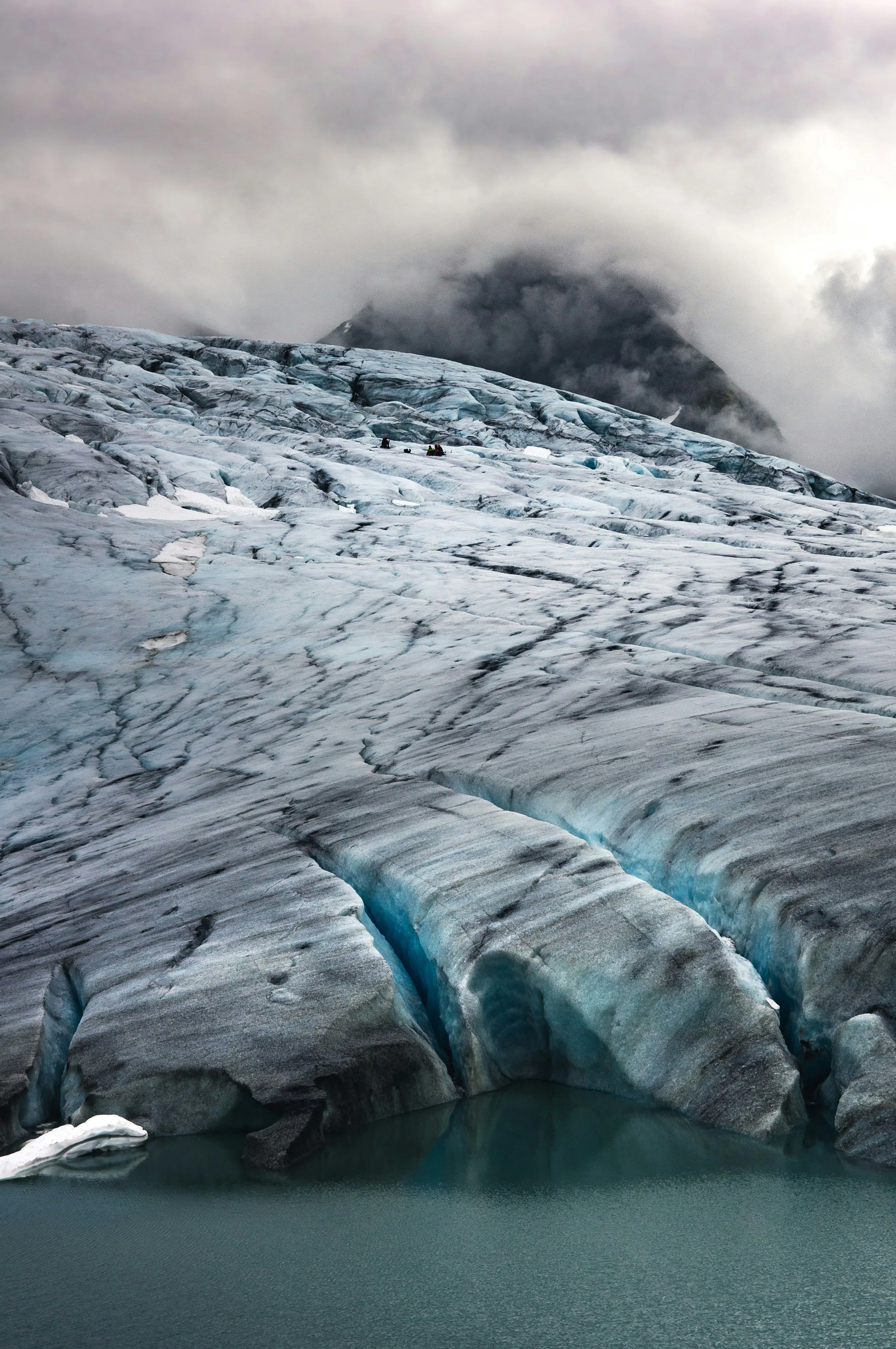
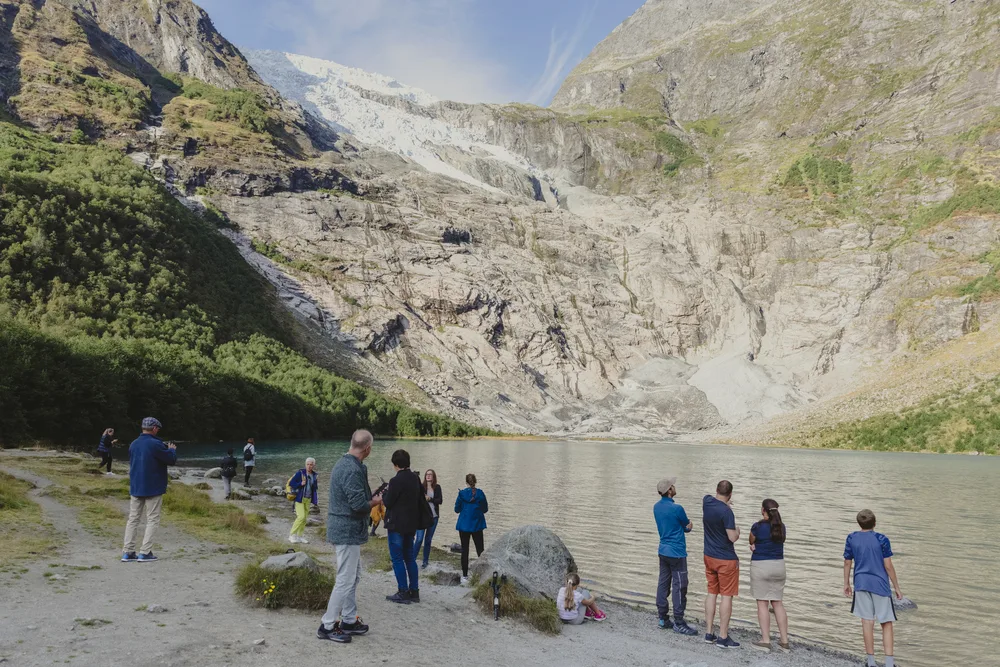
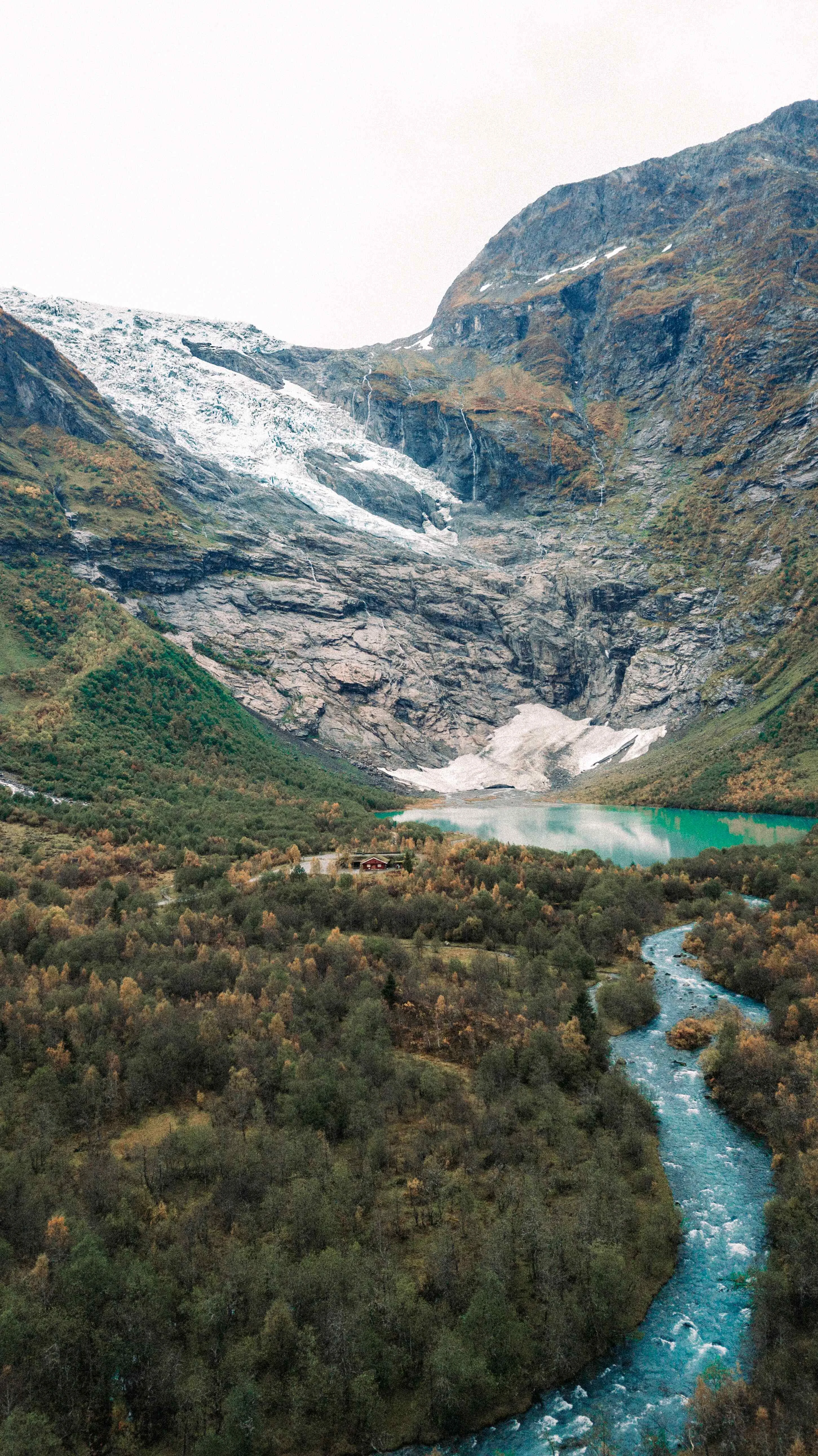
The two glaciers by Fjærland are branches of Jostedalsbreen, the largest glacier in all of Europe. Remarkably, there’s only a short distance between these ice giants and Fjærlandsfjorden, the nearby fjord.
As you arrive in Fjærland, you’ll notice a distinct difference in the landscape compared to the rest of western Norway. Vast flat areas lie between steep mountains, adorned with green, fertile fields formed by the moraine sediment left behind by the glacier. This rich soil has made Fjærland an ideal place for agriculture.
Quite a few of the 300 residents of Fjærland are working as dairy farmers, but glacier tourism has actually been going on here since the mid-1800’s. The people here know how magnificent but also potentially deadly the glacier can be. They have been guiding tourists safely into the gigantic, blue world of ice for decade after decade.
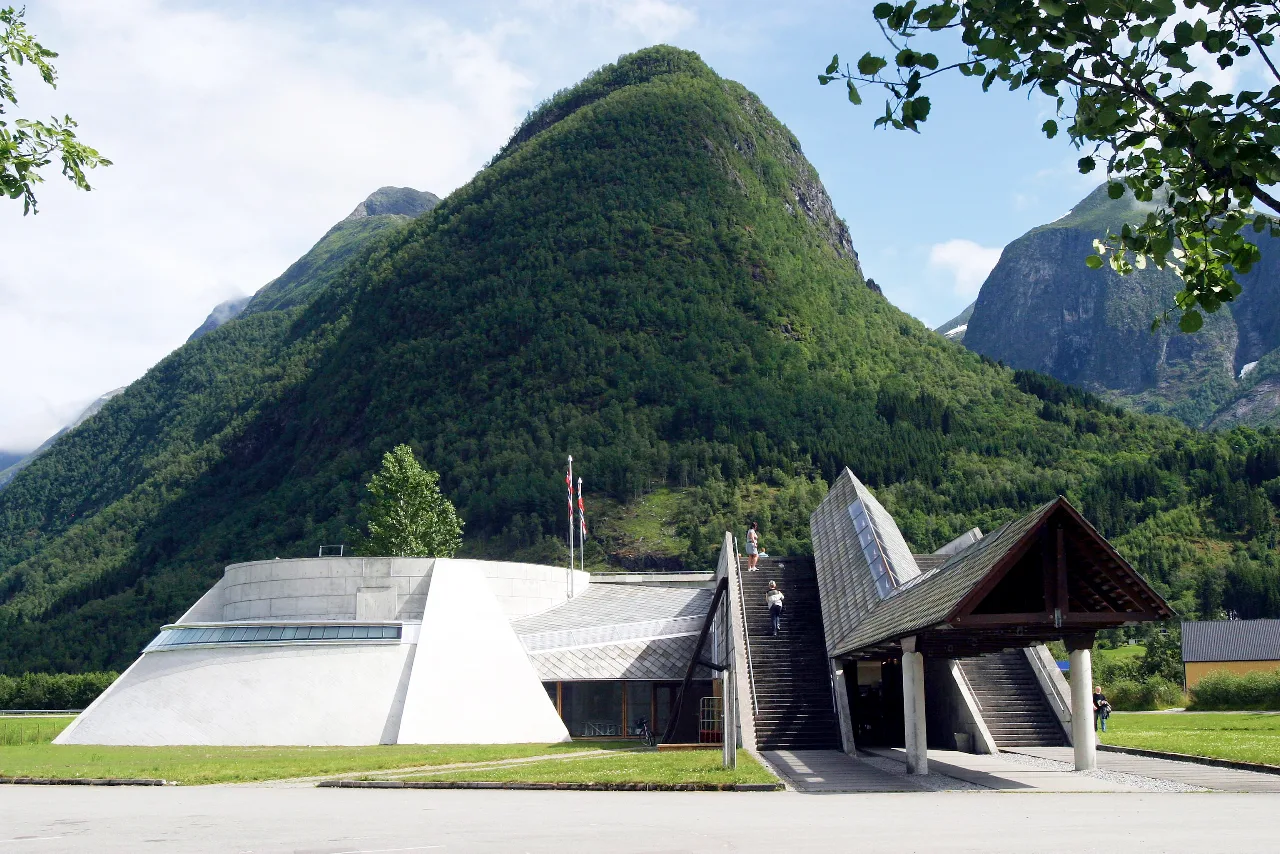
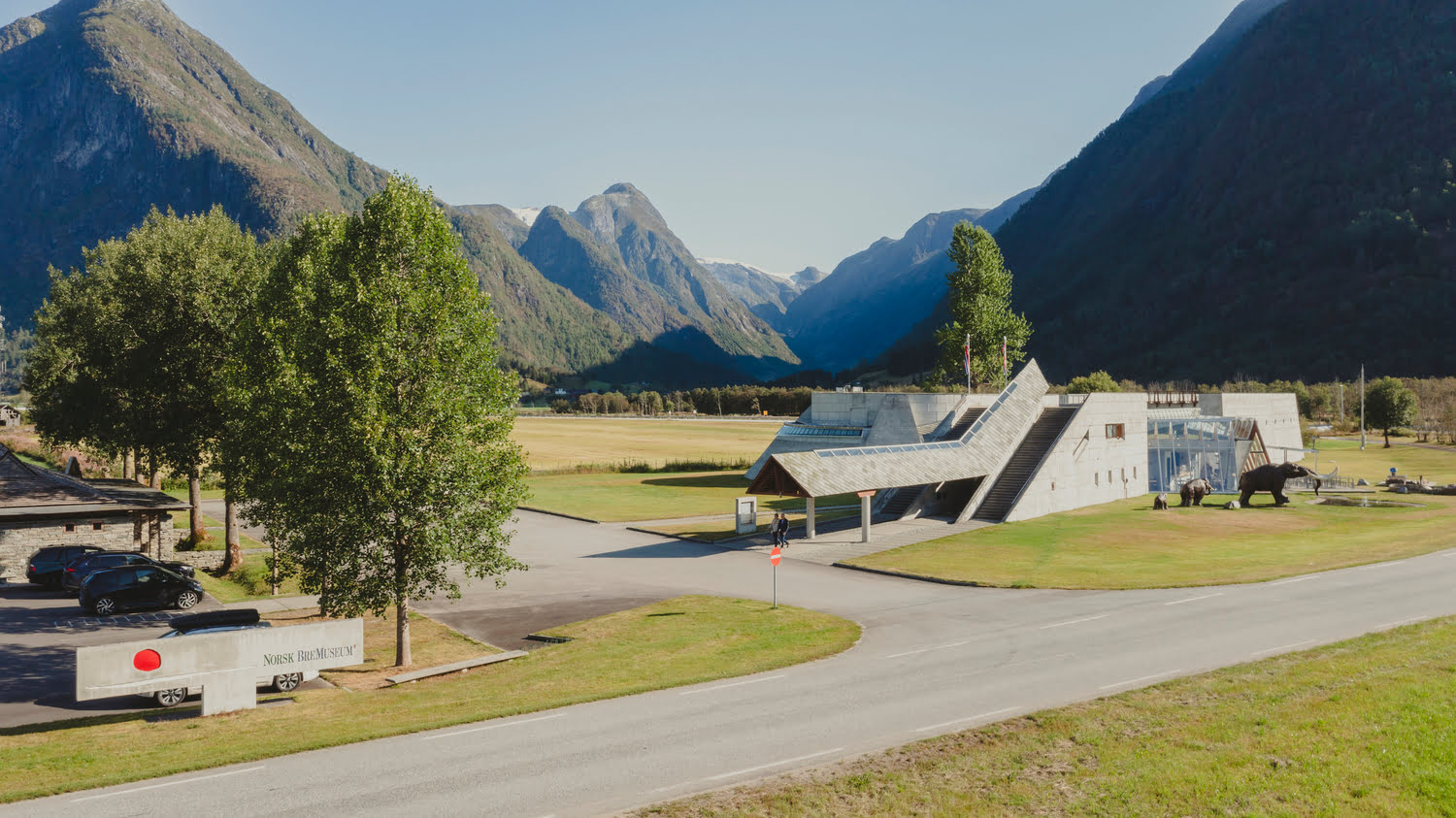
The Norwegian Glacier Museum is designed by the world famous architect Sverre Fehn. Photo: Terje Eggum
The Norwegian Glacier Museum is placed in Fjærland. Here, you can experience what it’s like to be within the glacier, learn about why the sediment from glacial meltwater gives the fjord its stunning green colour, experiment with glacier ice, and explore various aspects of climate change, given the shrinking glaciers and their serious consequences.