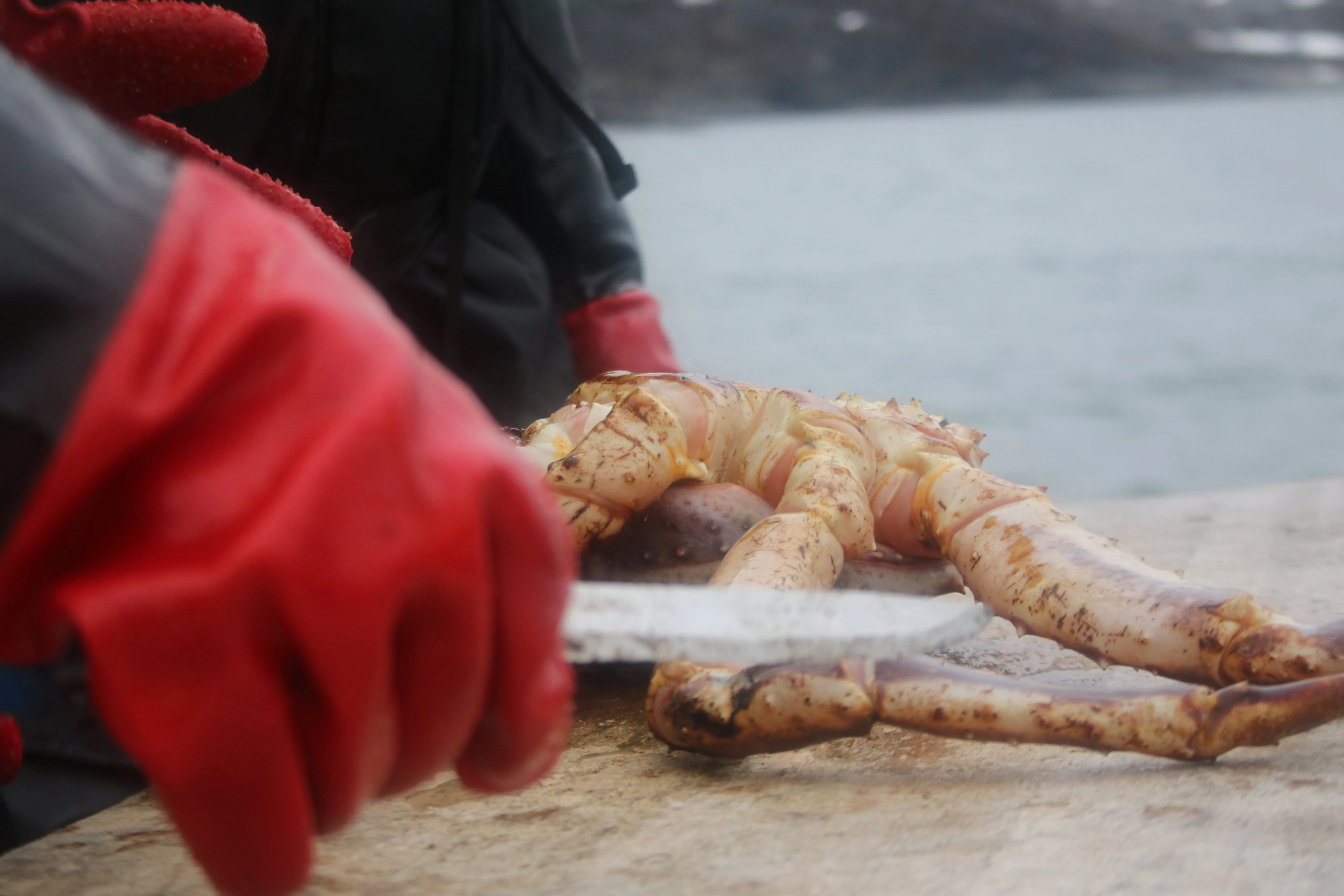
Established by Finnish settlers in the 1800s, Bugøynes is often referred to as “Little Finland” or Pykeijä, a nod to its Finnish roots. However, Bugøynes is not just a historical relic; it’s a vibrant community known for its king crab and sauna culture, where nature’s bounty and communal spirit define life.
Village Snapshot
Residents~180
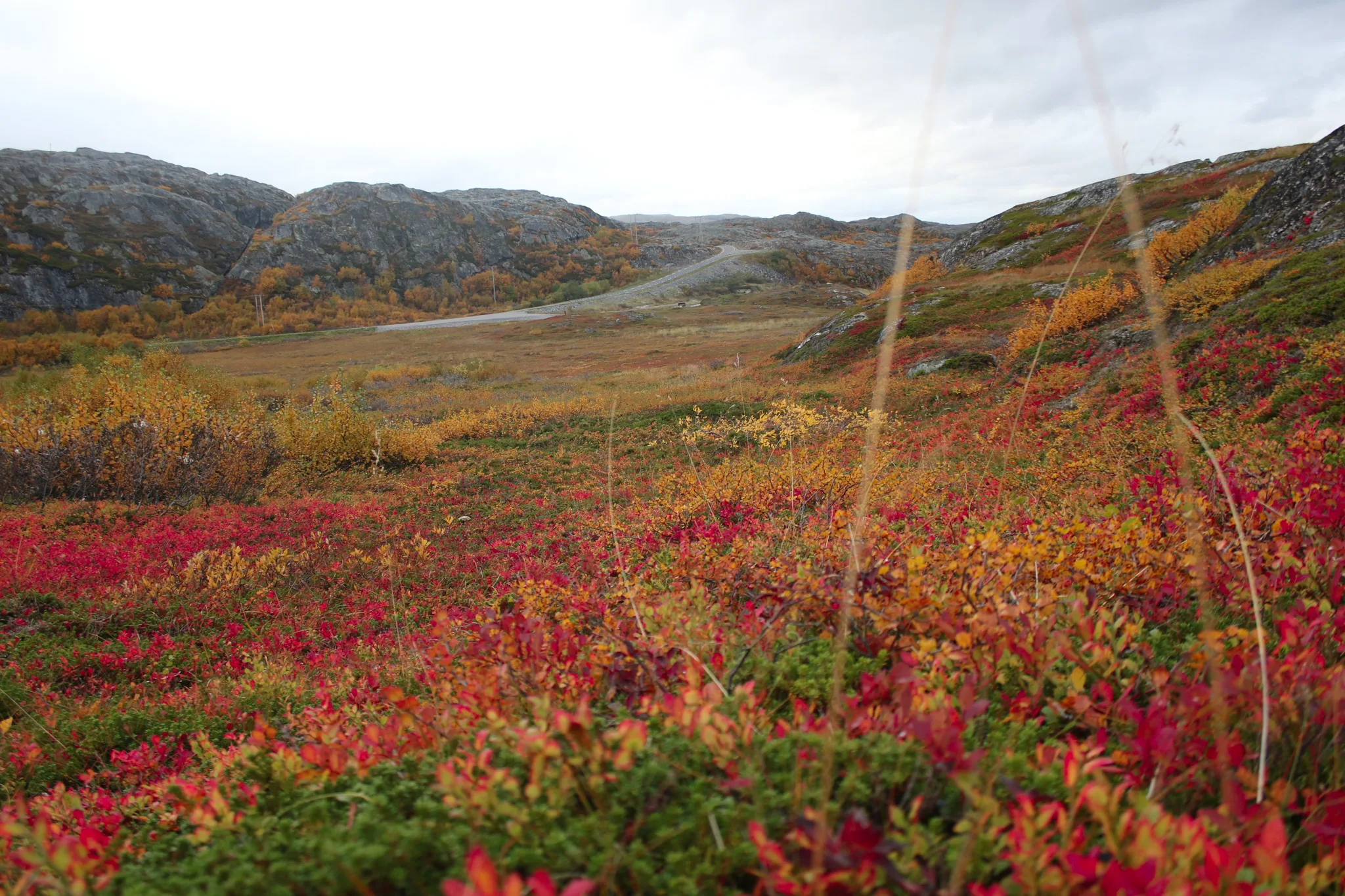
LandscapeArctic Fjord
RegionEast Finnmark
MunicipalitySør-Varanger
Nearest townKirkenes — 90 km
AirportKirkenes Høybuktmoen
Known forKing Crab & Finnish heritage
Nickname«Little Finland»
A Coastal Haven
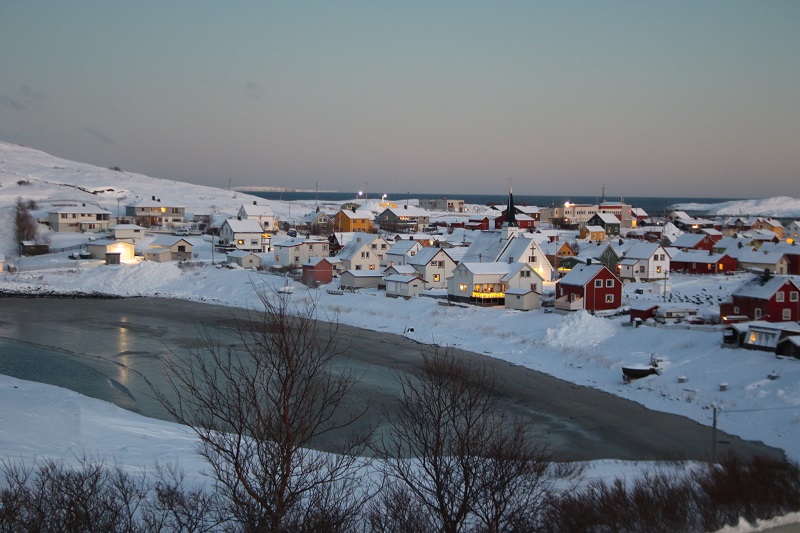
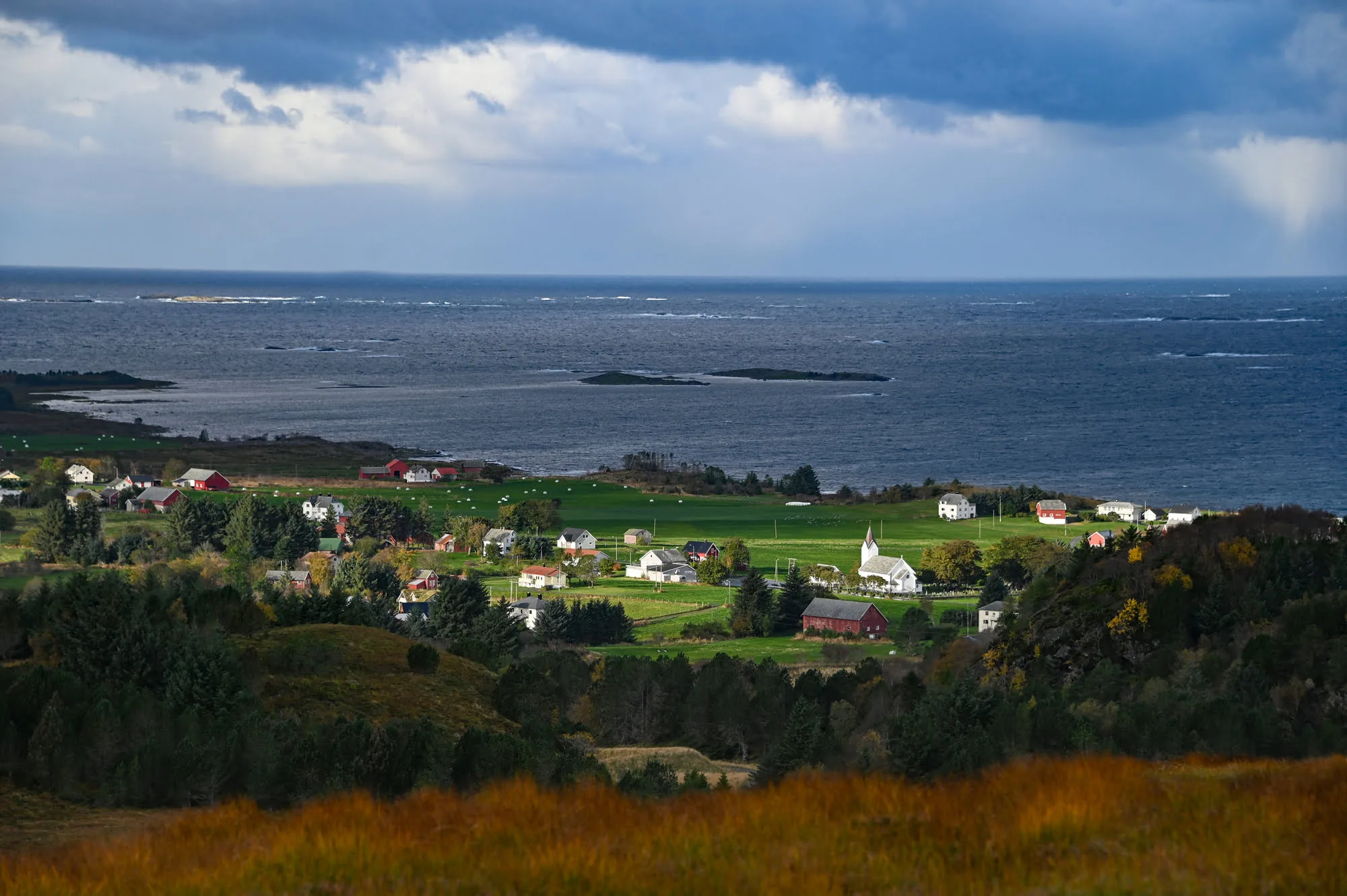
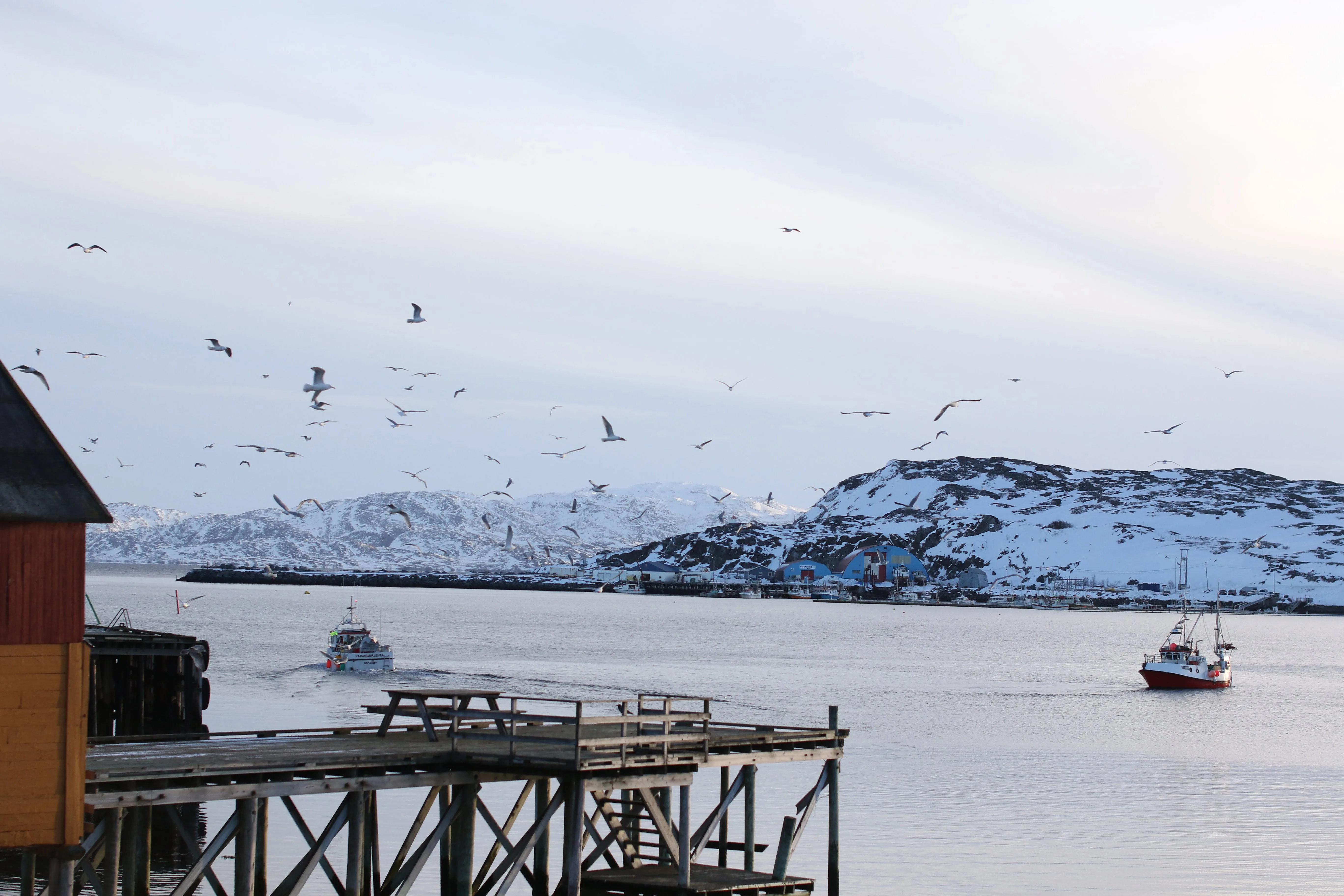
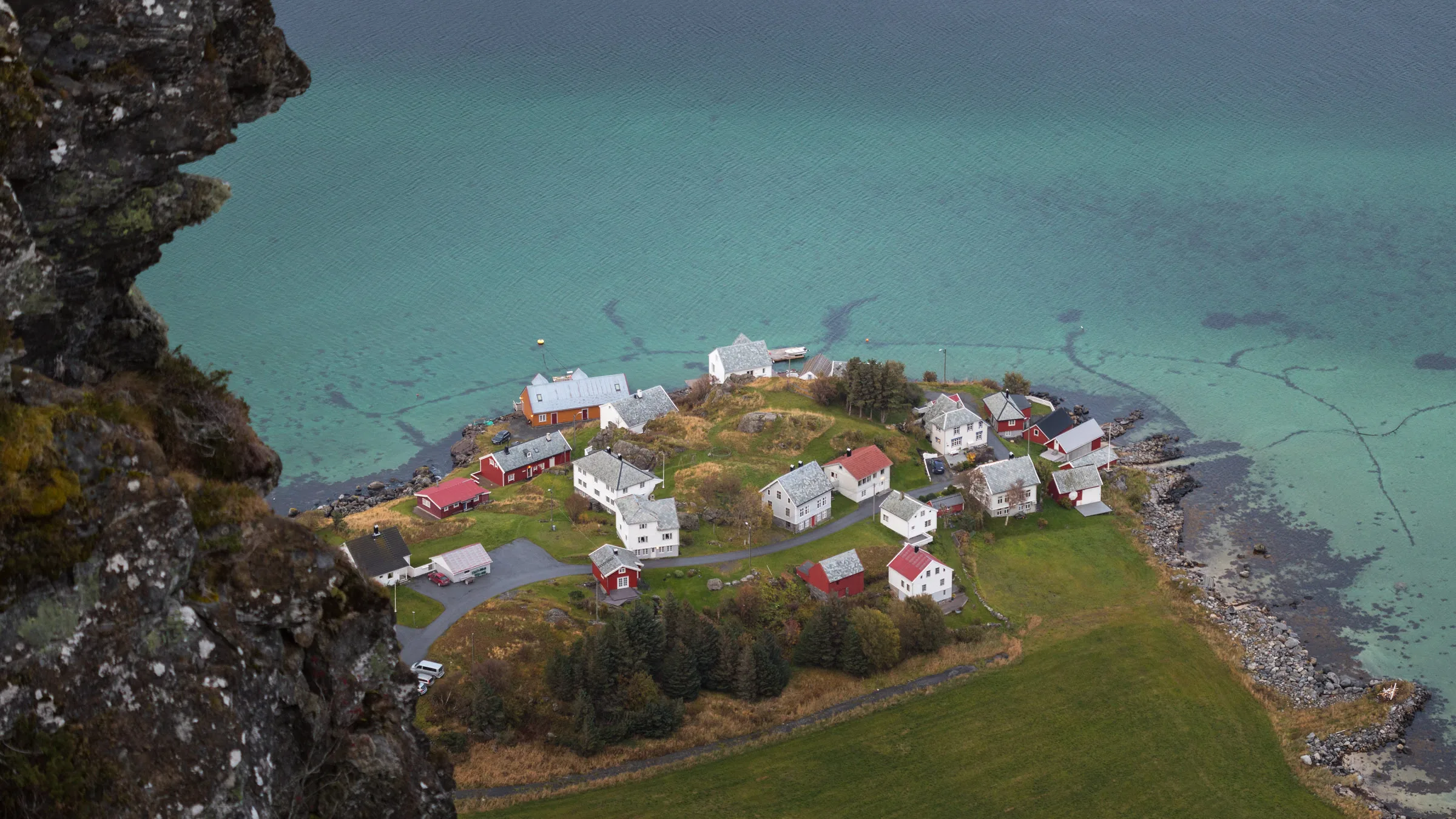
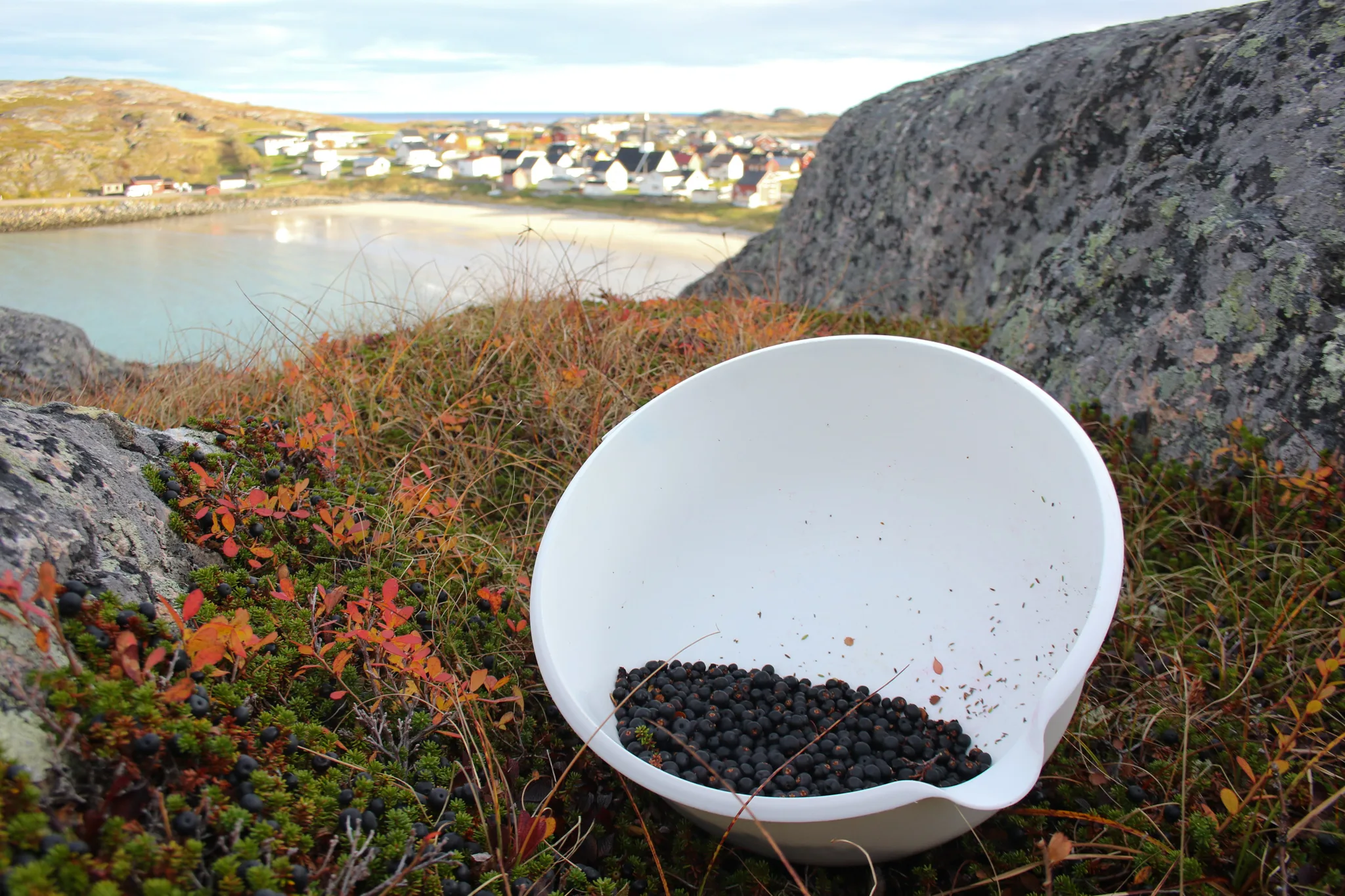
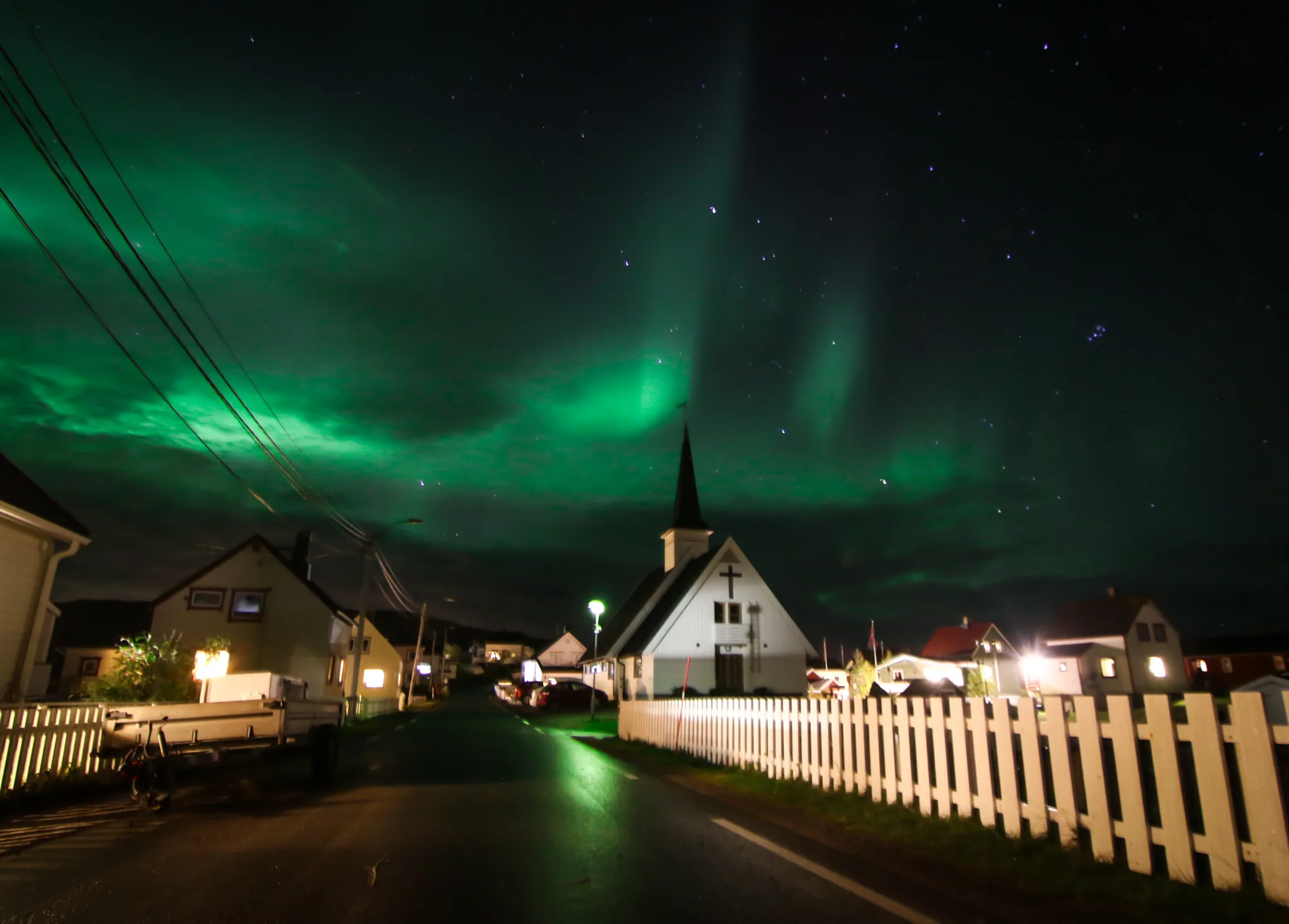
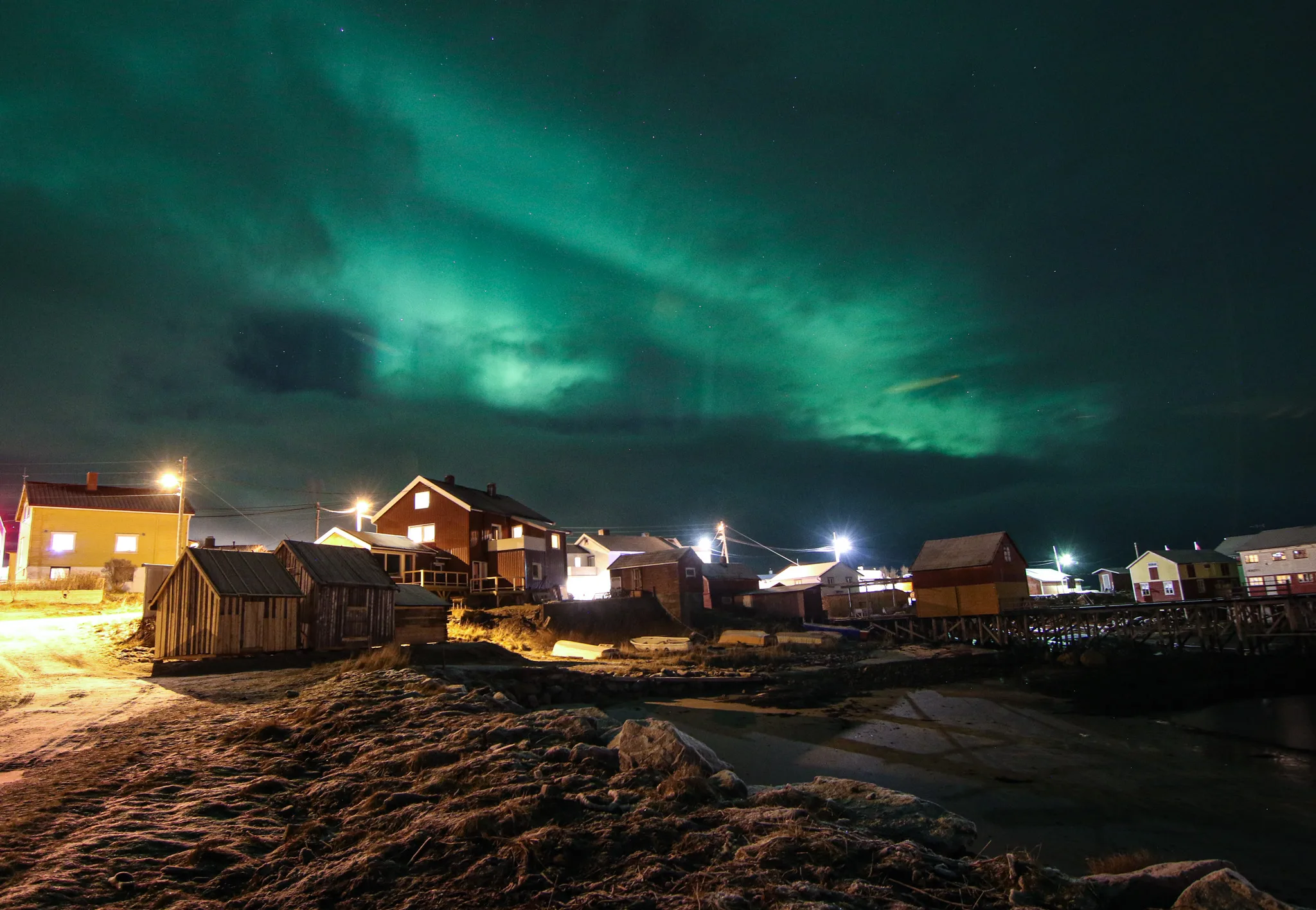
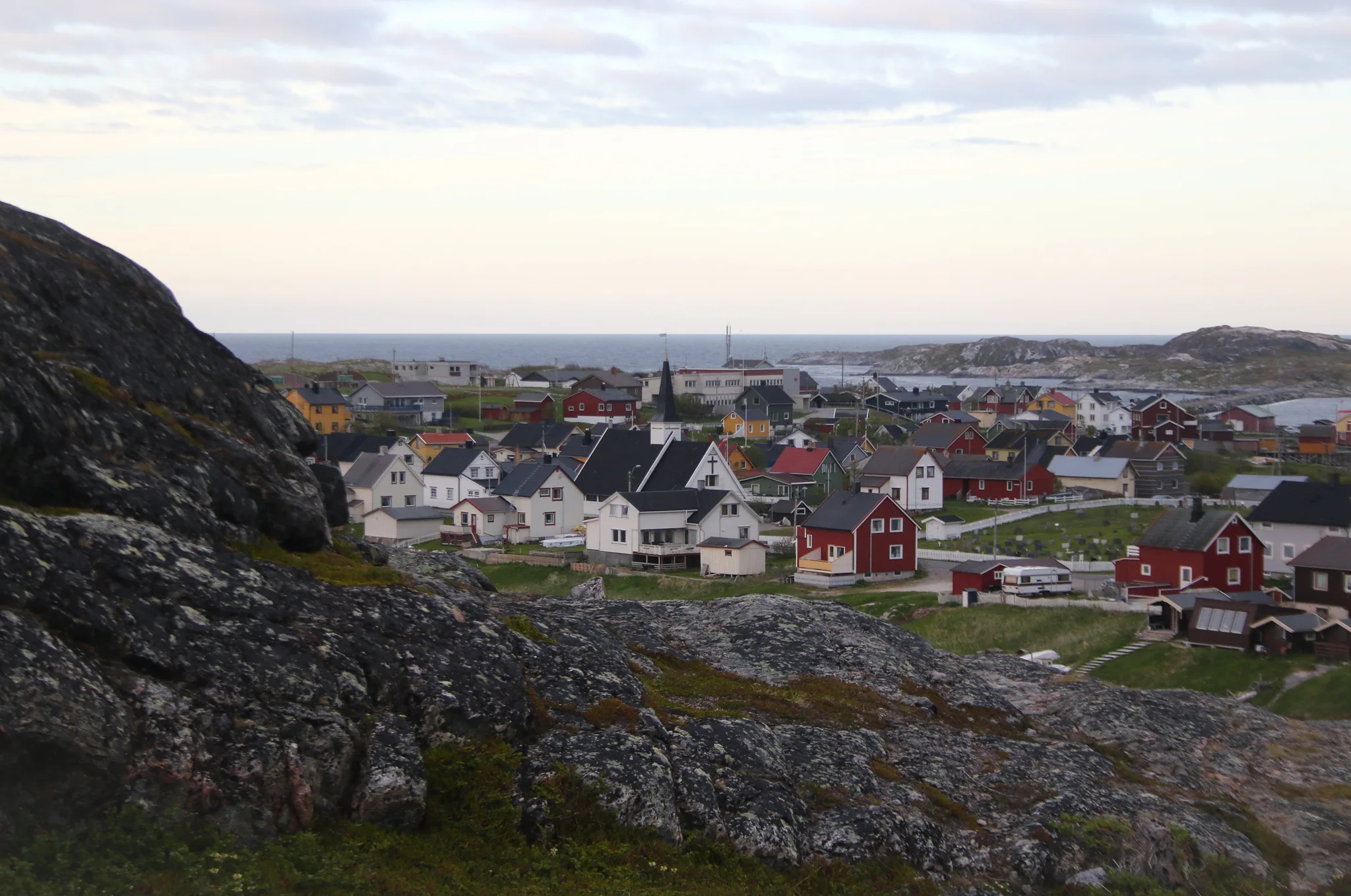
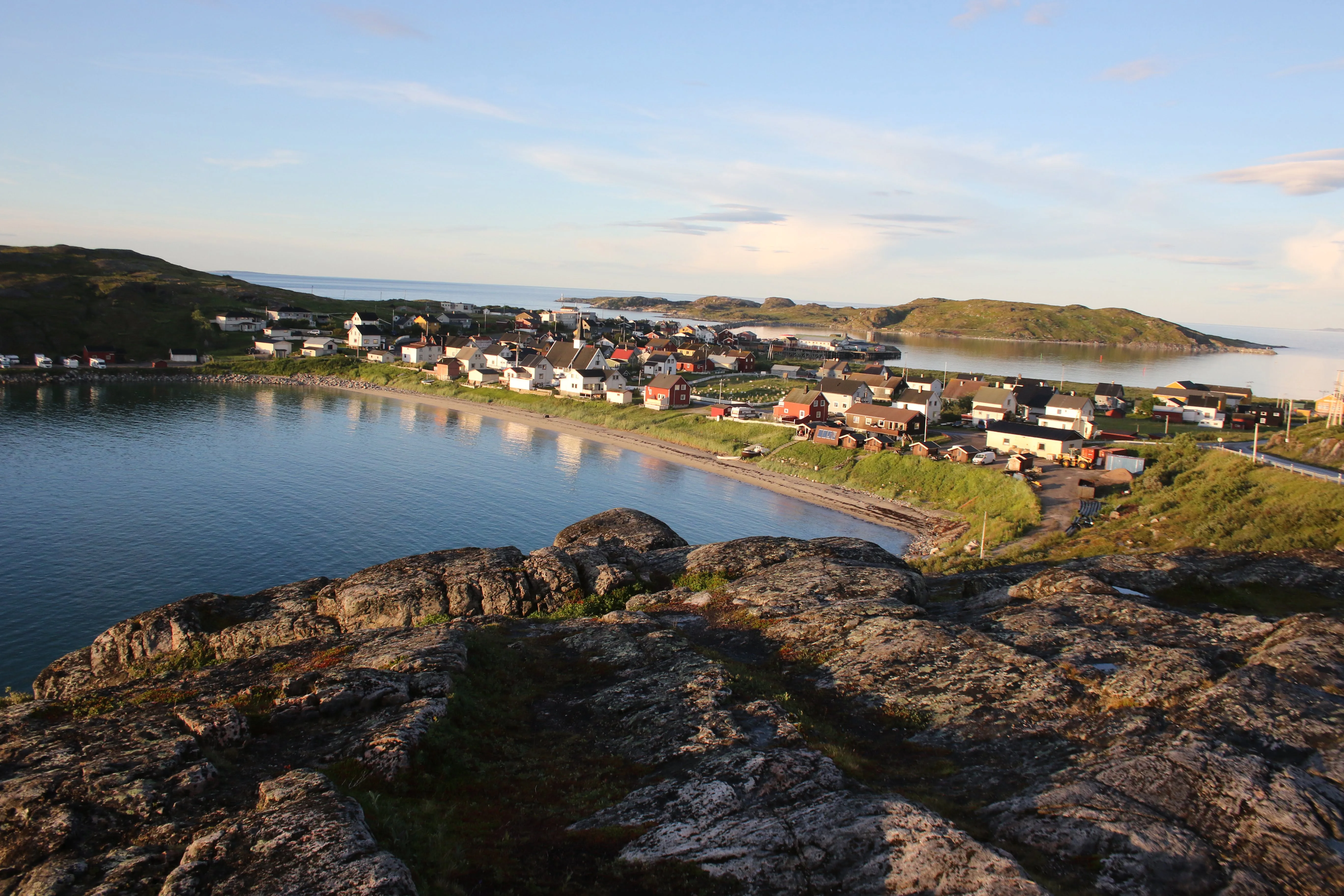
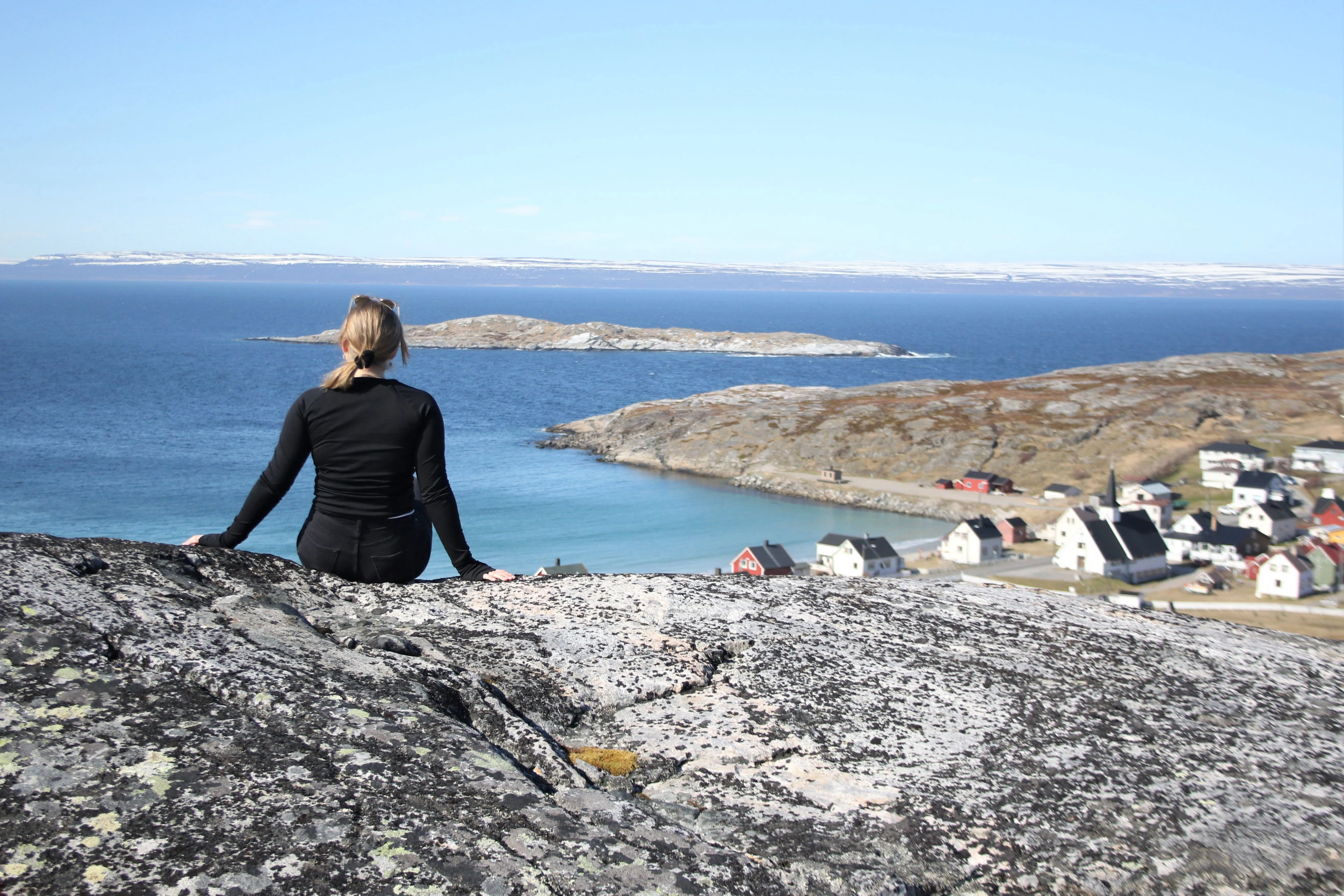
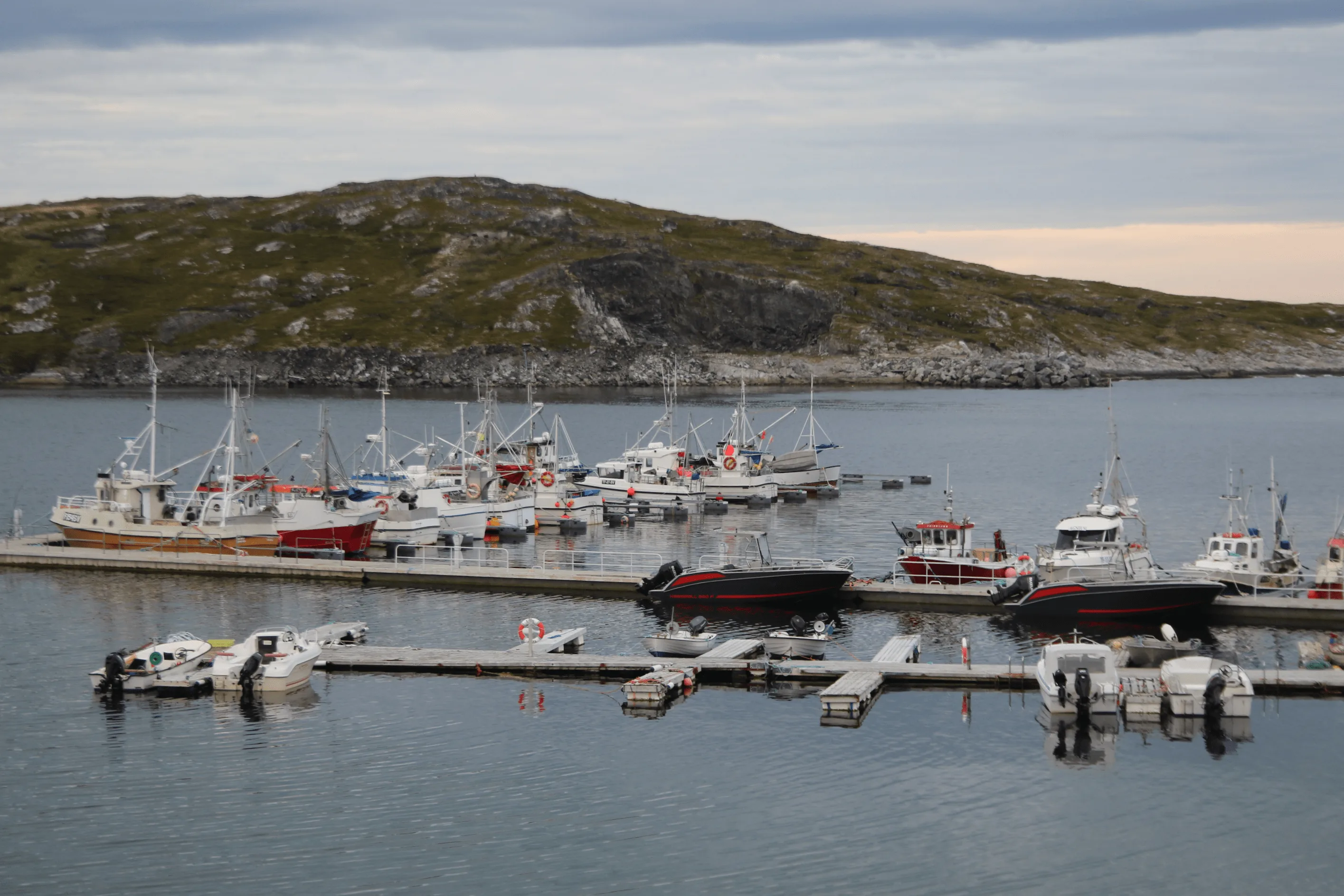
Bugøynes is a picturesque fishing village nestled along the glistening shores of Varangerfjord in northern Norway. The village has an intriguing history and a fresh present.
Bugøynes is the epitome of a secluded coastal village, home to a mere 180 residents, most of whom are descendants of Finnish immigrants.
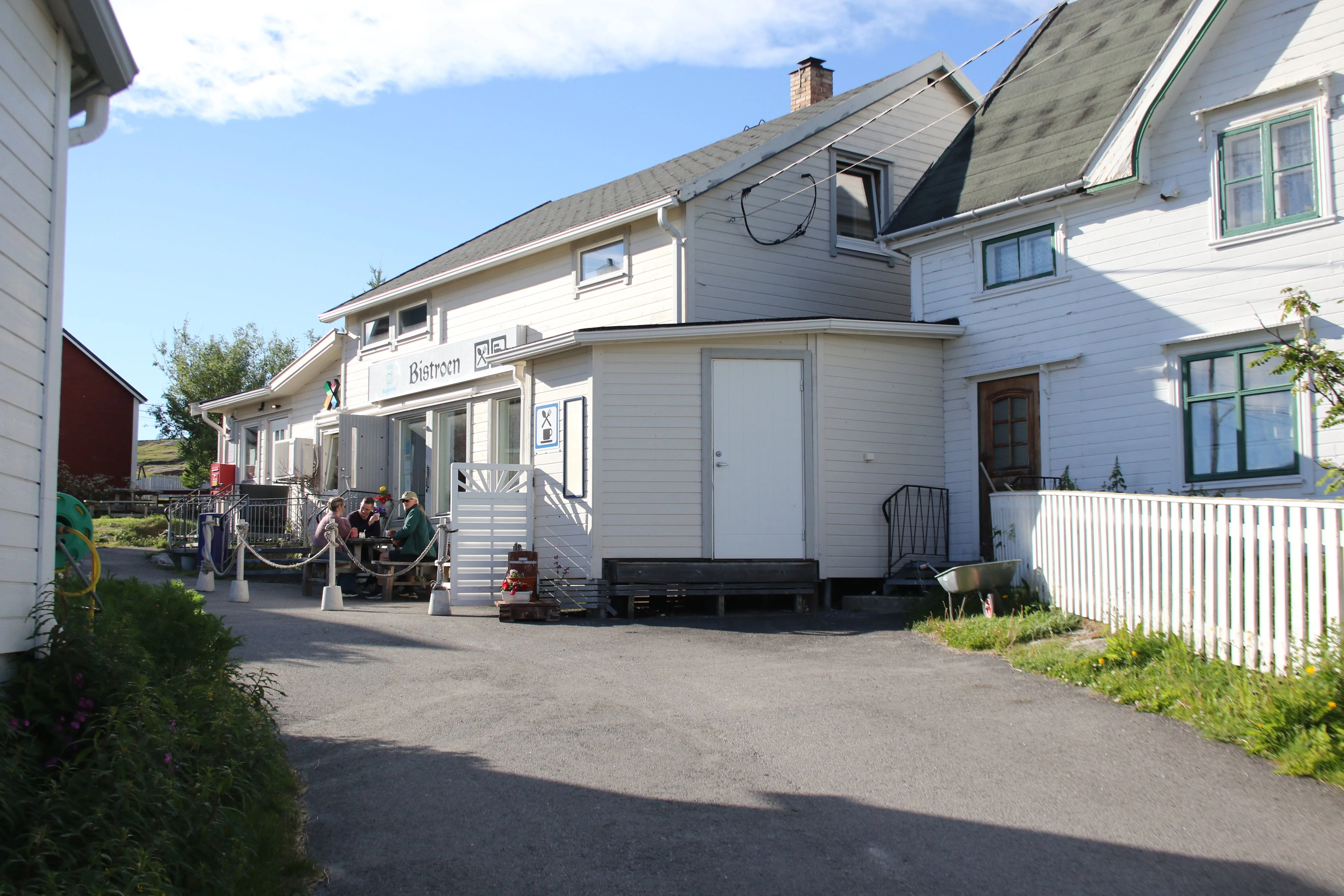
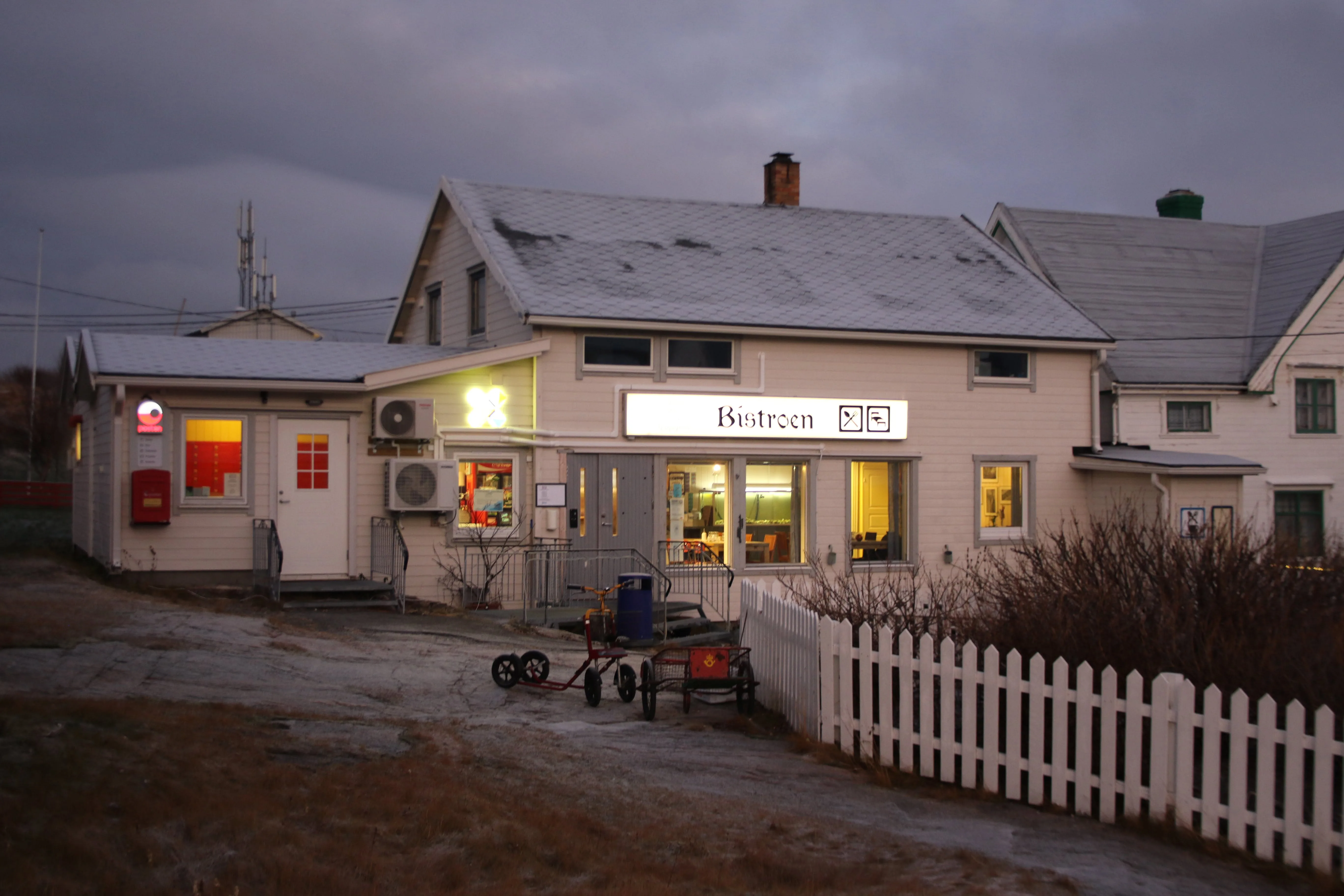
The village boasts essential amenities such as a grocery store, post office, bistro, kindergarten, school, and even a doctor’s reception on certain days. It’s a testament to the resilience of the community.
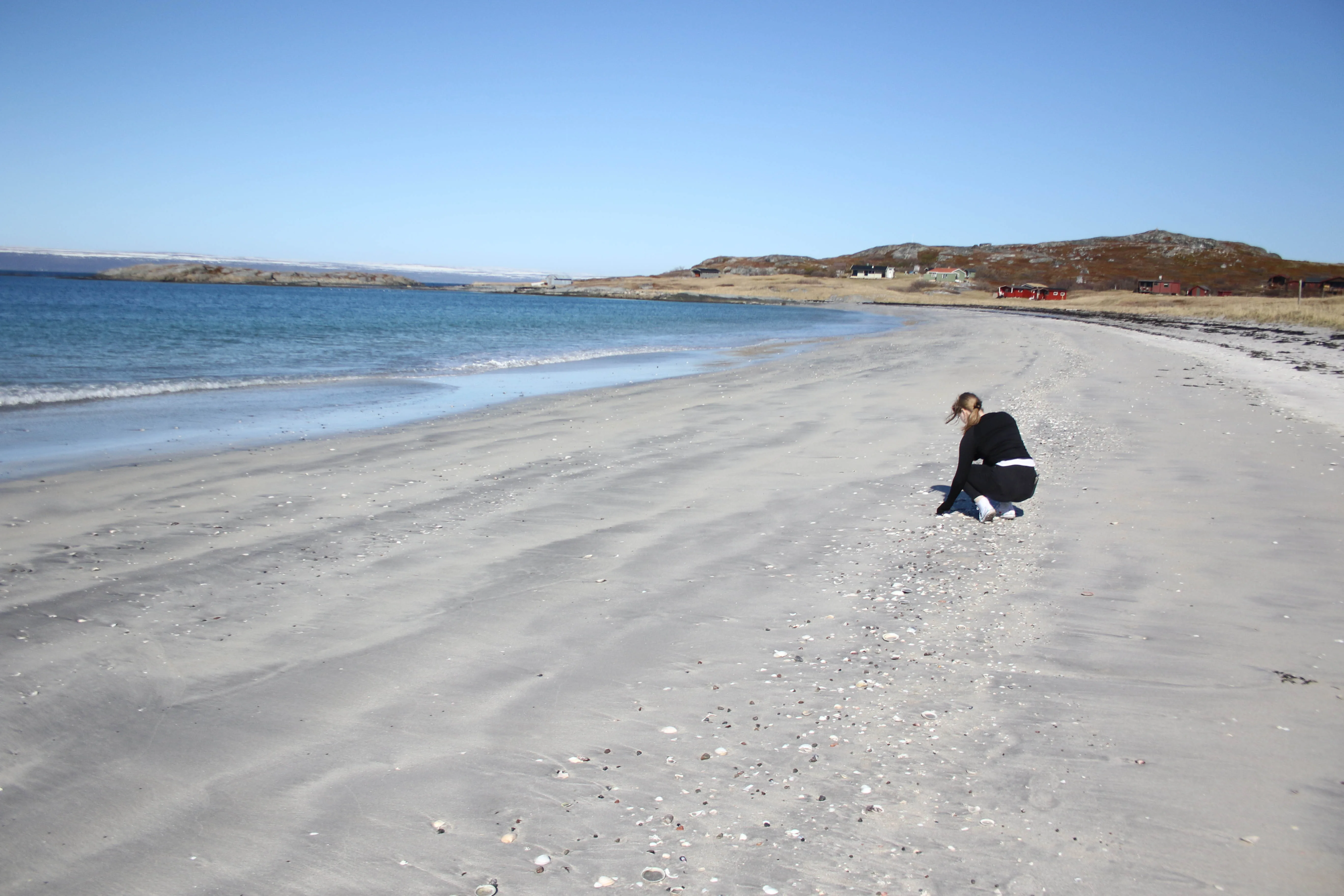
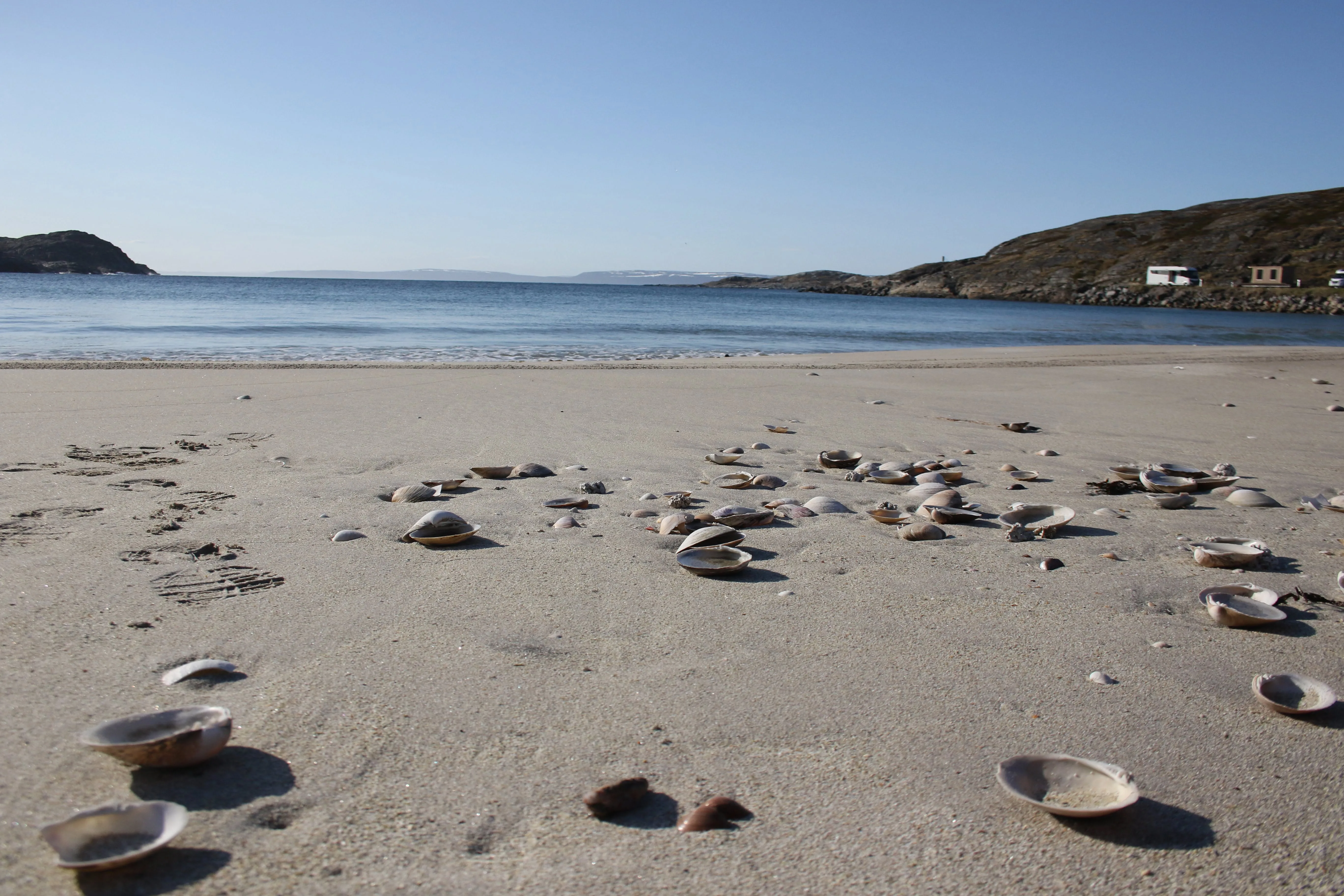
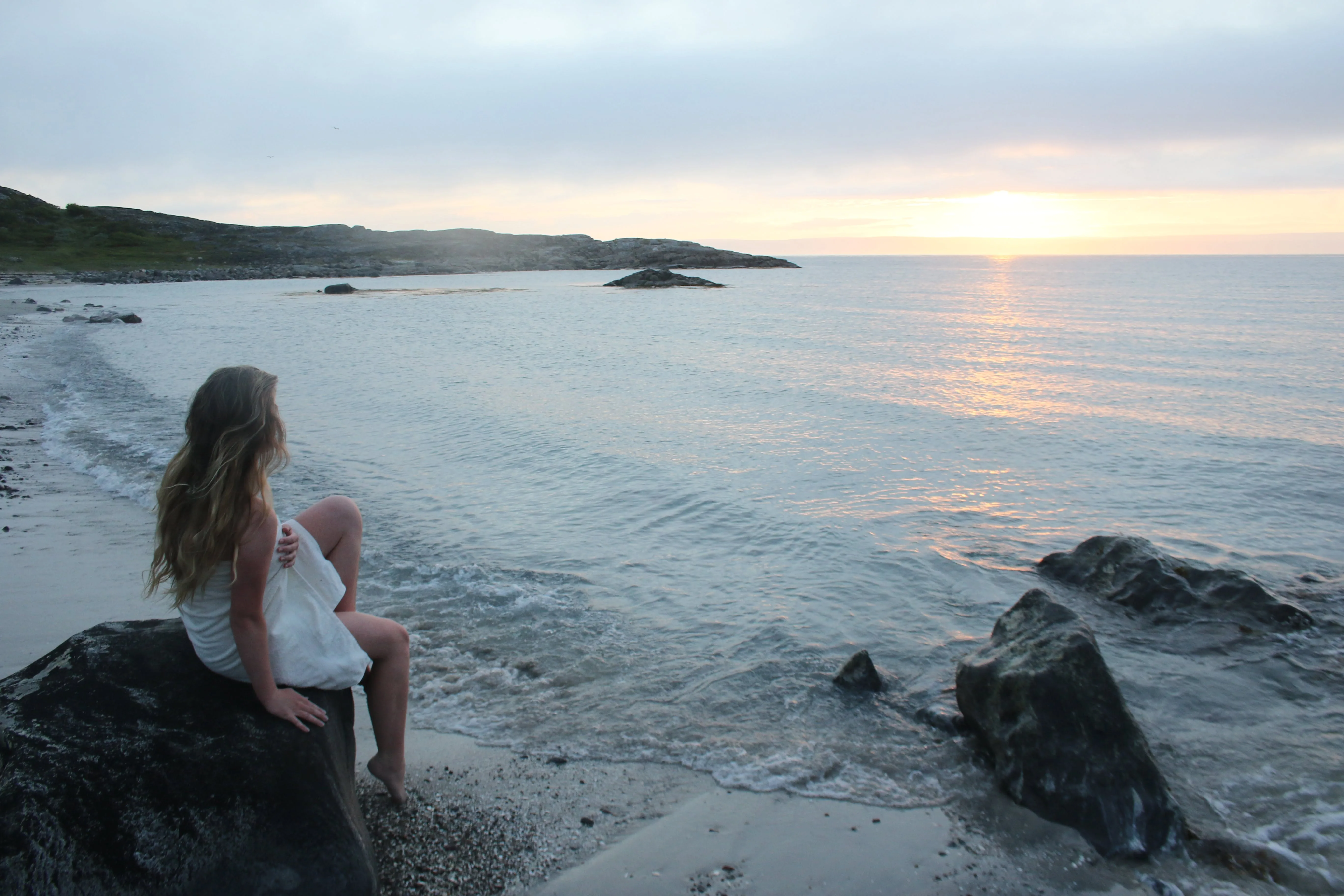
Bugøynes Beach is renowned for its breathtaking beauty and is a favorite spot for photographers. Here, you can collect seashells, immerse yourself in stunning scenery, or even take a daring plunge into the Arctic waters if you’re feeling adventurous. The village also features an outdoor gym with 11 different exercise devices, perfect for those looking to stay active.
A Unique History
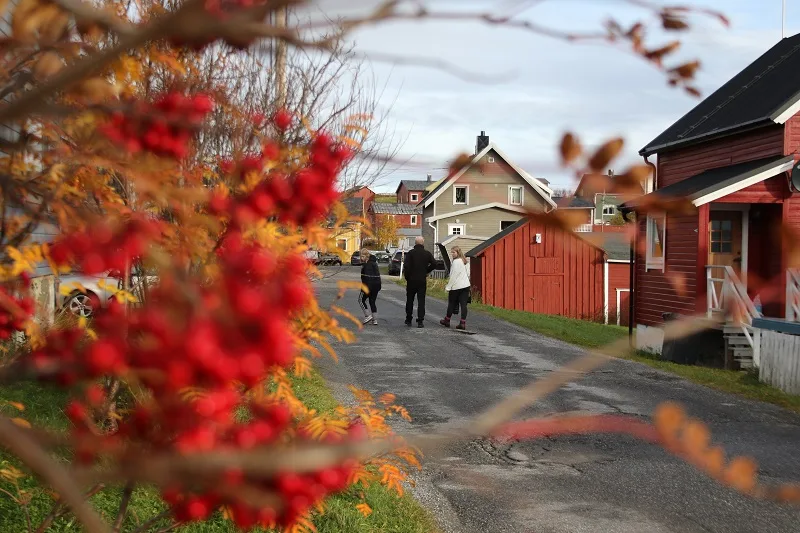
Bugøynes has a rich history that sets it apart. While Norwegians settled here in the 1700s, the village was abandoned at one point. It was reinvigorated by Finnish immigrants escaping poverty and famine in Finland during the 1800s. Bugøynes stands out as one of the few places in Finnmark not ravaged by World War II, preserving some of its original wooden houses from the 1800s. Additionally, the winding road leading to Bugøynes was only completed in 1962, making sea travel the primary connection to the outside world.
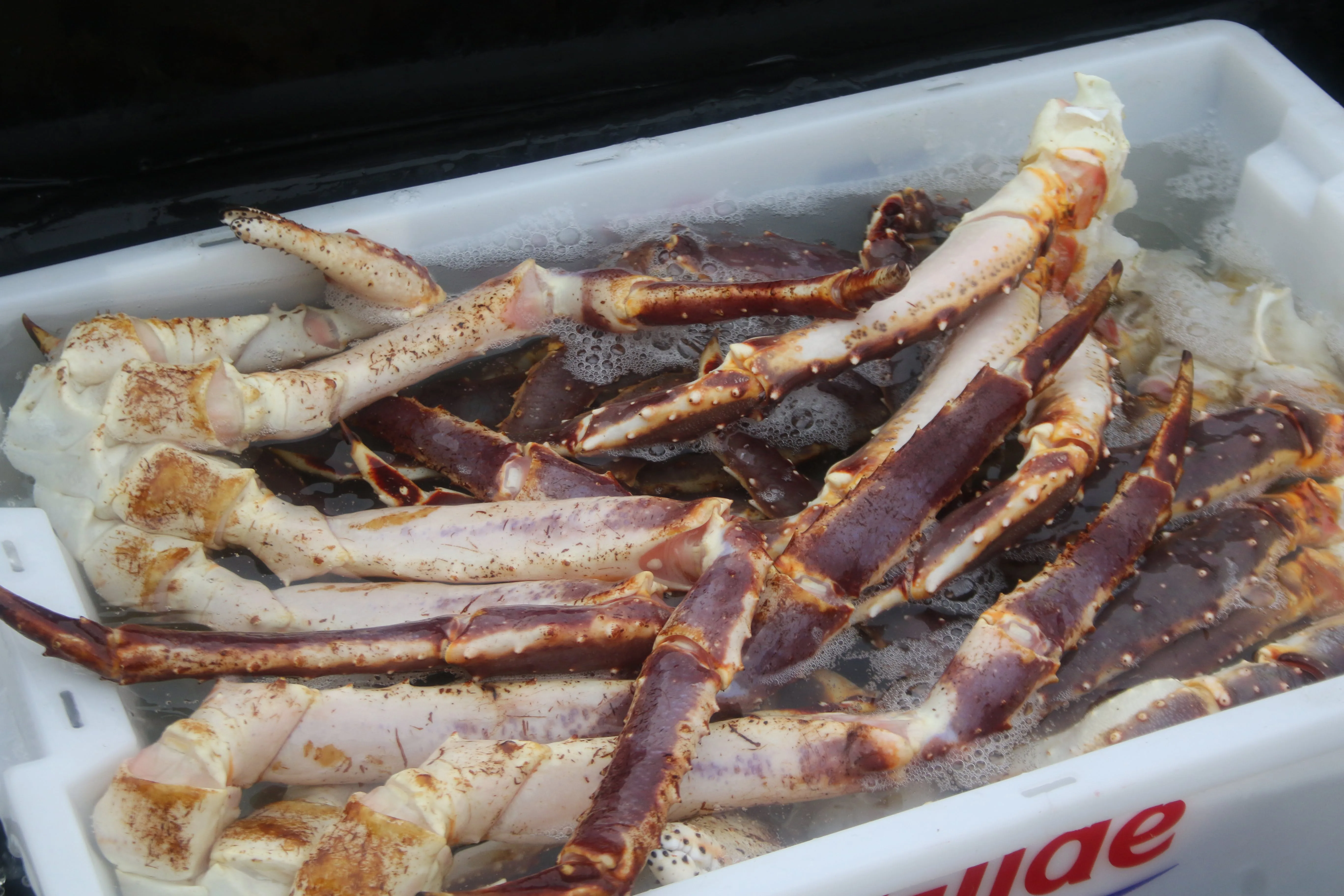
The late 1980s brought challenges as the fishing industry shifted elsewhere, leaving many villagers unemployed. But the arrival of the King Crab breathed new life to Bugøynes, securing its place in the present-day livelihood of its residents.
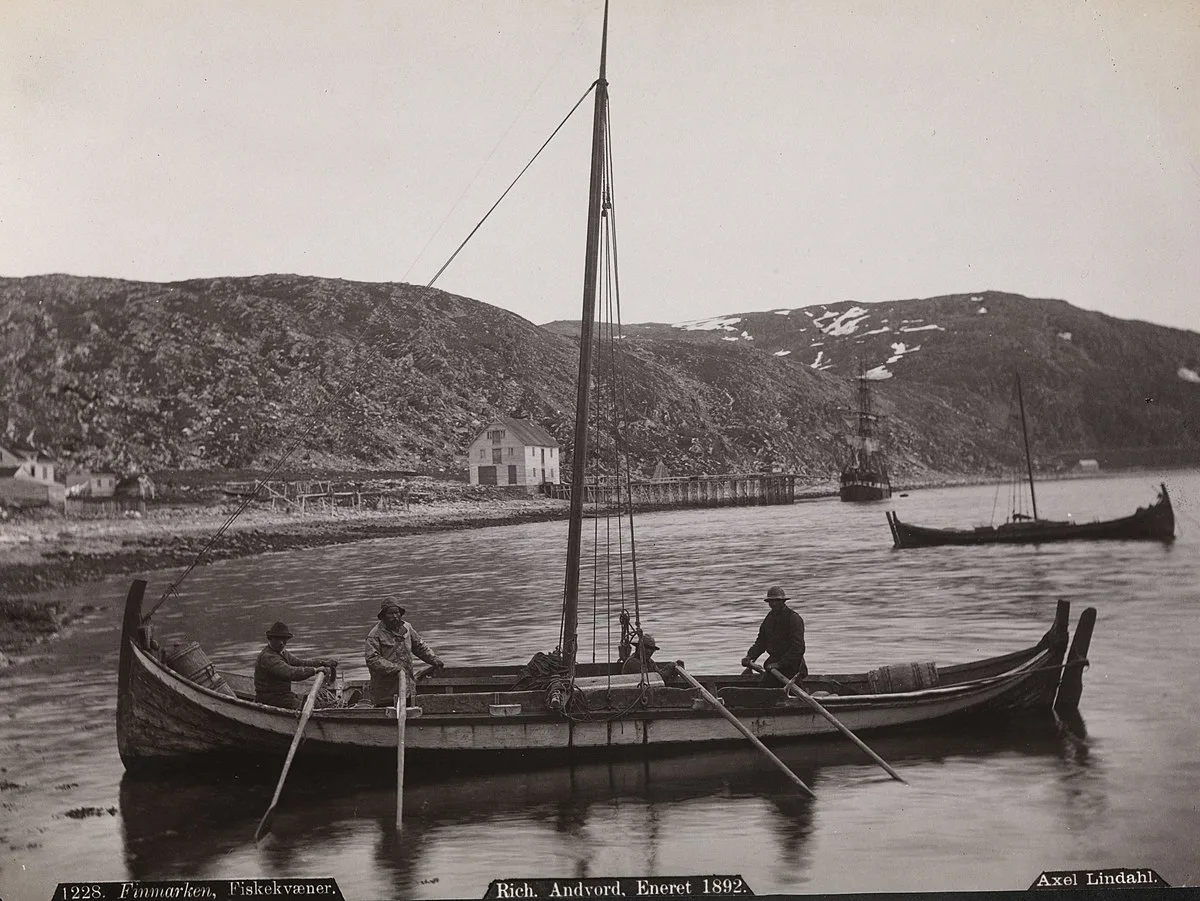
Kven fishermen in Finnmark, c. 1880–1890. Finnish immigrants were drawn to the rich fishing waters of the Varangerfjord. Photo: Axel Lindahl / Nasjonalbiblioteket (public domain)
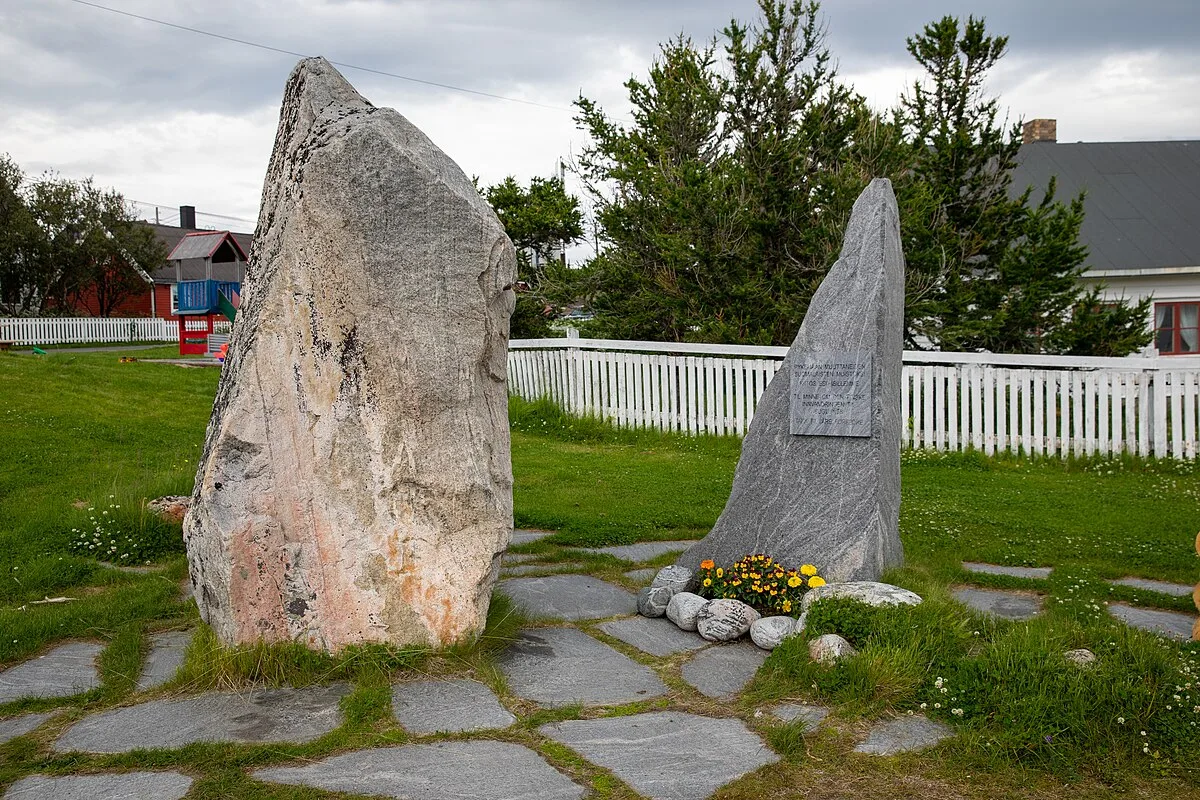
The memorial stone in Bugøynes, inscribed in Finnish and Norwegian: “Thanks to our forefathers.” Photo: Ninara / Wikimedia Commons (CC BY 2.0)
The Finnish connection to Bugøynes — known as Pykeijä in Finnish — goes deeper than most realize. The first Finnish settlers arrived around 1840, part of a larger wave of migration from northern Finland and the Tornedalen valley in Sweden. They were drawn by the rich fishing waters of the Varangerfjord, and the numbers grew sharply after the devastating famine that struck Finland in 1866–68. By 1900, more than 800 people of Finnish descent had settled across Sør-Varanger municipality, with Bugøynes and the neighbouring village of Neiden as their main centres.
Unlike many Kven communities in western Finnmark, where the old Finnish dialect has evolved into a distinct language, Bugøynes maintained close ties with Finland throughout the twentieth century — partly through Finnish radio broadcasts, partly through geography. As a result, the local speech remains close to modern Finnish as spoken just across the border, and most residents identify as norskfinner (Norwegian Finns) rather than Kvens. Finnish is still spoken in daily life, making Bugøynes one of the last actively Finnish-speaking villages in Norway.
Bugøynes also owes its remarkably well-preserved wooden architecture to an unusual chapter of World War II. During Operation Nordlicht in 1944–45, when German forces burned virtually every settlement in Finnmark during their retreat, Bugøynes was spared. According to local accounts, a German commander named Peter Paul Flach negotiated with villagers: they would transport soldiers westward by boat, and in return not a single house would be burned. Flach returned to the village in 1961 and was warmly received — a testament to the complicated human stories behind the war.
Considering a move?
Freysta members can explore local job opportunities and connect directly with representatives from the village. Feel free to get in touch whether you’re actively looking or just curious. It is completely free. And ad free.
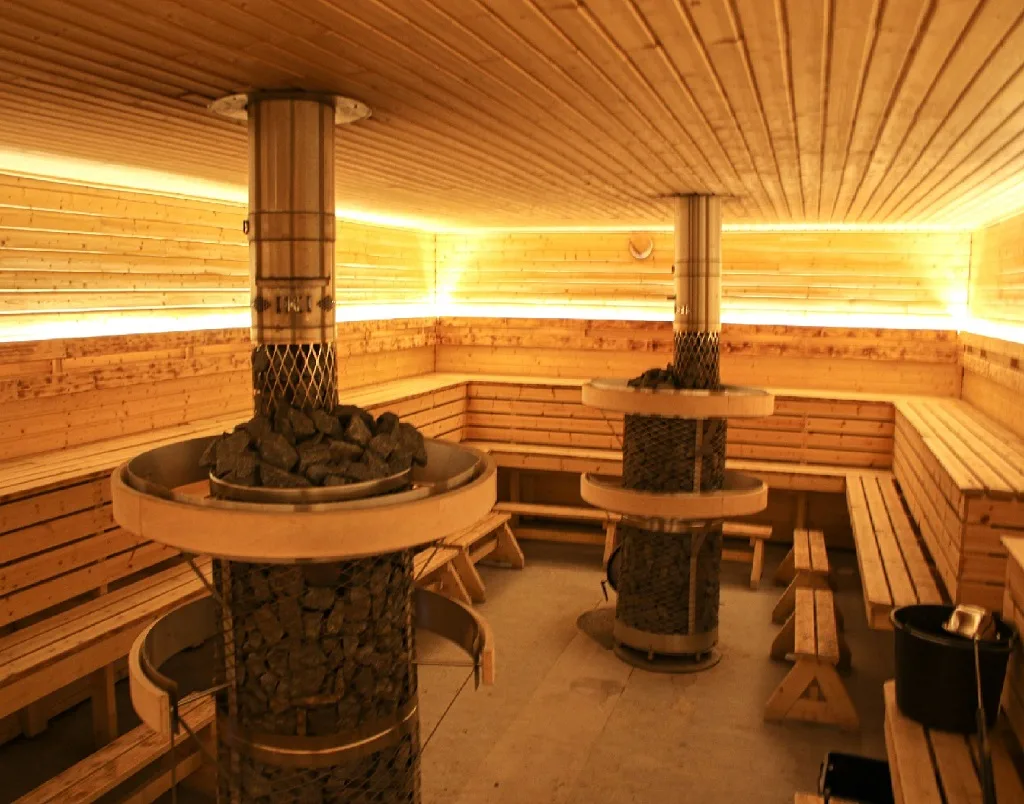
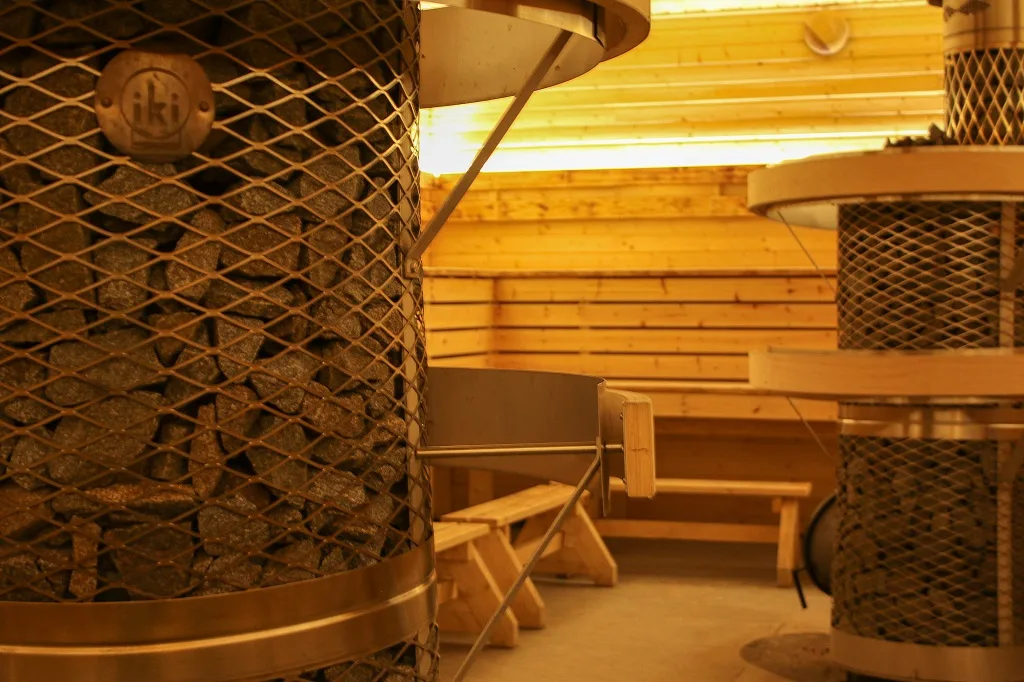
As mentioned, Finnish heritage runs deep in Bugøynes, with every house boasting a sauna. This tradition has also made Bugøynes a sought-after destination for Arctic Bathing, where visitors can experience the thrill of a dip in the Arctic Ocean followed by a sauna session. The hot-and-cold treatment is something else!
Bugøynes is a place where history, culture, and nature intersect to create a truly unique destination. Its Finnish roots, resilience in the face of adversity, and commitment to preserving tradition make it a special village, for those with an interest for wild nature, history and that small village charm.
Local stories and traditions that give Bugøynes its distinct character.
Village Services
What’s Here
Services, activities, and amenities available in Bugøynes and within a short drive.
Public Services
IN THE VILLAGE
Kindergarten
Primary school
Junior high school
Post office
Private Services
IN THE VILLAGE
Grocery store
Restaurant / café
Hotel / guesthouse
EV charging
Leisure
IN THE VILLAGE
King Crab safari
Sauna & Arctic bathing
Sea fishing
Lake / river fishing
Small boat harbour
Soccer club
Outdoor gym
Within 45 min
REGIONAL ACCESS
Kirkenes (nearest town)
Hospital
Airport (Høybuktmoen)
Location
Where is Bugøynes?
Bugøynes is located on the southern shore of the Varangerfjord in Sør-Varanger municipality, Troms og Finnmark county. The village is approximately 90 kilometres from Kirkenes and accessible via County Road 886.
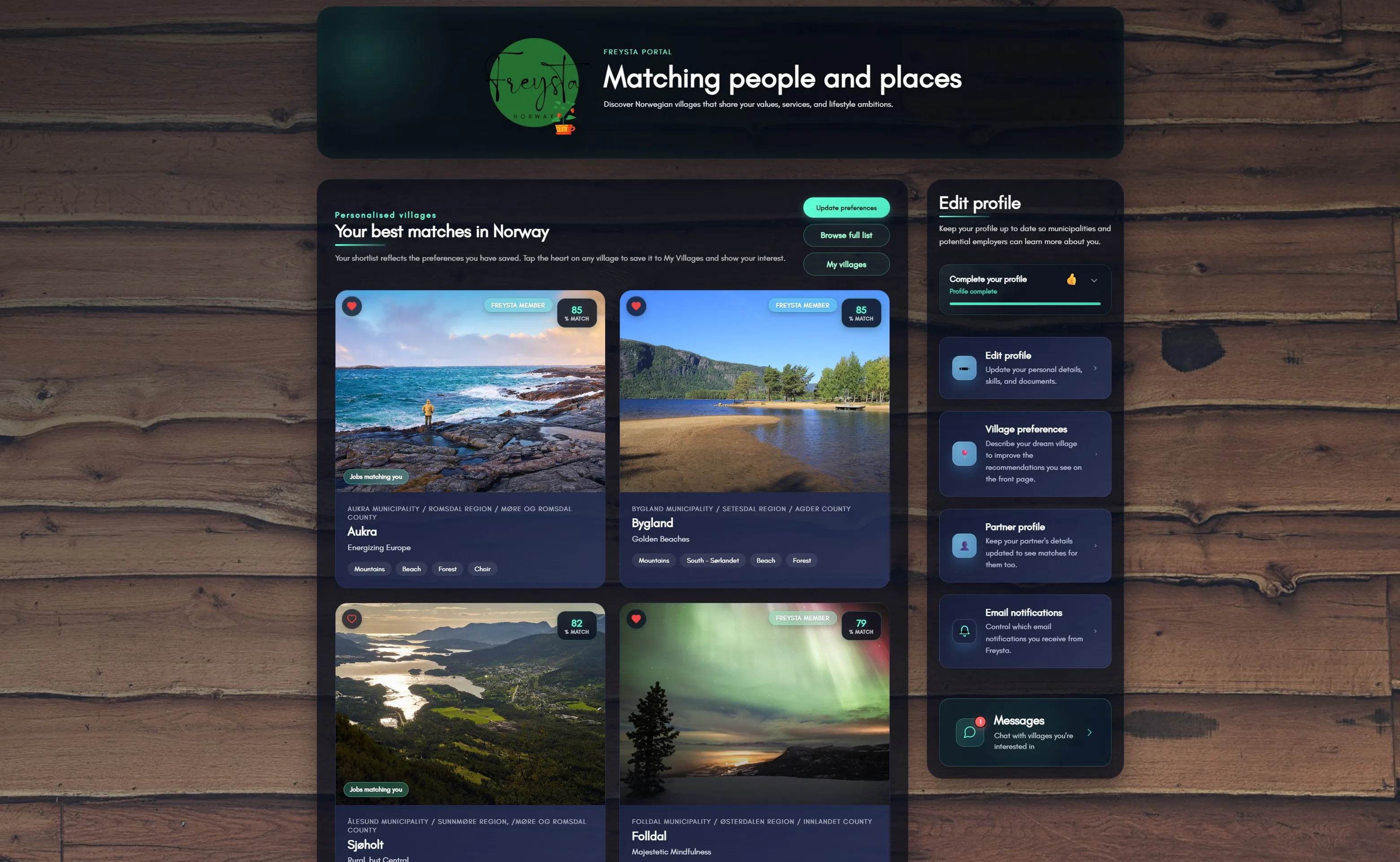
Freysta shows real job openings from across Norway — each one linked to a specific village. Explore a position and get to know the place around it, all in one view.
People are different — and Norwegian villages are too.
Describe what matters to you — nature, services, activities — and Freysta shows you villages that fit. Not a score. A starting point.
Start a conversation — when it makes sense
Freysta makes it easy to start a direct conversation with participating villages on the platform. Message village representatives, ask questions, and share documents — all in one place. In some cases, villages may also reach out to you if they think you could be a good match.
Dialogue happens when there’s mutual interest — on your terms.
What happens after you sign up?
1
You set up a profile — in minutes
You choose what matters to you in a place to live, along with your background and job interests. You can add more details later if you want.
2
You see villages and jobs that match you
Explore Norwegian villages that fit your preferences, with live updates on job openings in rural areas that match your skills.
3
Villages and employers may reach out
Village representatives and local employers can view your profile and contact you if they think there’s a good match.
4
You can get job alerts if you want
Receive notifications when new jobs are posted in villages you’re interested in — or turn alerts off at any time.
5
You can start conversations when it feels right
If you want to, you can also contact villages directly through the platform.
Simple, human matchmaking — always free for people who want to move to a Norwegian village.
FAQ
Questions about Bugøynes
Answers to common questions about everyday life in Bugøynes.
Village and gallery photos by VisitBugøynes. Historical photo of Kven fishermen by Axel Lindahl / Nasjonalbiblioteket (public domain). Memorial photo by Ninara / Wikimedia Commons (CC BY 2.0). Memorial inscription photo by Dr-Pseudo / Wikimedia Commons (public domain).
Text
Text by Marion Solheim, journalist and co-founder of Freysta.