
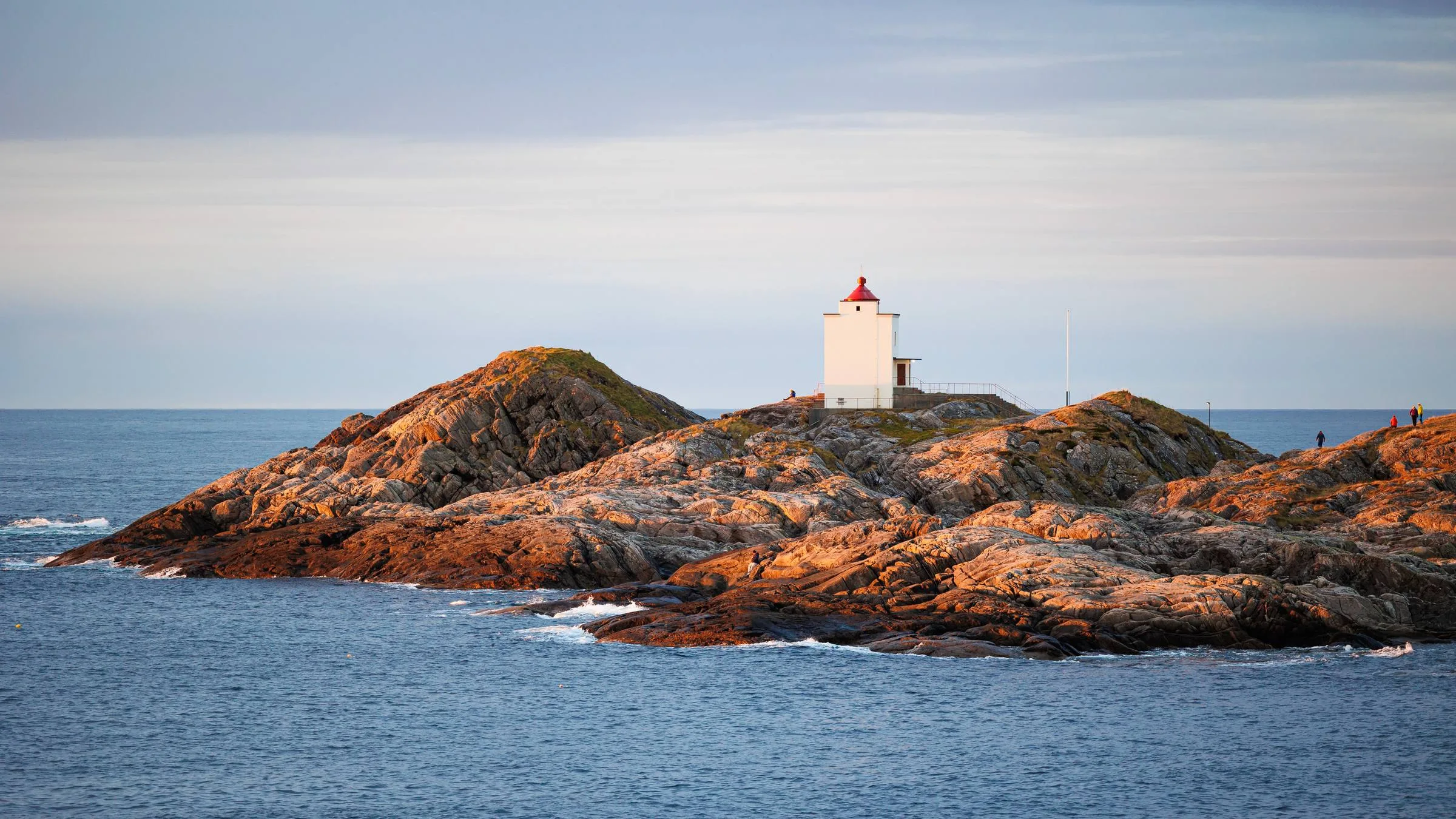
Ulla Lighthouse
A Beacon of History
HARAMSØYA: The history of Ulla Lighthouse (Ulla Fyr) is dramatic for sure. But the beautiful lighthouse from 1874 is still standing, and it has entered a new era – one that benefits both the locals and the visitors of Nordøyane.
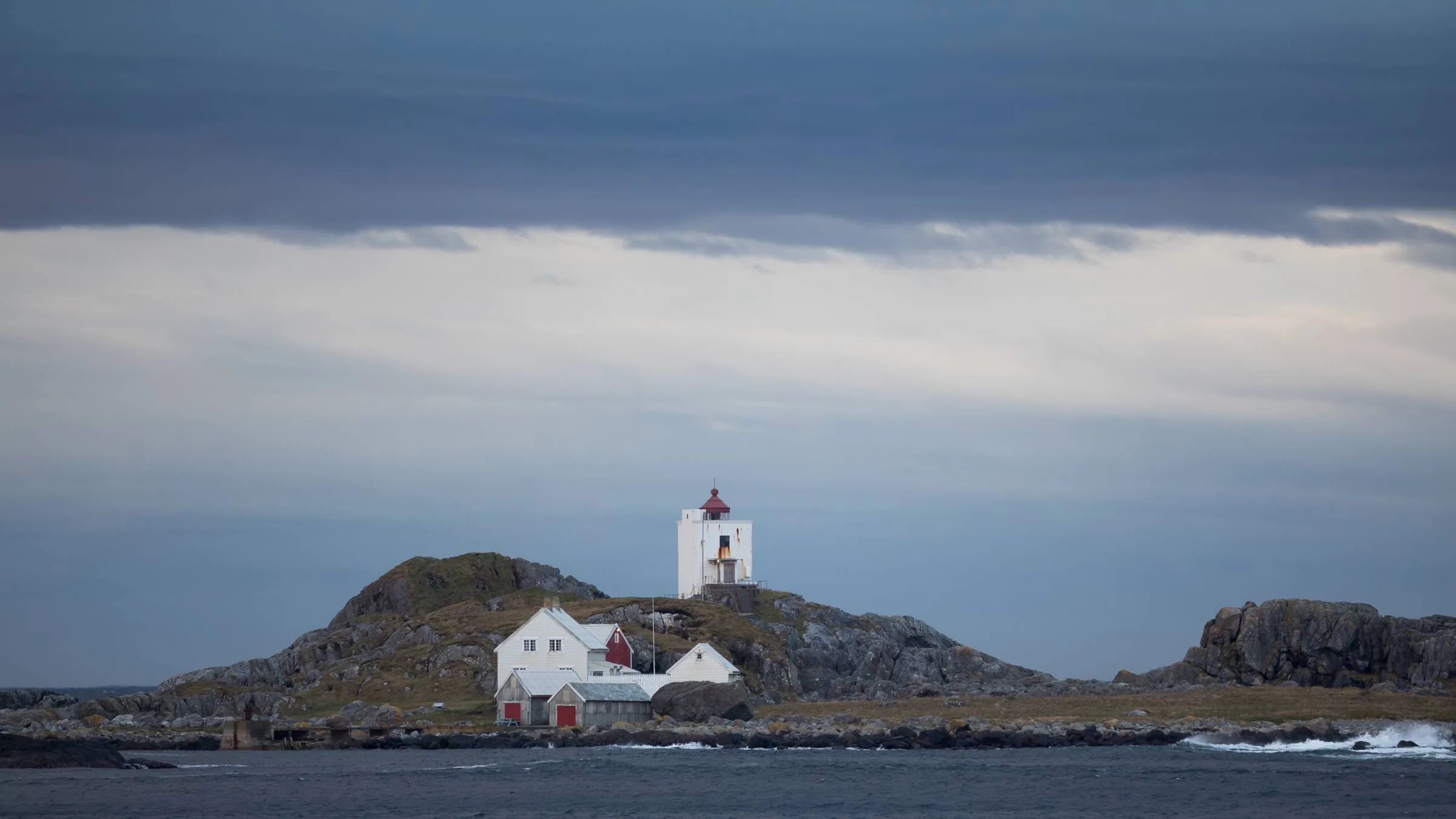
It’s really quite striking, the old lighthouse. Standing tall on Kvernholmen, on the western side of Haramsøya in Møre og Romsdal, it used to serve as a guiding light for seafarers and a home to lighthouse keepers and their families.
The Lighthouse Born from Tragedy
Ulla Lighthouse was constructed following a tragic event in March 1869. Back then, a devastating storm claimed the lives of 18 local fishermen. At that time, Ulla was a thriving fishing community, hosting nearly a thousand fishermen by the late 1800s. The establishment of the lighthouse was a necessary step to improve maritime safety along the rugged and often dangerous coastline. For over a hundred years, the lighthouse served as both a workplace and home for lighthouse keepers, attendants, substitutes, and their families, functioning as a small community.
A Unique Natural Habitat
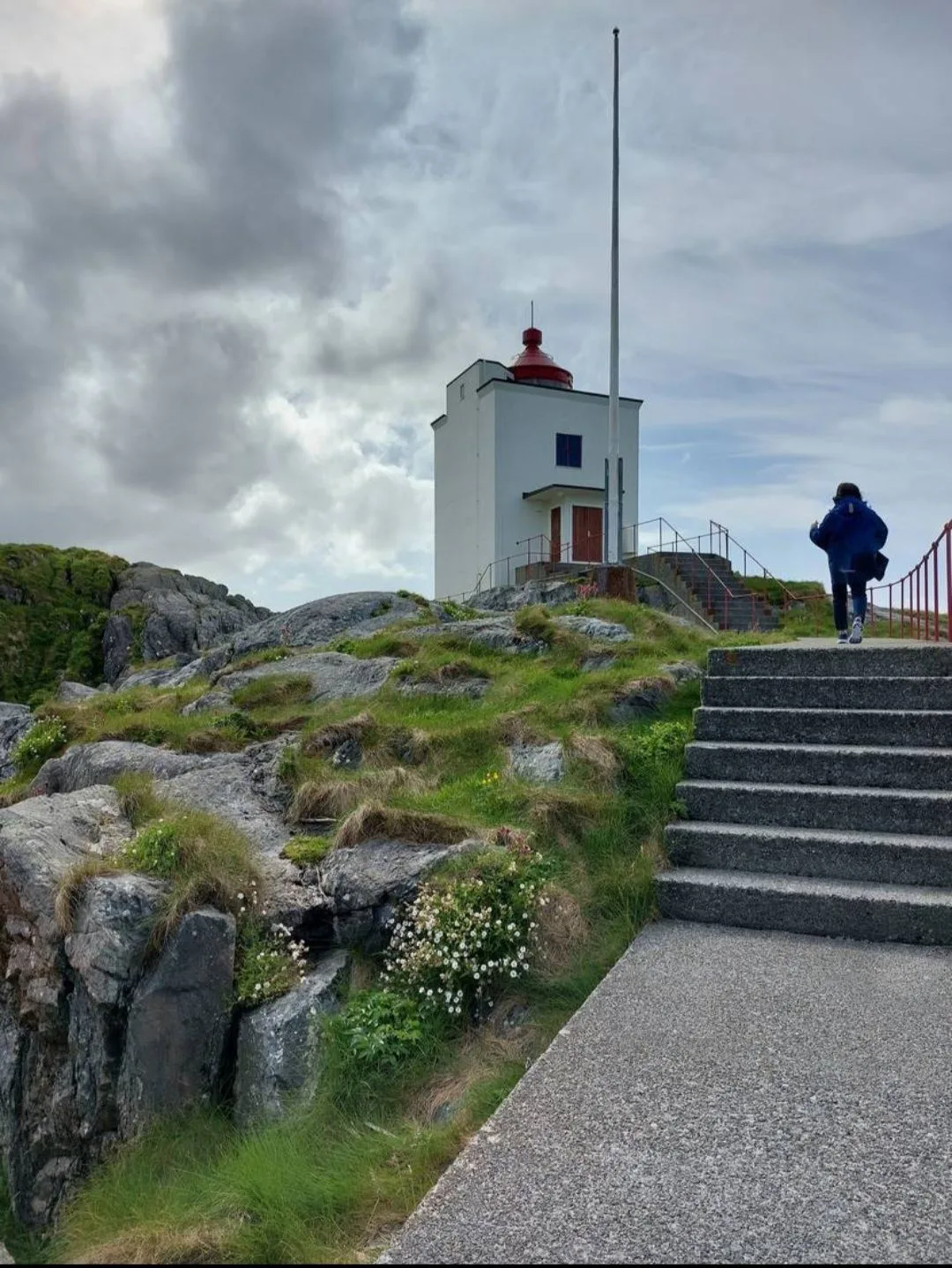
Despite being situated in a windswept and harsh coastal environment, Ulla is home to several rare plant species, including orchids (!). The combination of calcium-rich sandy soil and grazing sheep has created a distinctive botanical landscape, making Ulla a fascinating destination for nature enthusiasts.
Ulla Lighthouse
- Tower height
- 10.5 meters
- Light height above high water
- 21.5 meters
- Visibility range
- 12.4 nautical miles
- Light characteristic
- Oc (2) WRG 8s
The Evolution of a Lighthouse
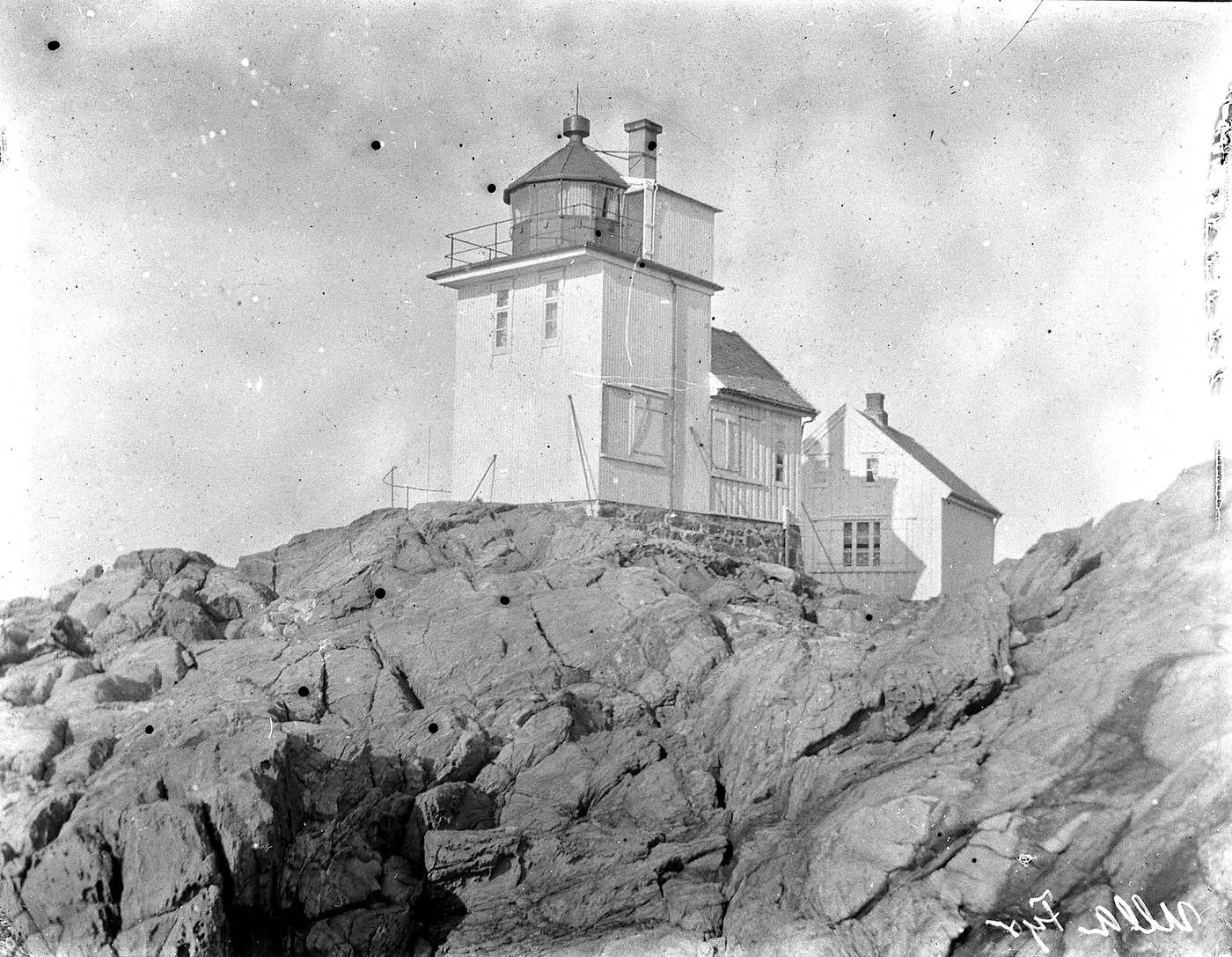
The lighthouse was originally with only two rooms and a watchroom in the attic. It was only meant to operate during the winter months. However, in 1889, the lighting period was extended; there was clearly a need for a beacon. The station was expanded to accommodate lighthouse keepers and their families. Further improvements were made in 1898, with the installation of a fourth-order lens and sector lights.
Storms and technological advancements continued to shape Ulla’s history. In 1901, a powerful storm displaced the boathouse, though it was later restored. By 1929, the lighthouse was electrified.
Want to know more about Haramsøya? Read here!
A War-Torn Legacy
During World War II, Ulla Lighthouse suffered significant damage when Allied forces bombed the station in 1944. Due to post-war reconstruction priorities, rebuilding did not commence until 1950. The new structure included an updated lighthouse, a keeper’s residence, and additional utility buildings. A footbridge was later built to connect Kvernholmen to Haramsøya, improving accessibility for everyone.
Modern Use and Preservation
In 1999, Ulla Lighthouse was designated a protected heritage site. Today, it stands not only as a functional navigational aid, but also as a treasured cultural landmark.
After its decommissioning, the Norwegian Coastal Administration leased the lighthouse to the military for a period. In 2003, the organization Ullafyrets Venner (Friends of Ulla Lighthouse) took over its maintenance. Today, they host events such as art exhibitions, community gatherings, and a seasonal lighthouse café. The station also offers 22 beds for overnight stays, making it an ideal retreat for visitors seeking a unique and historic experience.
Insta-friendly Hike
Ulla Lighthouse is not only a historical gem but also an excellent destination for outdoor activities. The surrounding area offers breathtaking views of the open sea, stunning sunsets, and an abundance of fishing opportunities. Visitors can fish from the rocky shores. But be careful! The waves here can be unpredictable.
The area is also a great starting point for cycling and hiking, with scenic routes leading to other parts of Haramsøya and beyond.
Getting There
Haramsøya is now connected to the mainland via the Nordøyvegen road, making it easily accessible. From the main road, follow the signs to Ulla. Before crossing the bridge to Longva, take a left onto a gravel road leading to the lighthouse. The trail to the lighthouse is well-maintained and suitable for most visitors, including those using wheelchairs. The bridge connects Haramsøya to Kvernholmen, but caution is needed during stormy weather. It can be rough!
Ulla Lighthouse is a lovely blend of history, natural beauty, and cultural significance. Whether you’re seeking a quiet getaway, an outdoor adventure, or a deeper dive into Norway’s maritime heritage, Ulla Lighthouse is a destination worth visiting.
Explore Nordøyane →