
The Storegga Tsunami
the Disaster that Shaped Nordøyane
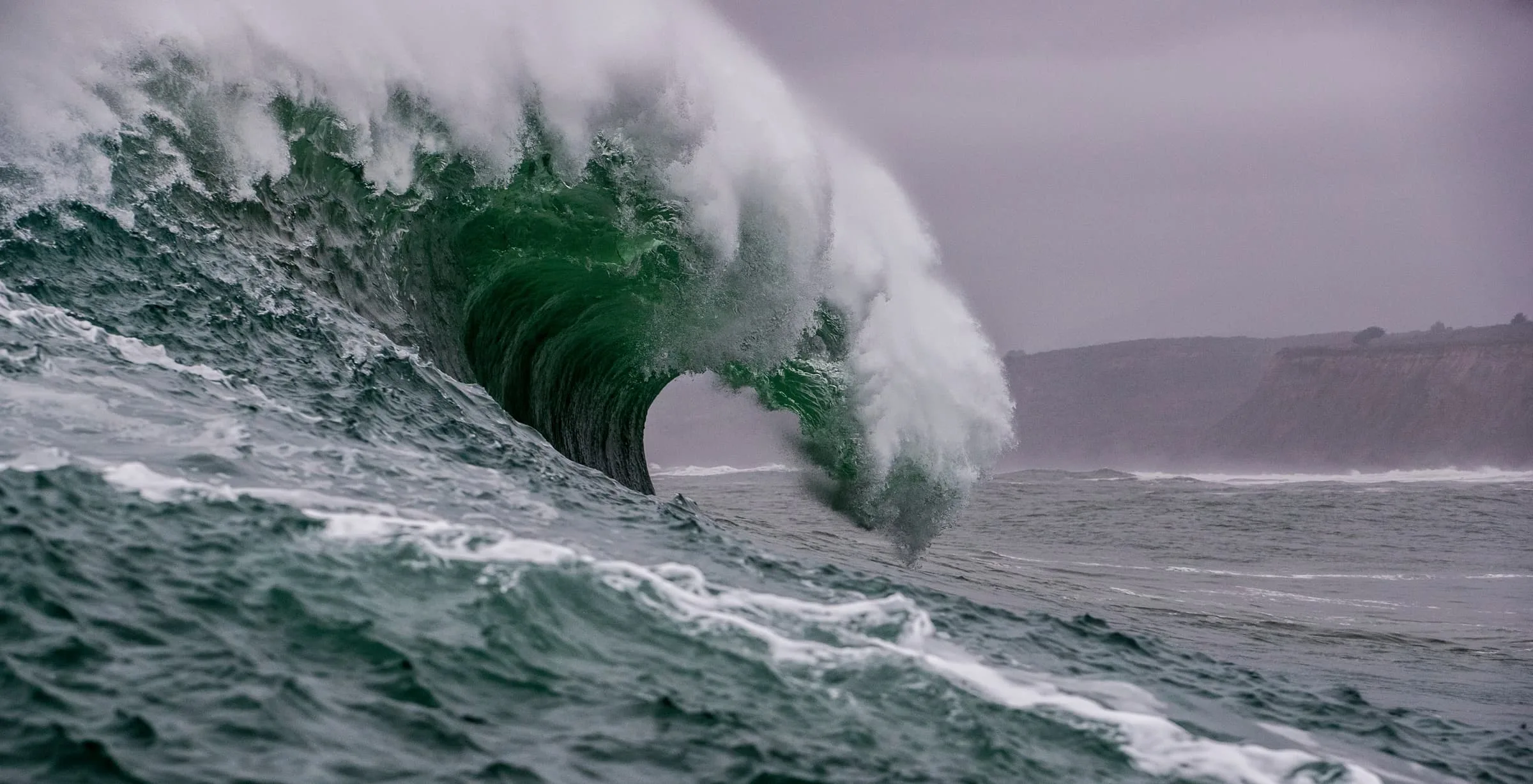
Over 8,000 years ago, a massive underwater landslide off the coast of Norway triggered one of the largest tsunamis in history. The Storegga tsunami. This event reshaped coastlines, altered settlements, and left a lasting mark on the region of Nordøyane.
The massive underwater landslide was triggered at Storegga, about 80 kilometers off the coast. This event set off the Storegga tsunami, one of the largest known tsunamis in world history. To this day, clear traces of the enormous wave that crashed onto the islands of Nordøyane can still be found. The wave has left behind thick layers of sand. Makes for nice beaches today, but back then the tsunami was pure disaster.
For the people living in the area at the time, the catastrophe most likely spurred efforts to prevent it from happening again. They may have developed various rituals and possibly even made offerings to appease the forces of nature.
For the generations to come, though, it wasn’t all bad. The Storegga slide scar became one of the richest fishing banks in the world and still is today. It is serving as a vital spawning ground for many fish species and the organisms they depend on. This unique ecological reservoir owes its abundance to a combination of warm waters from the Gulf Stream and the distinctive underwater formations left behind by the landslide.
What Happened, Really?
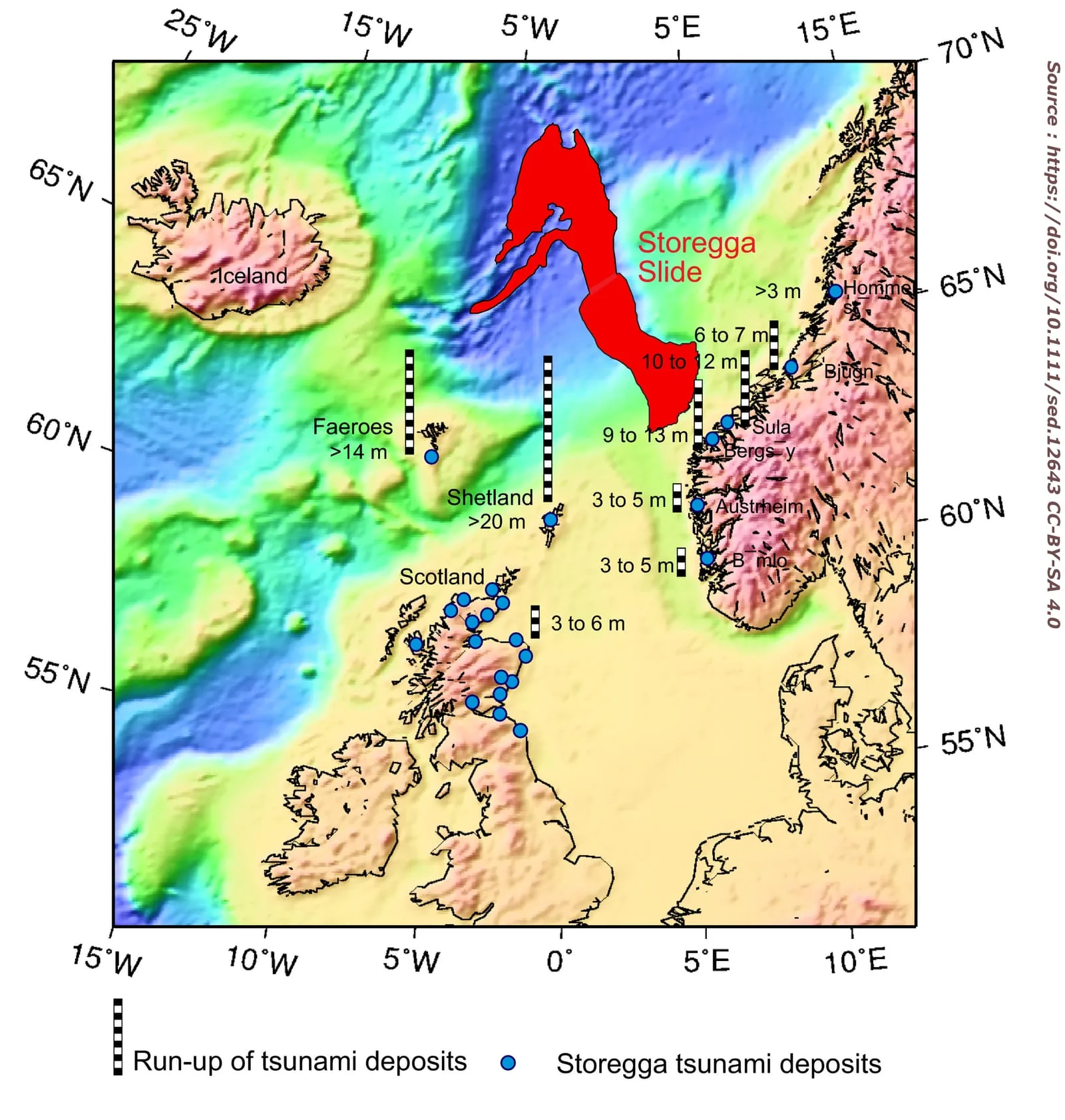
The Storegga Slide happened when an estimated 3,000 cubic kilometers of sediment collapsed from the continental shelf off western Norway. The displacement of such an immense volume of material sent towering waves across the North Atlantic. In some areas, the height of the wave could be up to 20 meters. Most likely, the event was a perfect storm, triggered by a combination of factors. These included glacial retreat, rising sea levels, and seismic activity.
The Impact on the Nordøyane Region
The Storegga tsunami swept across the North Sea. It hit both Norway, Scotland, the Faroe Islands, and even Iceland. On Nordøyene, the wave dramatically altered the coastline, submerging low-lying areas and reshaping the islands’ geography.
While no direct human settlements have been confirmed in the region from that time, archaeological evidence from other parts of Norway suggests that hunter-gatherers were present along the coast. The tsunami would have been horrible for any inhabitants, forcing survivors to move inland or seek higher ground.
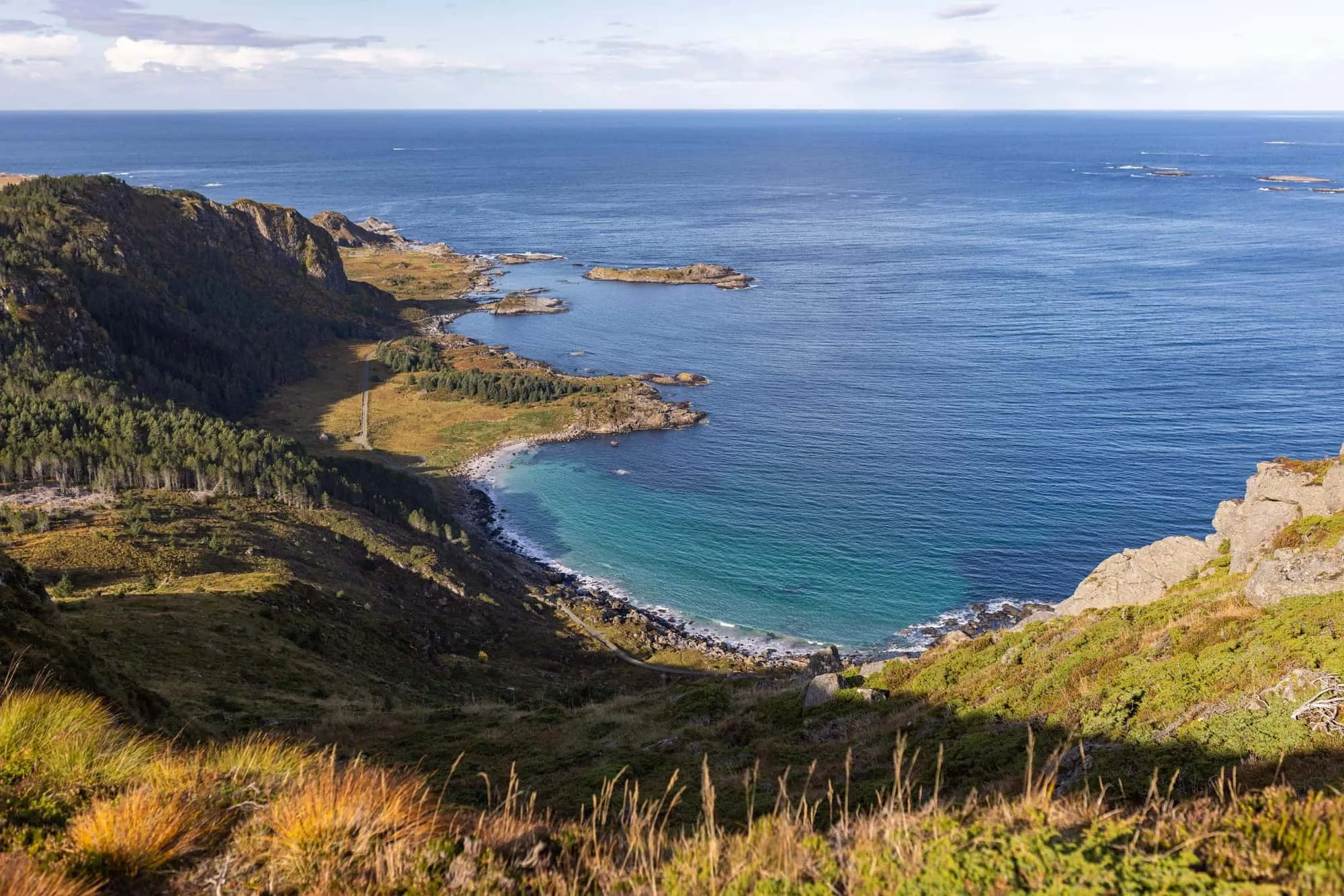
The Nordøyane archipelago, with its rugged cliffs and fjords, bears evidence of ancient geological turmoil. Much of the evidence of the Storegga tsunami is found in sediment layers along Norway’s coastline. But in areas like Haramsøya and Lepsøya, deposits and wave-cut features hint at massive forces that once shaped the land.
A Window into Prehistoric Life
Beyond its geological impact, the Storegga event provides insights into the lives of prehistoric people. Did those living near Nordøyane witness the devastation? How did they respond? We may never have all the answers. However archaeological research in the region helps piece together the story –little by little– of how ancient communities adapted to sudden environmental change.
PS: Not to worry. Scientists have done their job, and concluded that there will be no repetition of the Storegga tsunami until the next Ice Age is upon the earth.
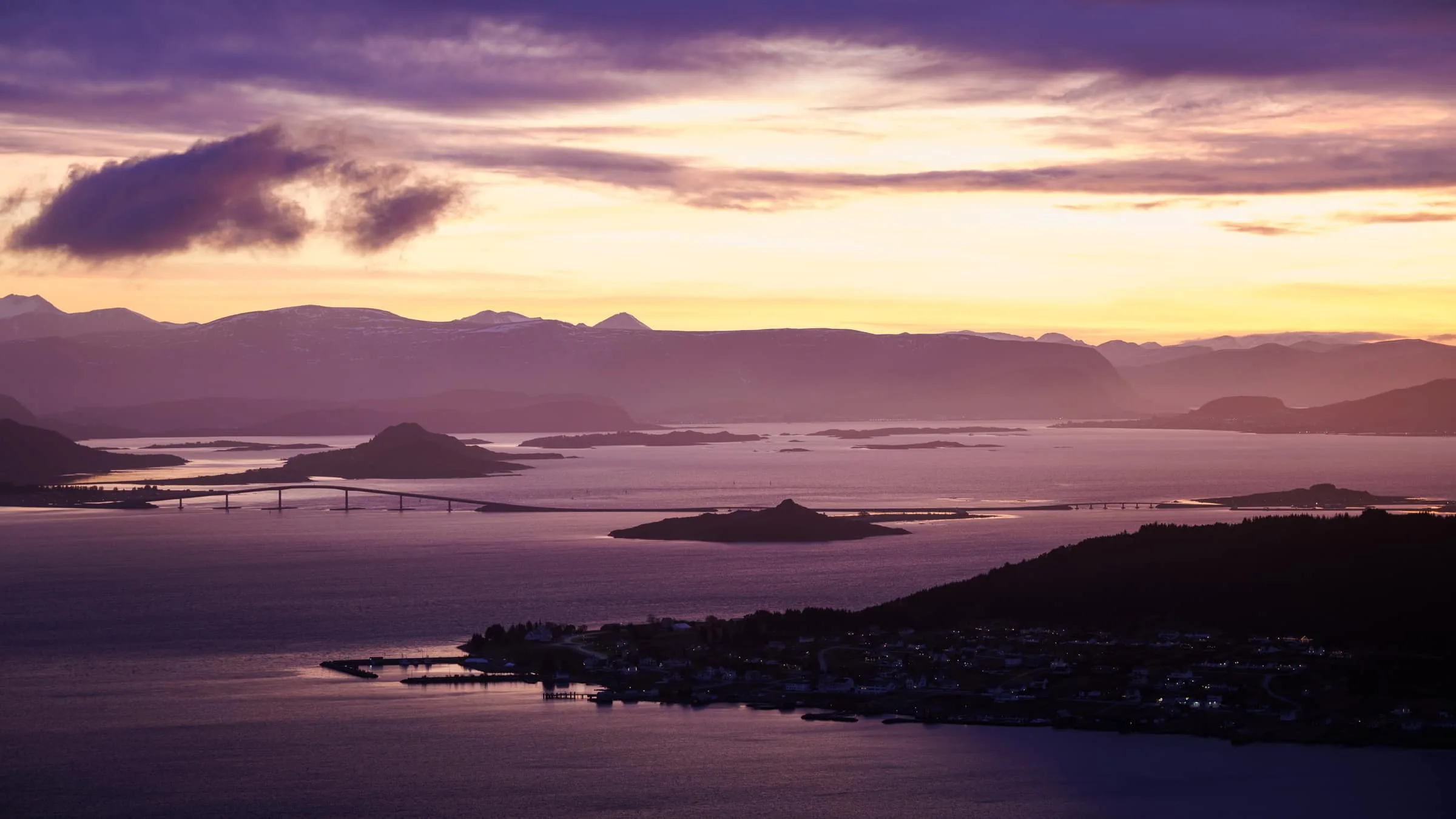
The forces that once devastated these shores also created the rich fishing banks and dramatic landscapes that define Nordøyane today. Thousands of years later, the islands are home to thriving communities, world-class maritime industry, and some of Norway’s most striking coastal nature.
Explore Nordøyane →