The Norwegian School System
What you need to know — from first grade to graduation
When do kids start school in Norway? What are the school values? What is the typical «niste» and why is so much school work digital from a young age? And what's up with the fact that even the Royal Family chooses public schools?
The Norwegian school system aims to provide all children with a good and equitable education, regardless of background or nationality. The core values of the Norwegian school is not discipline, we should say. (Some wish there would be more of that.) Instead, the schools put great emphasis on values such as equality, inclusion, democracy, and sustainability. The ideal Norwegian school should promote critical thinking, creativity, and a sense of community among students.
Here is what to expect from the Norwegian school system:
Grunnskolen — A Common School for All
In Norway, primary and lower secondary school (grunnskolen) is compulsory for all children aged 6 to 16. It consists of 10 grade levels, from 1st to 10th grade, and is completely free. The government covers all costs related to teaching, textbooks, and school materials. The goal of primary and lower secondary school is to provide all students with a broad and equitable education that prepares them for further studies and active participation in society.
10 years of free, compulsory education — the government covers teaching, textbooks, and all school materials. No tuition, no hidden fees. Norway spends 55% more per primary school pupil than the OECD average (Udir/OECD, 2019 data).
Primary and lower secondary school is divided into two main stages:
Primary Stage
Grades 1–7 (ages 6–13)
Foundation years with focus on basic skills, play-based learning, and social development.
Lower Secondary
Grades 8–10 (ages 13–16)
More specialized subjects, first official grades, and preparation for further education.
Upper Secondary
Ages 16–19
General studies or vocational training — students choose their own path.
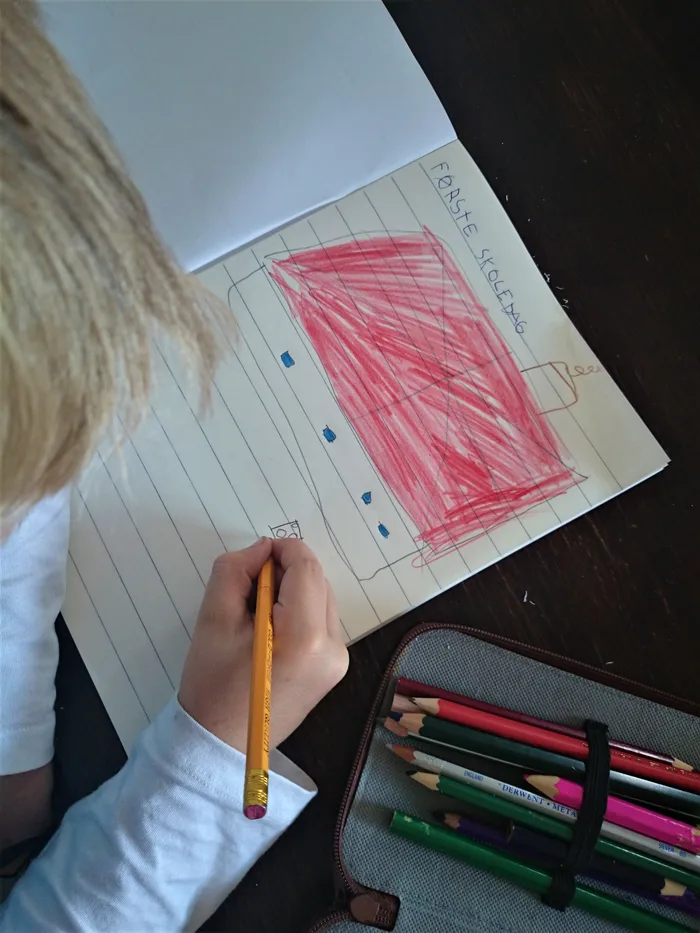
At this time, especially in tenth grade, the youth also prepare for further education, whether it is upper secondary school or vocational training.
Subjects and Curriculum
Primary and lower secondary school follows a national curriculum called The Knowledge Promotion Curriculum (Læreplanverket for Kunnskapsløftet). This curriculum sets the framework for what students should learn in each subject. Some of the most important subjects include:
In addition to academic subjects, students learn about values such as democracy, equality, and sustainability. This is an important part of Norwegian school culture.
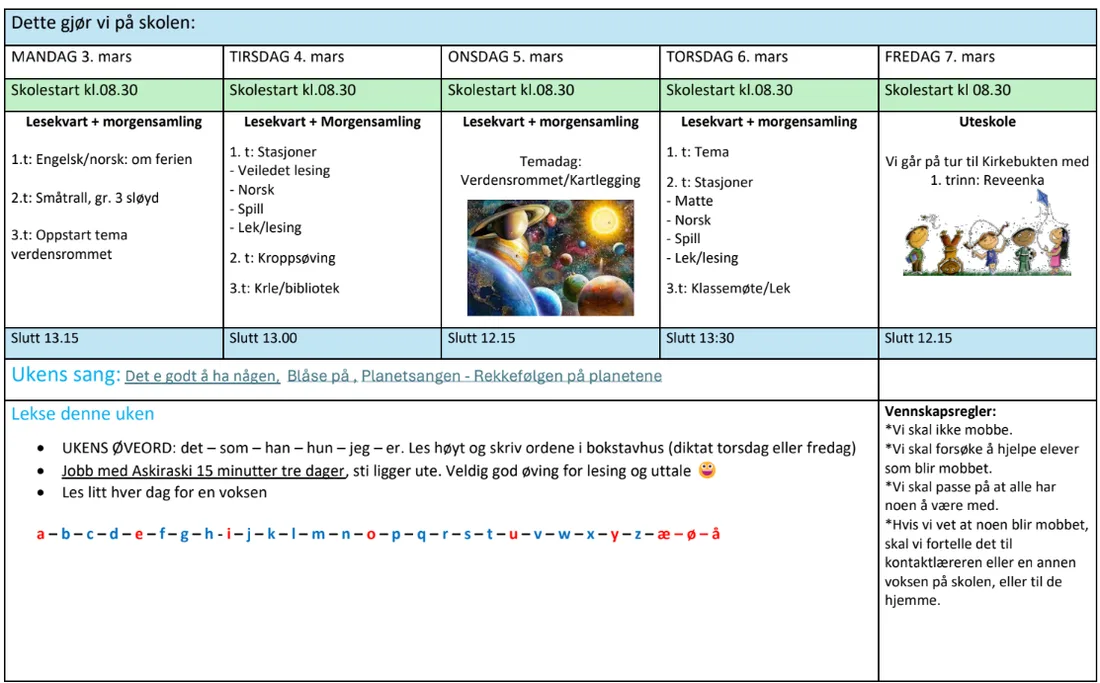
Weekly plans like this one give parents a clear overview of what their child will be learning. The mix of traditional subjects, physical education, and creative activities reflects the holistic approach to education in Norway.
The School Day and the Academic Year
A normal school day in Norway starts around 08:00 and ends between 14:00 and 15:00, depending on the age of the students and the specific school. Younger students usually have shorter days, while older students may have longer days with more subjects. Breaks are an important part of the school day, with a longer lunch break where students often eat a packed lunch from home. It's called «niste», and it's a cultural institution in itself.

The «Niste» — A Cultural Institution
Brown cheese on sliced bread is the quintessential Norwegian packed lunch. Simple, practical, and deeply ingrained in the culture. Most schools don't have cafeterias — kids bring their own food from home.
Now, the kids in Norway have a wild amount of vacation, some would say. The academic year runs from mid-August to mid-June, divided into two semesters. There are several holidays throughout the year:
Autumn Break
1 week in October
A fall breather before the dark months set in
Christmas Break
~2 weeks
Around Christmas and New Year
Winter Break
1 week in February
Often used for skiing and winter sports
Easter Break
~1 week
Timing depends on when Easter falls
Summer Break
Mid-June to mid-August
A long summer holiday to recharge
Red Days
Throughout the year
Official days off — 1st of May, 17th of May, and more
Schools also have various activity days, project weeks, and excursions, which contribute to a well-rounded educational experience.
Out-of-School Care (SFO)
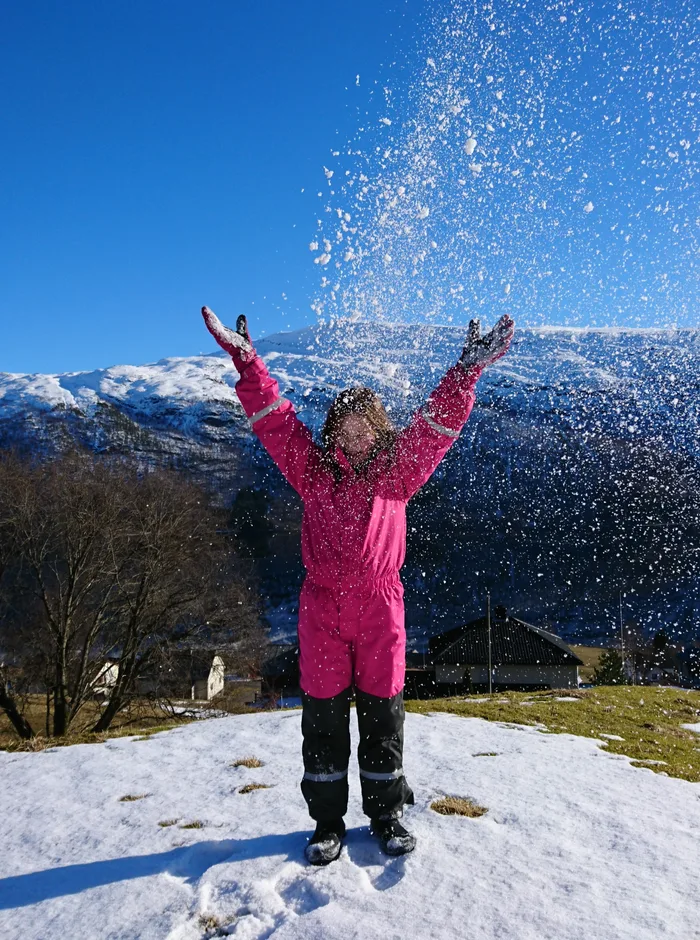
For children in 1st to 4th grade, Out-of-School Care (SFO or AKS in Oslo) is often available before and after school hours. SFO should be a safe environment where children can play, participate in activities, and spend time with friends. This is particularly useful for parents who work and need childcare outside of school hours. Which is the great majority of Norwegian parents, mothers and fathers alike.
SFO is usually fee-based, but the cost varies depending on the municipality and the family's income. Many municipalities offer discounts for multiple children or low-income families.
Adaptation for Foreign Students
If you and your family have recently moved to Norway, your child has a legal right to adapted Norwegian language instruction until they are proficient enough to follow regular classes. Under the Education Act (Opplæringslova §2-8), children are also entitled to mother tongue instruction and bilingual subject teaching if needed.
Schools offer Introduction Classes for newly arrived students, where they receive intensive Norwegian language training. These classes are tailored to the student's age and educational background, ensuring they can integrate into regular classes as soon as possible.
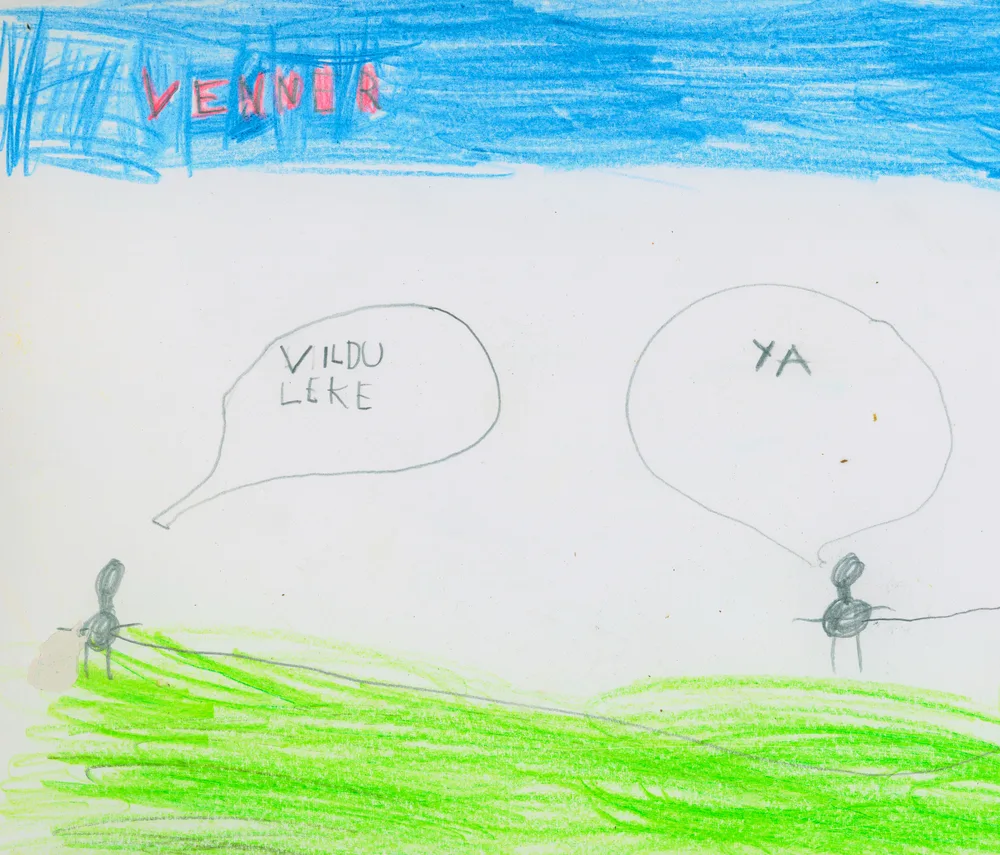
In addition to language support, schools provide cultural orientation to help foreign students understand Norwegian society and school culture. Teachers and school counselors work closely with students and their families to address any challenges and ensure a smooth transition.
The goal is to create an inclusive environment where all students feel welcome and supported. Also, it probably helps that kids all over have learned English from TikTok and such from an early age.
Collaboration Between the School and the Parents
In Norway, parental involvement is highly encouraged. The schools actively work to build strong partnerships with parents.
For instance, regular parent-teacher meetings are held to discuss the child's progress, strengths, and areas for improvement. These meetings are an opportunity for parents to ask questions and share their perspectives.
In addition to formal meetings, schools use digital platforms like Skoleplattformen or Vigilo to facilitate communication between teachers and parents. These platforms provide updates on homework, school events, and the child's academic and social development.
Parents are also invited to participate in school activities, such as class trips, cultural events, and sports days. Many schools have parent councils where parents can contribute to decision-making processes and help shape school policies. This collaborative approach ensures that parents play an active role in their child's education.
Further Education — Videregående Skole
After completing 10th grade, most students continue to upper secondary school (videregående skole). This stage of education is not compulsory but is attended by the vast majority of students. Upper secondary school typically lasts three years and offers two main pathways:
General Studies
Studiespesialisering
Prepares students for higher education at universities and colleges. Academic focus with elective subjects.
Vocational Studies
Yrkesfag
Practical, hands-on training for specific trades and professions. Often includes apprenticeships.
Both pathways offer a combination of compulsory and elective subjects, allowing students to tailor their education to their interests and personal goals. After completing upper secondary school, students can apply for higher education or enter the workforce.
According to Statistics Norway (SSB), 82% of students complete upper secondary education within five to six years. The completion rate is highest for general studies at 91%, while vocational programmes have a completion rate of 71%.

The Public School is Standing Strong
In Norway, the public school system is highly regarded, and there is a long tradition of even members of the royal family attending regular public schools. For example, Princess Ingrid Alexandra, the daughter of the Crown Prince and Princess, attended Jansløkka School in Asker before switching to a private school for a few years. In 2019, she returned to the public school system and completed 10th grade at Uranienborg School in Oslo.
This highlights the trust in the public school system and shows that it is well-suited even for those with special needs or challenges. Also, there are very, very few private schools in Norway. There is no great tradition for it.
In the OECD's PISA 2022 assessment, Norwegian 15-year-olds scored around the OECD average — 477 points in reading and 468 in mathematics. Notably, 9% of Norwegian students reached the highest proficiency level (Level 5+) in reading, above the OECD average of 7% (OECD, PISA 2022).
Unique Features of the Norwegian School System
Some things might be good to know:
Low Focus on Grades
Students do not receive official grades until 8th grade. The school places less emphasis on competition and more on individual growth and collaboration.
Life Skills & Values
Values such as democracy, equality, and environmental awareness are integrated into the teaching.
Short Days & Outdoor Activities
The Norwegian school day is relatively short, and outdoor activities are an important part of school culture.
Informal Teacher Relationships
Teachers often have an informal and trust-based relationship with students, and it is common to address teachers by their first names.
Independent Learning
Few homework assignments — the school encourages independent learning and critical thinking.
Free Education
Primary and lower secondary school is completely free, including textbooks and school materials. Often included: a laptop computer to do the homework on.
Highly Digitalized
The Norwegian school system is highly digitalized, and students often use computers and digital learning platforms.
Focus on Mental Health
Schools often have access to school health services and counselors who can help students with challenges.
There you go! And if you want to go safe with the «niste», brown cheese on bread is always a winning combo.
Sources
- Act relating to Primary and Secondary Education and Training (Opplæringslova) — Lovdata
- Higher spending per pupil in Norway than in most other countries — Utdanningsdirektoratet (Udir)
- Completion rates of pupils in upper secondary education — Statistics Norway (SSB)
- PISA 2022 Results: Country Notes — Norway — OECD
- International Schools and the Education System in Norway — InterNations