Rondanevegen – the Scenic Route of Blue Mountains
75 km along the eastern edge of Rondane National Park
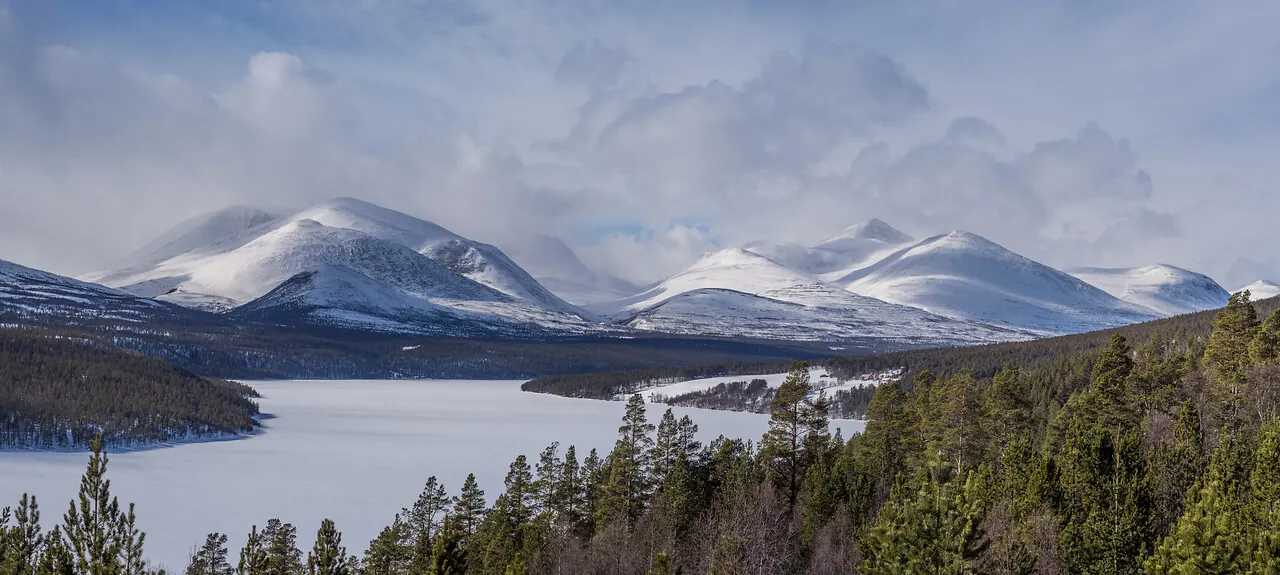
Some of the most memorable nature experiences are found inland in Norway, where cozy villages meet mighty mountains. One of the most stunning scenic routes is Rondanevegen, that traces the eastern edge of Rondane National Park.
Spectacular mountain landscapes. Farms along the road. Wildflowers and the freshest air. Your Instagram will jump for joy!
Rondanevegen is part of Norway’s network of Norwegian Scenic Routes. With only 18 such routes in the whole country, it’s a member of a very select and prestigious group. It runs for about 75 kilometers between Venabygdsfjellet in the south and Folldal in the north.
Norway’s National Scenic Routes
A Landscape Painted in Blue
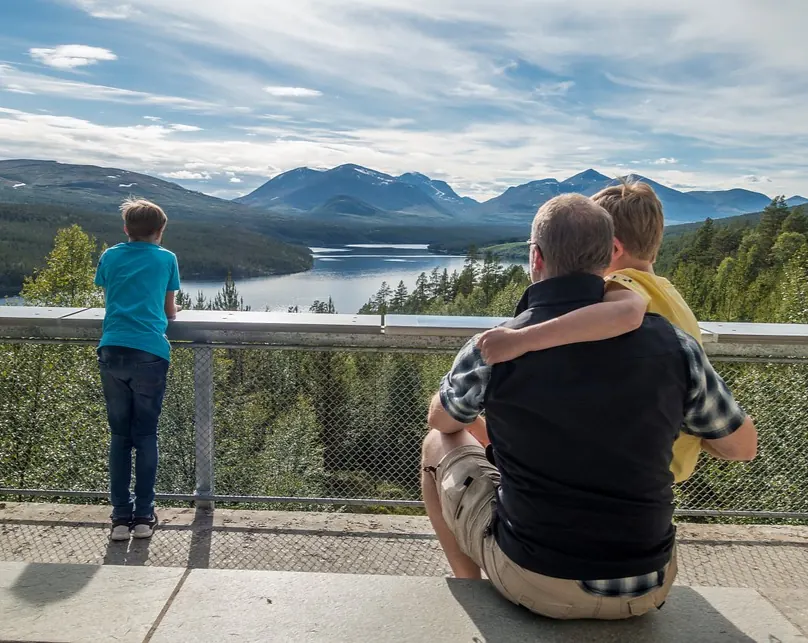
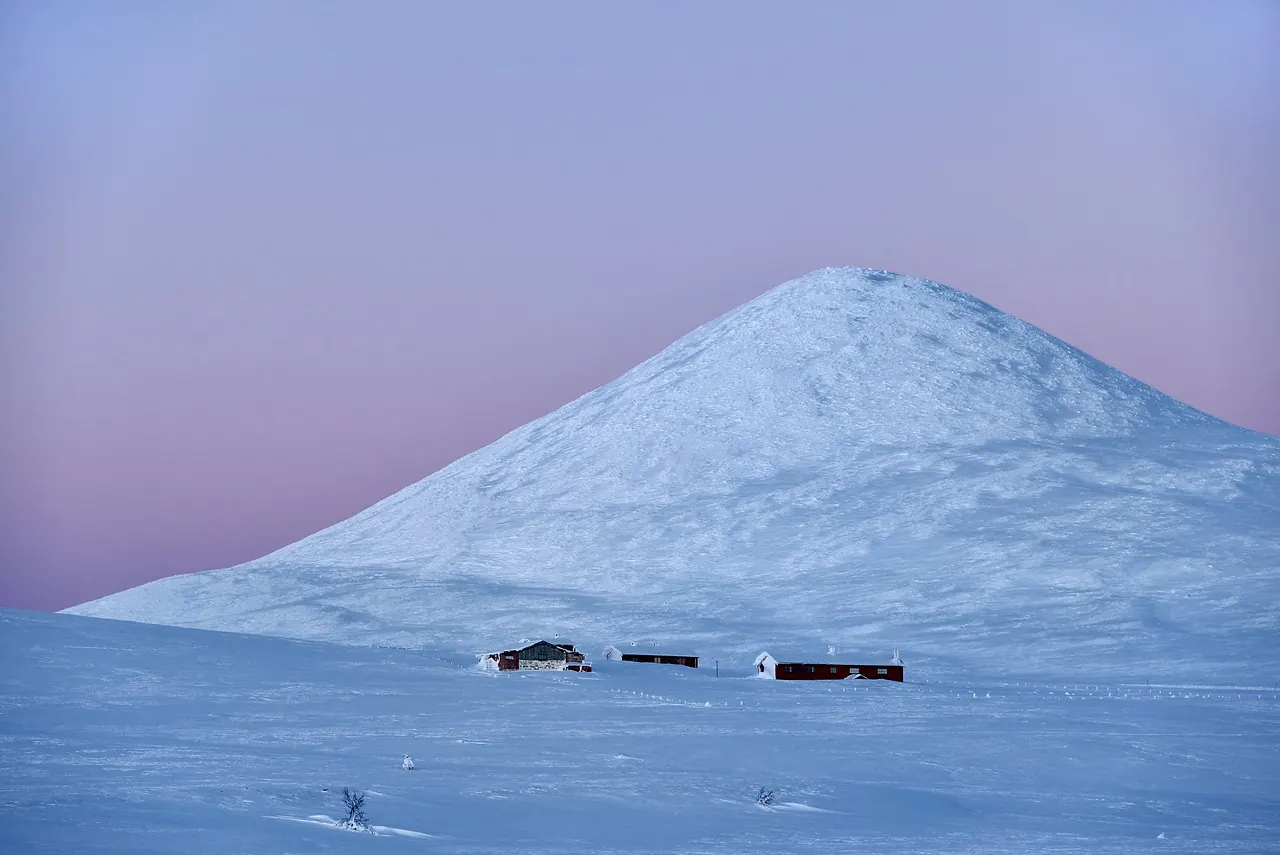
The mountains of Rondane are often called the blue mountains because of the shifting colors they take on in different light. From the viewpoint Sohlbergplassen, designed by architect Carl-Viggo Hølmebakk, you can see why these peaks inspired artists and writers for generations.
A Living Cultural Landscape. Or Real Norway, in Other Words.
Rondanevegen doesn’t just showcase wild and breathtaking nature. It also winds through villages where people live their everyday lives. (And so could you, by the way.)
Here are some of the highlights:
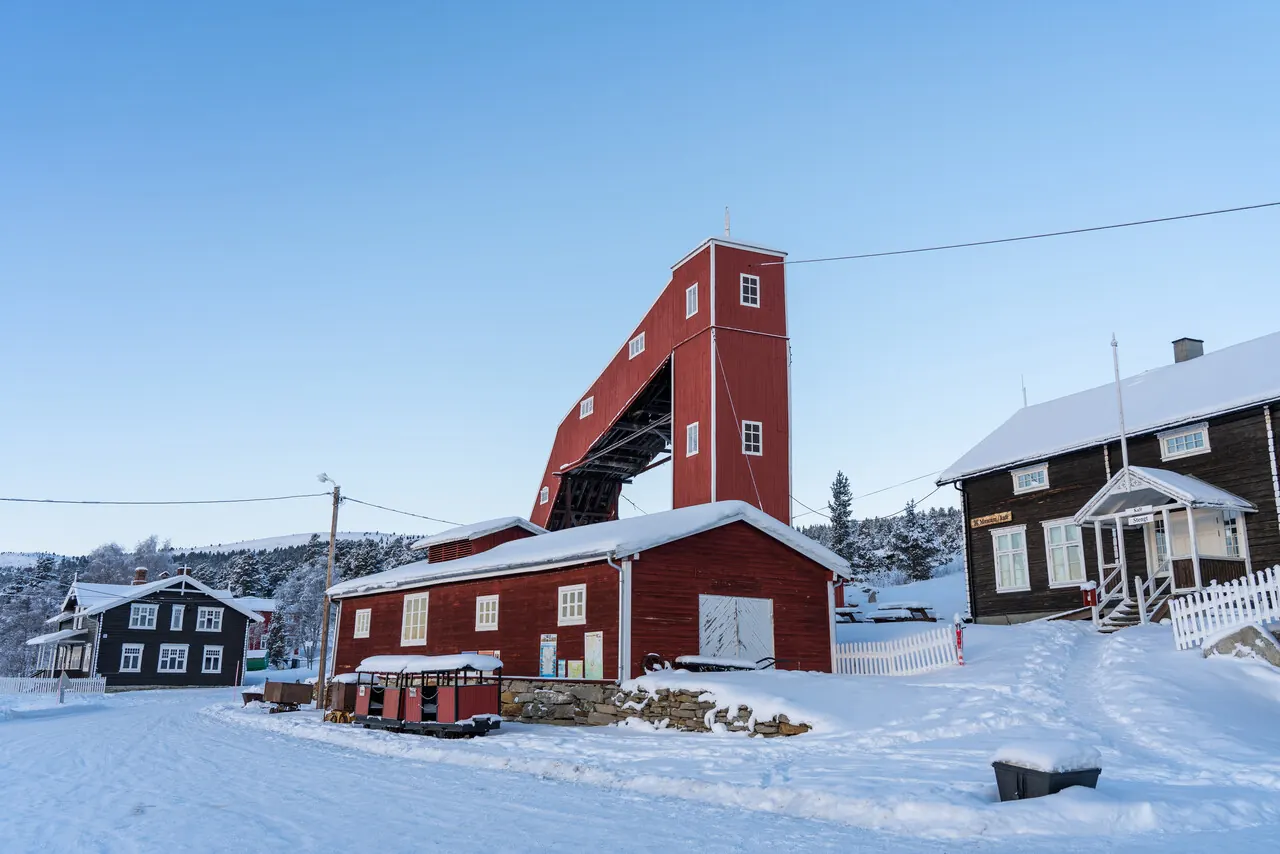
Folldal — at the northern end of the road lies this historic mining village. Folldal’s mines were active from the 18th to the 20th century. Now they are turned into an open-air museum where visitors can enjoy guided train rides in the old mine and learn about life underground. More info.
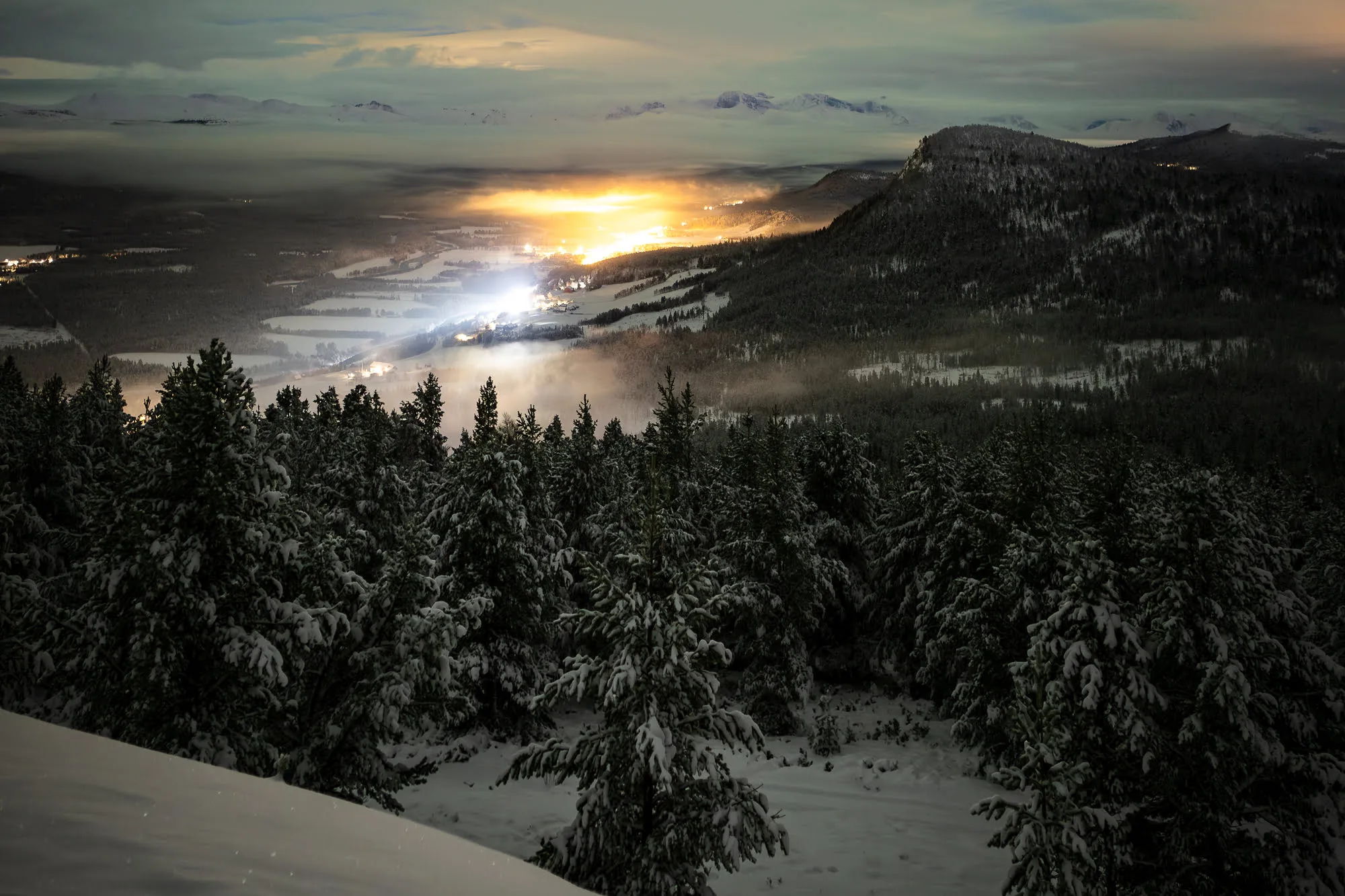
Seter Culture — scattered farms and summer mountain dairies (seter) keep alive the old tradition of bringing animals into the highlands for grazing. Some farms welcome visitors with homemade cheese, sour cream porridge, and a warm dose of Norwegian hospitality.
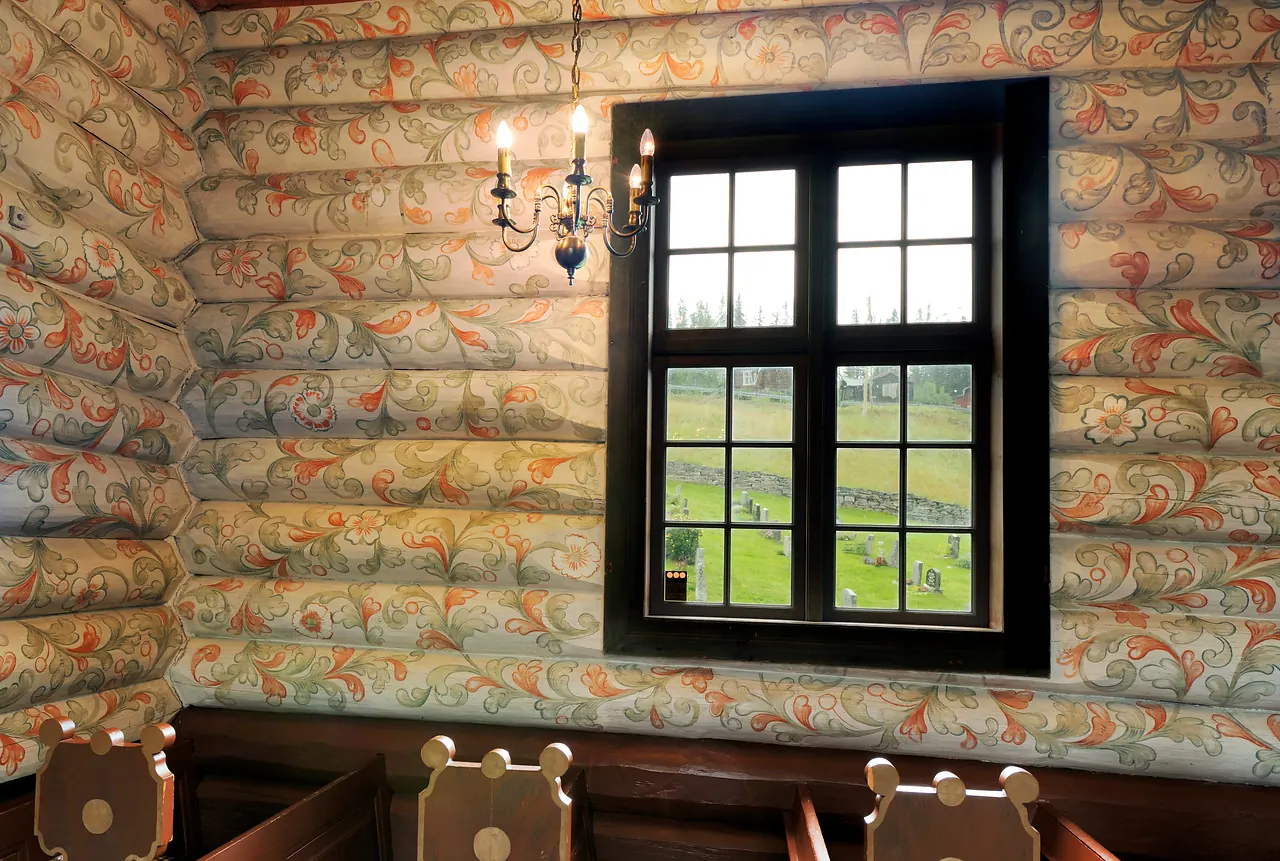
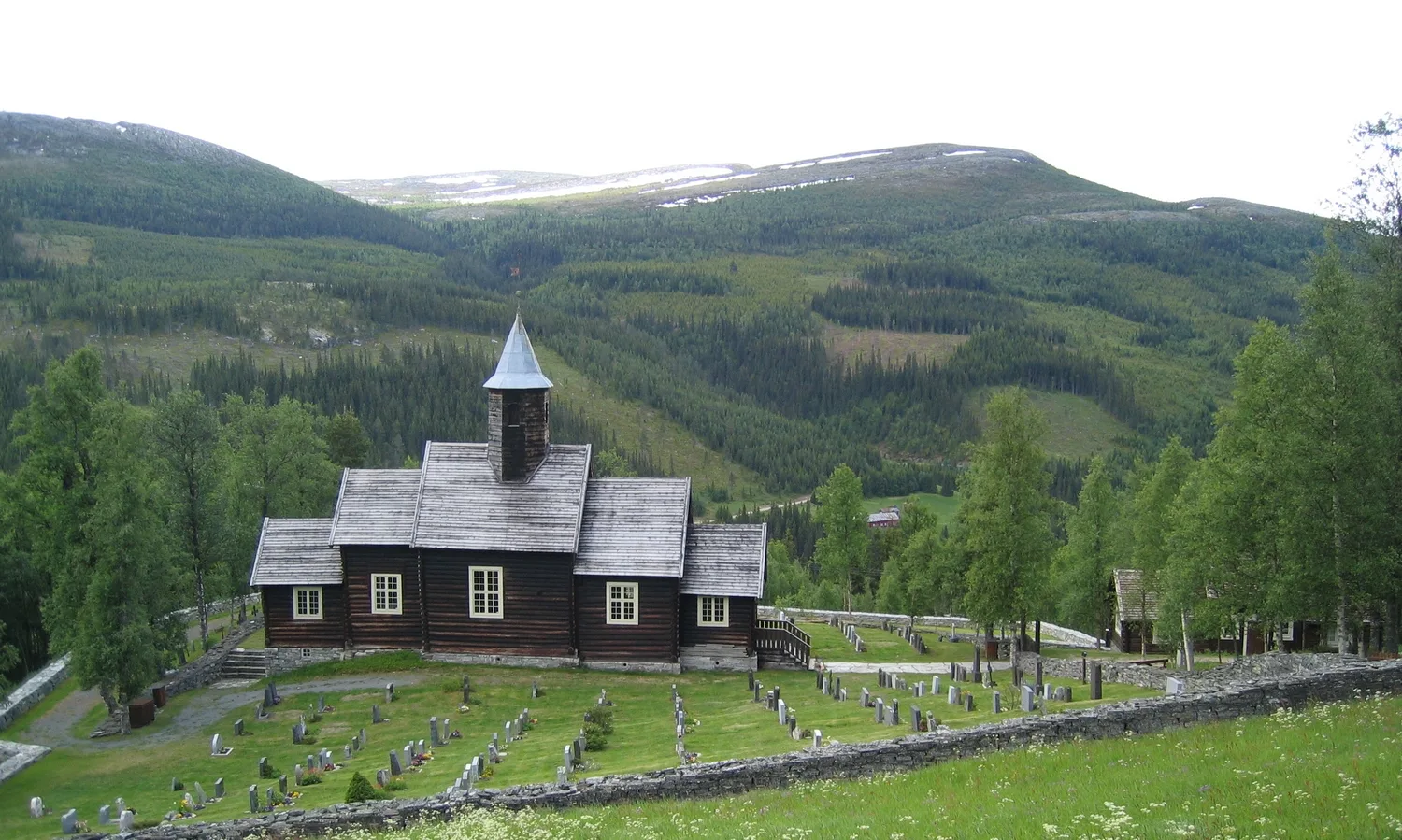
Sollia Church — a wooden church built in 1737, beautifully preserved and still in use. Its setting, surrounded by farmhouses and mountains, is simply beautiful.
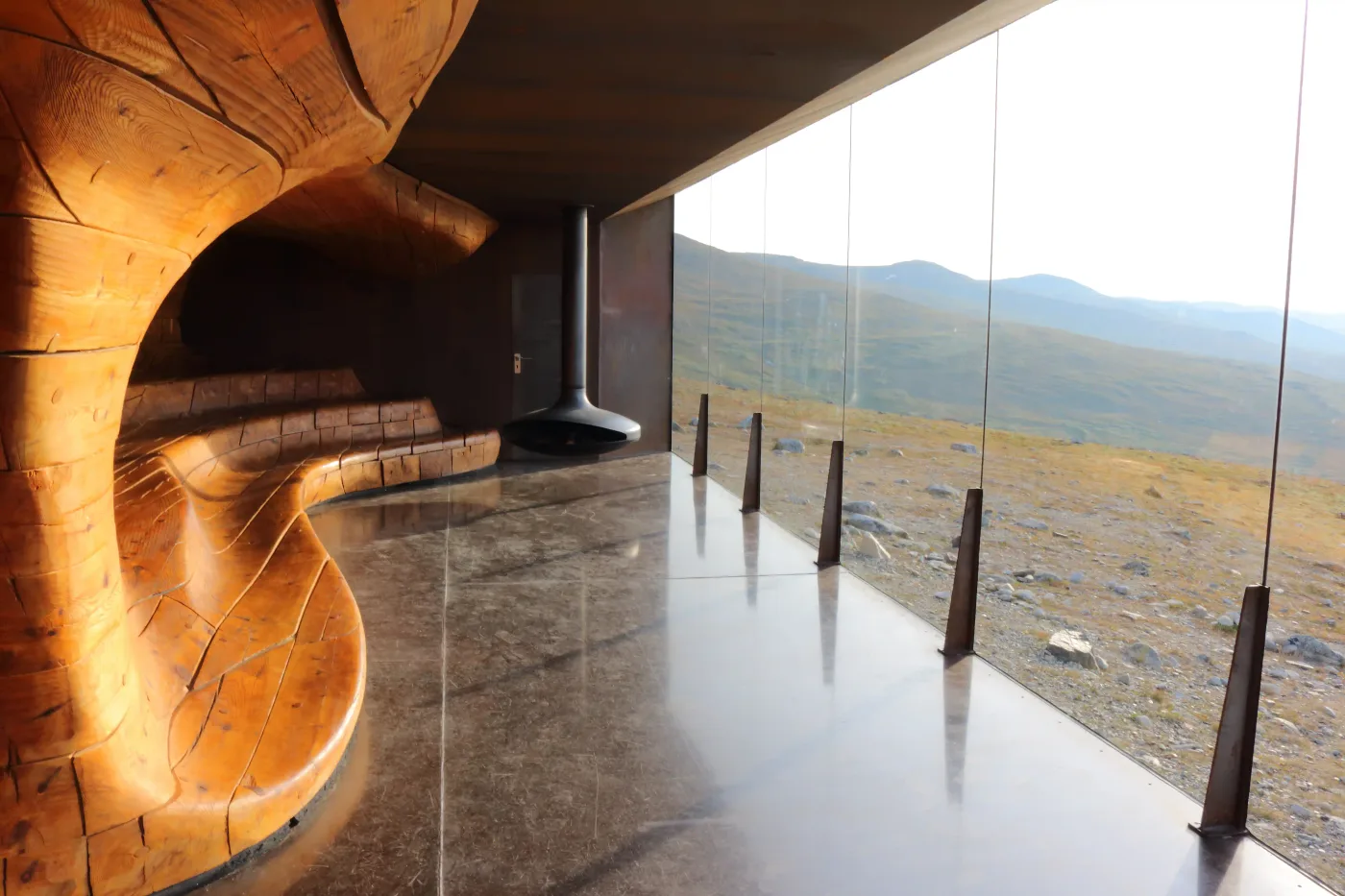
The Visitor Centre Wild Reindeer — here, you’ll learn about Norway’s last wild reindeer and their mountain home. Don’t miss the famous Viewpoint Snøhetta, offering breathtaking views of the iconic peak. A 1.5 km trail (20–30 minutes to walk) leads you up to the viewpoint. Along the way you’ll find information about the nature and cultural history of Dovrefjell. The Reindeer Visitor Centre is open daily in summer – admission is free! More info.
A Base for Hiking and Village Exploration
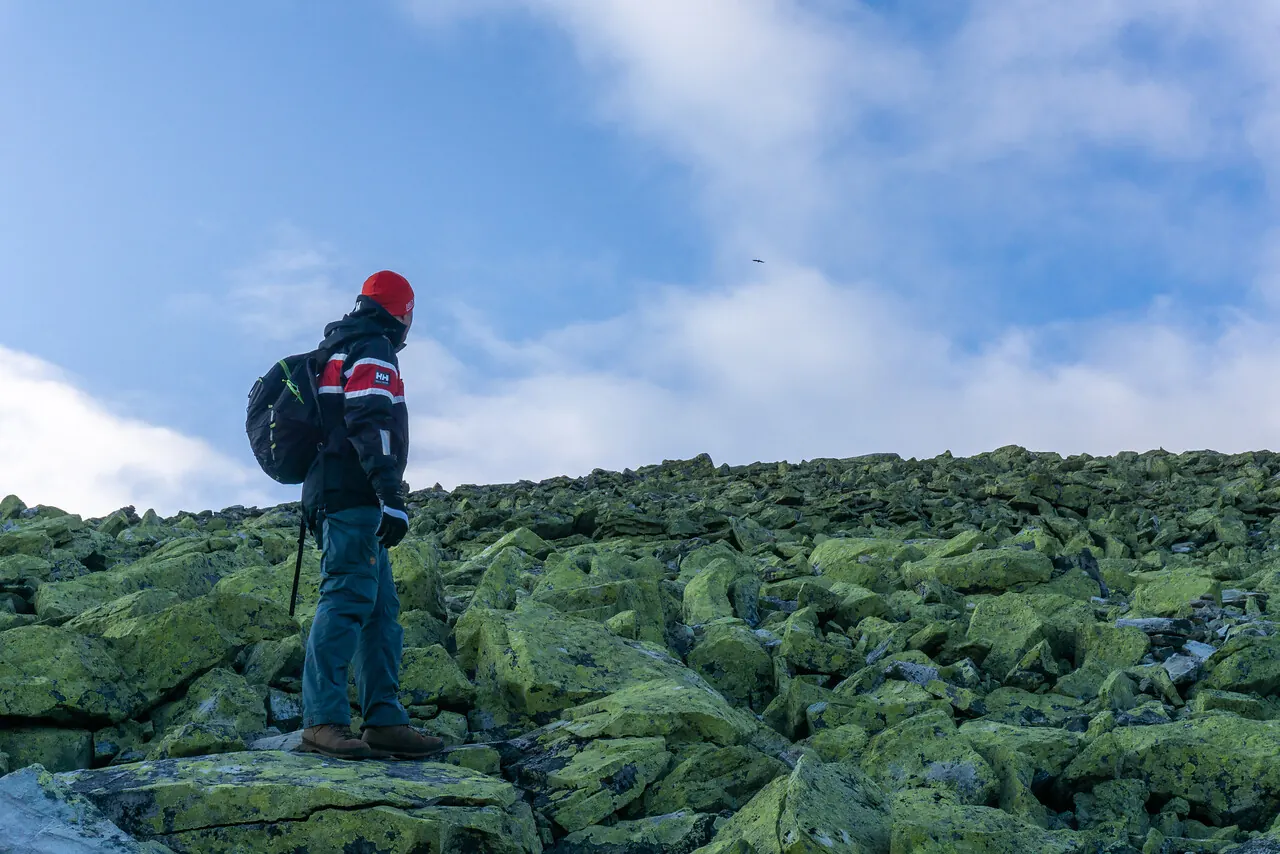
Strictly speaking, you can drive Rondanevegen in a day. However, we believe it is best enjoyed slowly. The road passes trailheads for hikes into Rondane National Park — Norway’s oldest national park, renowned for its many peaks rising above 2 000 meters.
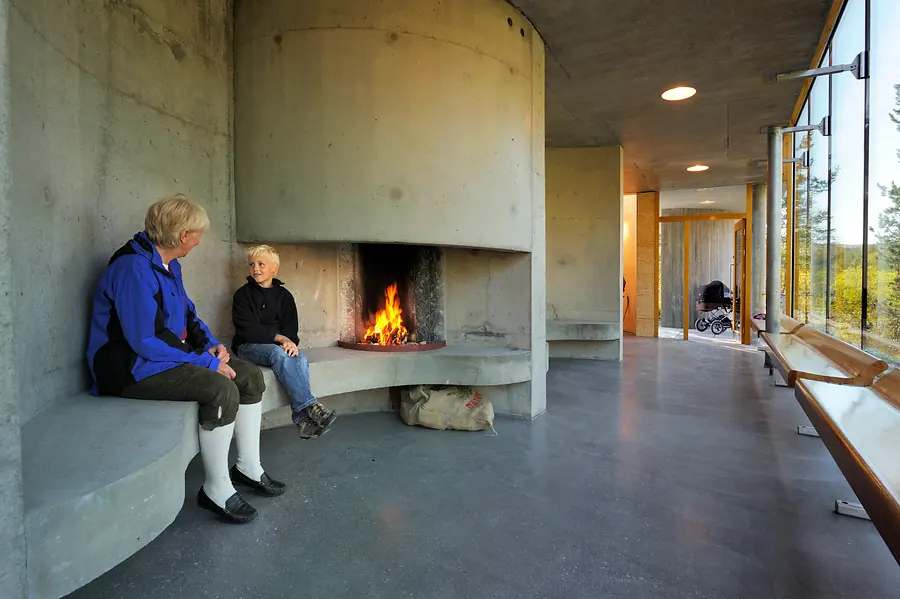
Many walks are possible from Strømbu Rest Area, a popular starting point for families. And don’t forget the villages! Staying at a guesthouse or farm along the route allows you to experience local rhythms: watching hay being cut in summer meadows, sharing meals with hosts, or joining in traditional activities like horseback riding on Icelandic horses.
There are plenty of reasons to get out of the car. Here are some of the activities available:
Summer
- Hiking
- Biking
- Canoeing
- Fishing
Winter
- Downhill skiing
- Cross-country skiing
- Skating
- Snowshoe hikes
Why Rondanevegen Matters
For travelers curious about life beyond Norway’s famous fjords, Rondanevegen is a reminder that small communities are the backbone of the country. This route tells the story of how Norwegians have balanced farming, forestry, mining, and mountain life for centuries.
— Torill Tjeldnes, Managing Director, Rondanevegen tourism networkPeople from all over arrive here by car and bicycle, drawn along the scenic Rondanevegen that has placed this region firmly on the map.
“We are delighted to see more people discovering our area,” she says with a smile.
Rondanevegen is a perfect example of the saying “It’s the journey. Not the destination”.
More information about the route can be found at nasjonaleturistveger.no.