Norwegian Fairytales – Asbjørnsen and Moe
Trolls, princesses, and the cheeky underdog
ONCE UPON A TIME: The Norwegian universe of trolls, princesses, mythical creatures and cheeky underdogs is one that has been treasured for generations of children. But if it hadn’t been for two young men with a passion for magical stories in the mid-1800s, the famous Norwegian fairytales might have been lost.
The Keepers of the Tales
By the fireplace hundreds of years ago. Tucked sweetly in their beds today. The Norwegian folk tales have mesmerized kids – and probably scared them a bit – for ages. And will continue to do so.
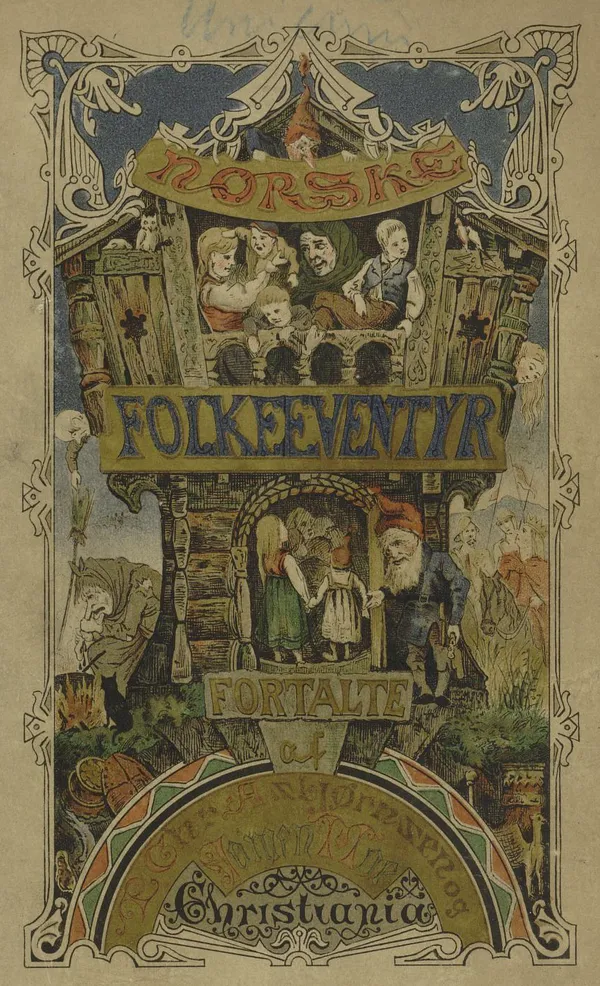
Two young men that lived a long time ago became keepers of the Norwegian fairytale treasure. Peter Christen Asbjørnsen (1812–1885) and Jørgen Moe (1813–1882) met as teenagers at school in Hønefoss and became dear friends. They had a mutual interest in the old folk tales that had been passed on for generations by word of mouth. When Asbjørnsen and Moe were in their mid-20s, they decided to collect and preserve the Norwegian fairytales. Armed with pencils and notebooks they travelled the south of Norway and listened to tales of magic, fear, morality, myths, and dreams about gold and beautiful princesses.
After the fairytales were put in writing, they published the first collection of Norwegian folk tales between 1841 and 1844. These collections were later translated into several languages and spread all over the world. The characters of Norwegian folk tales became well-known for a large audience.
When it comes to the Asbjørnsen and Moe collection, there are a variety of creatures and figures – but here are a couple of fascinating beings.
The Trolls
Oh, the trolls – we cannot talk about Norwegian fairytales without talking about trolls. These night creatures can be gigantic, roaming the mountains and forests. They can also be small, lurking around. One eye or several – one head or two. Or three. Trolls come in many shapes and sizes, but most of them have a taste for human flesh and a hang-up with princesses.
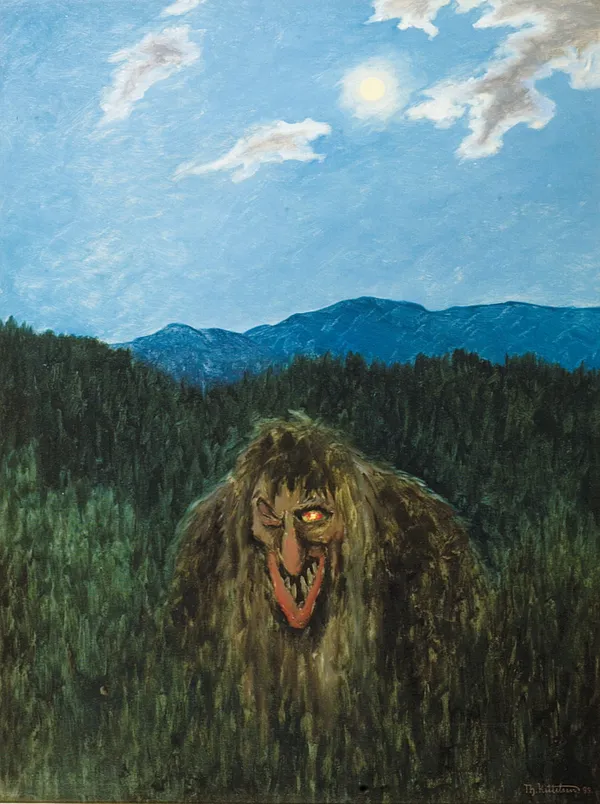
Not much can scare a troll. They are at the top of the food chain, as you can imagine. There is one thing the trolls fear, though. Sunlight. A ray of sun will turn a troll into stone instantly. The faces and bodies of the less careful trolls can still be seen in the hillsides, rocks and mountain silhouettes of Norway.
Askeladden – the Ash Lad
Once upon a time, a poor farmer had three sons. The youngest was called Askeladden, because he played with the ash in the fireplace. He was one that nobody expected much from and seen as lazy, dumb and naive.
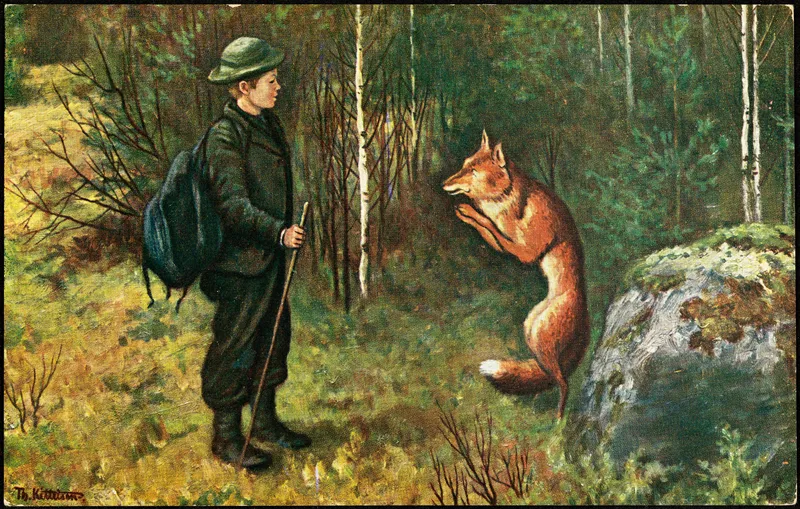
But Askeladden became a force of nature within the universe of Norwegian folk tales. A hidden force, trying to impress no one and not afraid to think outside the box. He sees most things in a different way than the majority, and while often mocked and made fun of, he is happy-go-lucky and friendly to everybody. His brothers laugh at him and his weirdo ways, but Askeladden achieves it all. He outwits witches, trolls, and grumpy kings – and he ends up winning the princess and half the kingdom. Askeladden is the true underdog that wins the big prize. We all love those stories, don’t we?
Three Billy Goats Gruff
If you are a kid in Norway, there is an overwhelming chance that you have experienced a grown-up playing the troll under the bridge, shouting “Now… I’m coming to… GET YOU!!!”. Most often resulting in a laughing, squealing child.
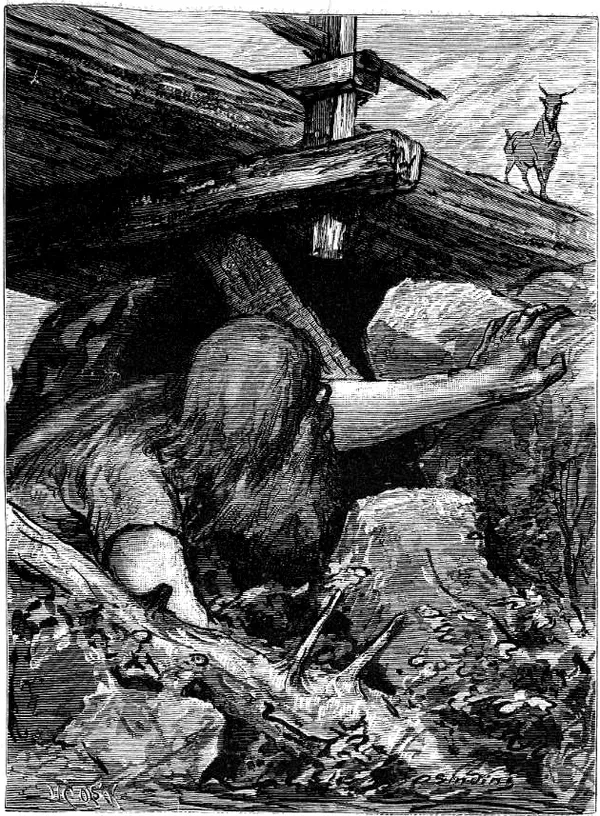
Three Billy Goats Gruff is one of the most well-known fairy tales in the country. In short, the three goat brothers had to cross a bridge to reach the meadow with all the delicious grass. The problem was, of course, a nasty troll living under the bridge, threatening to eat them. The first and smallest brother manages to convince the troll to eat his bigger brother instead – much more meat there. He is allowed to cross the bridge. The same thing happens when the middle goat arrives – he recommends the troll to wait for the biggest brother. When the largest billy goat arrives, he is not scared of the troll whatsoever. On the contrary, he challenges him and ends up killing him. All is good and the three billy goats can feast on juicy grass all they want.
This fairy tale is most often told in a very specific and repetitive way that has a way of charming little kids. At least if the storyteller gets into it, with a tiny goat voice and a big, scary troll voice.
Norwegian fairytales are an important and defining part of Norwegian culture, and to this day they are kept alive by children everywhere.