Norway’s Easter Crime Obsession
How a fake headline, long holidays, and milk cartons created Scandinavia’s most unlikely literary tradition
This might just be Norway’s most unusual Easter tradition. And the most blood dripping! While many associates Easter with chocolate eggs and family dinners, Norwegians add something extra to the mix: murder mysteries.
The Shocking Headline That Started It All
On Saturday, March 24, 1923, the day before Palm Sunday, readers of the newspaper Aftenposten woke up to a dramatic front page:
“Bergenstoget plyndret inat!”
“The Bergen Train Robbed Last Night”
People were stunned. Had something terrible happened?
Well… not exactly. The headline turned out to be a brilliant marketing stunt. It was actually an ad for a crime novel with the same title, written by two students, Nordahl Grieg and Nils Lie.
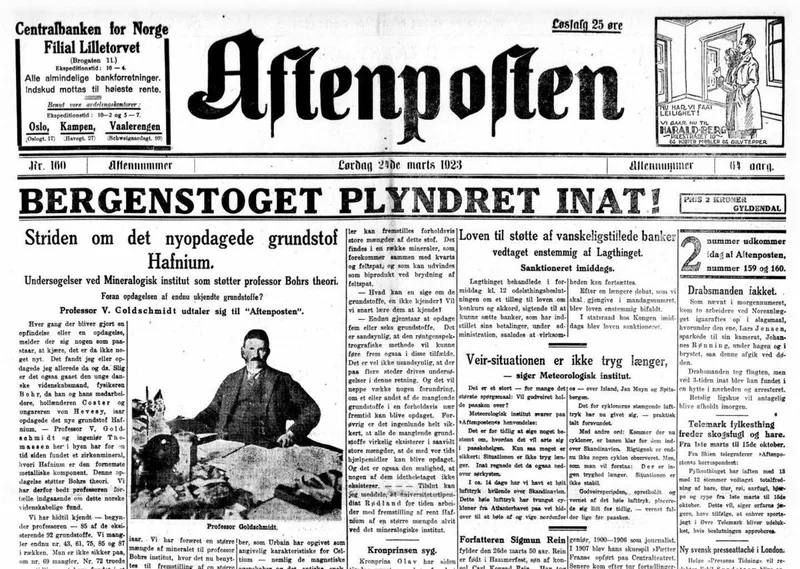
The campaign worked so well that people all over Norway were talking about it. And reading the book! And just like that, a murderous little tradition was born.
From Stunt to National Habit
The idea of reading crime stories during Easter didn’t take off overnight. But it slowly grew. By the 1930s, newspapers were already noting that “Just before Easter, it’s the time for crime novels.”
Still, it wasn’t until the 1950s–70s that the tradition really stuck.
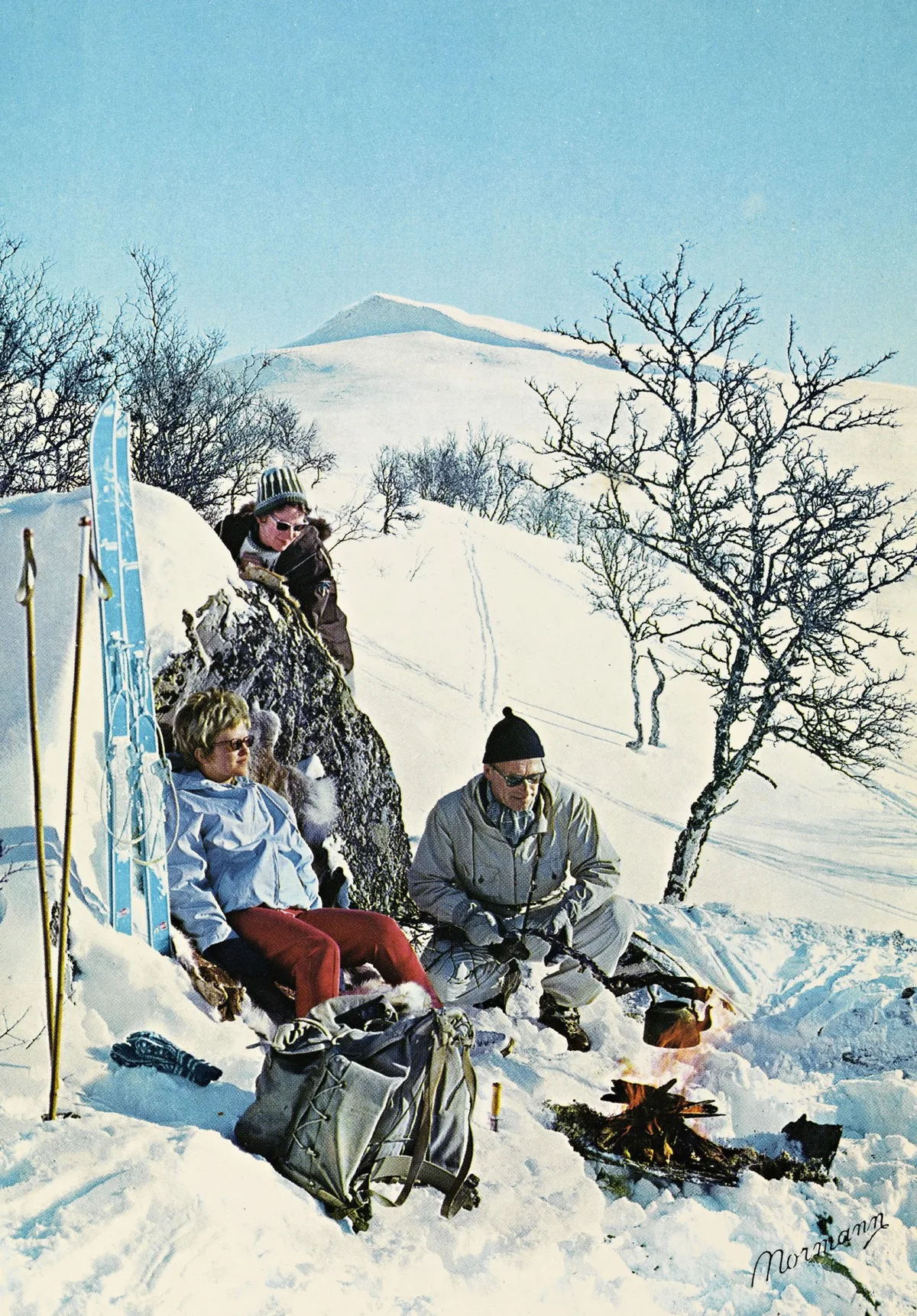
There are many reasons why. Firstly, Norway has one of the longest Easter holidays in the world. That means lazy days with loads of hygge and relaxation. And also perfect for getting lost in a gripping story. Back in the days (as now) Norwegians would pack their Easter mountain bags with paperback novels, light in both weight and content. There was no radio or TV, so entertainment often came in the form of books. The kind of books you’d happily enjoy on holiday, but wouldn’t necessarily consider “highbrow” enough to keep on your shelf back home. Like an exciting murder mystery.
When Everyone Listened to the Same Thing
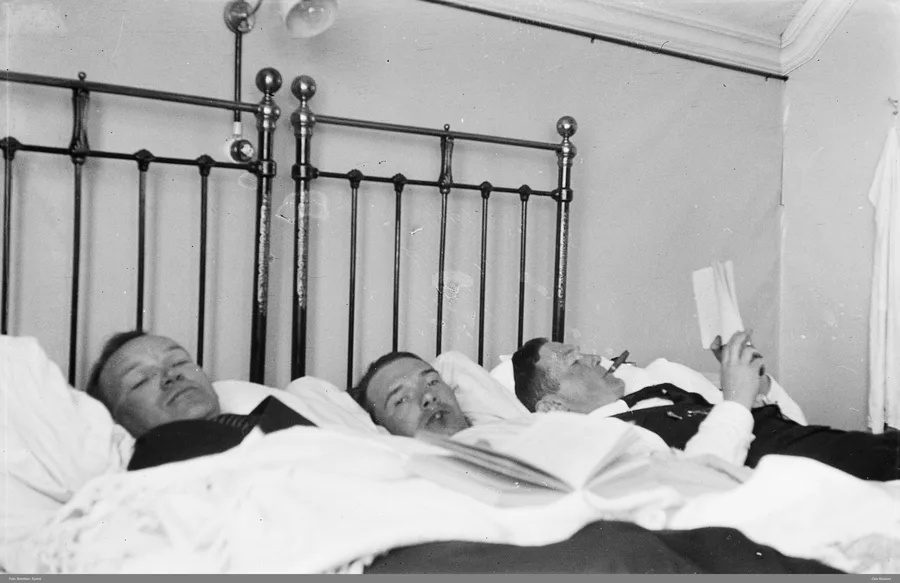
Before 1981, Norway had only one broadcaster: NRK. This meant that everyone watched the same TV and listened to the same radio. So when NRK started airing crime radio dramas during Easter, it became a shared national experience. And the Easter crime tradition became even more reinforced.
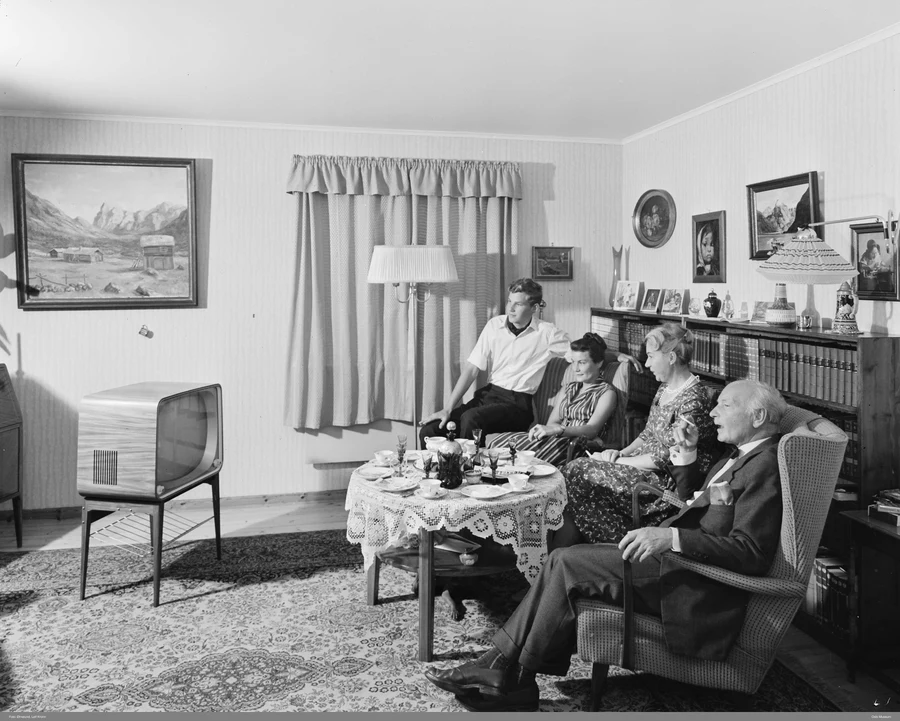
One of the early highlights was a radio adaptation of The Third Man by Graham Greene, aired over several days during Easter week.
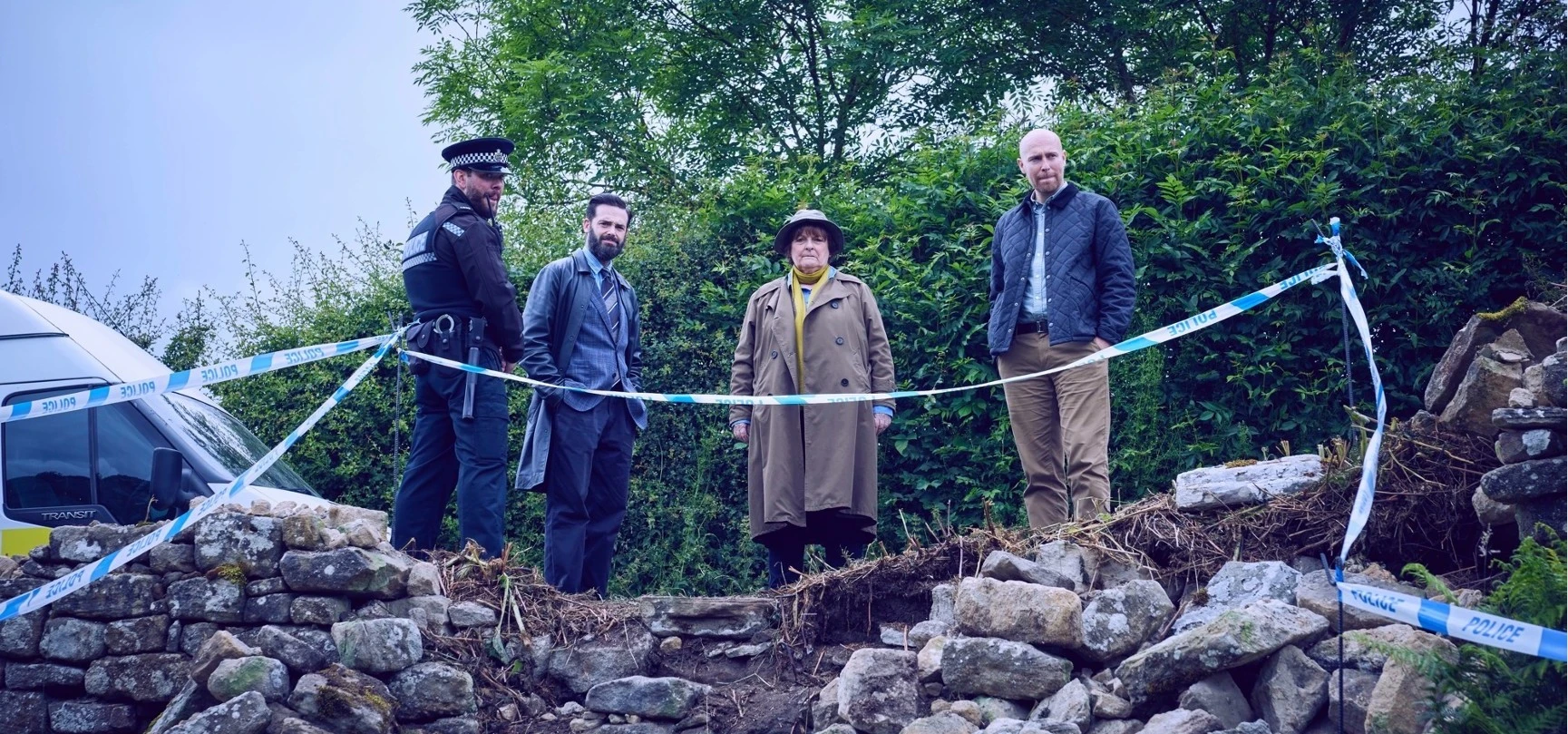
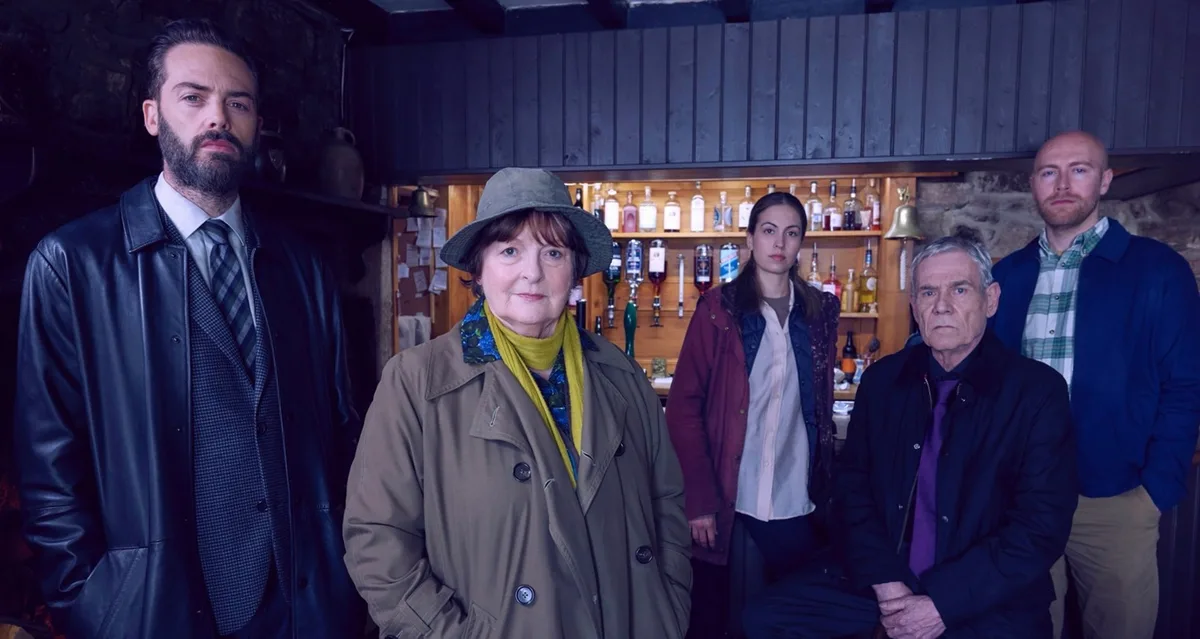
By 1966, NRK brought the tradition to television. It stuck. Norwegians loved the Easter crime drama and still do. For decades now, Easter crime dramas have been a staple on Norwegian screens. Often the crime shows are featuring classy British detectives; it seems to be a clear favourite. If you turn on NRK during Easter, chances are you’ll end up in a windswept British village with a slightly grumpy detective and a suspiciously high murder rate.
Mysteries on Milk Cartons and Crimes for Kids
Oh yes. It doesn’t stop there. The term “påskekrim” (Easter crime) now covers more than books, radio and tv. Påskekrim might also be criminal short stories, comics and much more.
And even crime riddles printed on milk cartons by Tine! Because why not solve a mystery over breakfast?

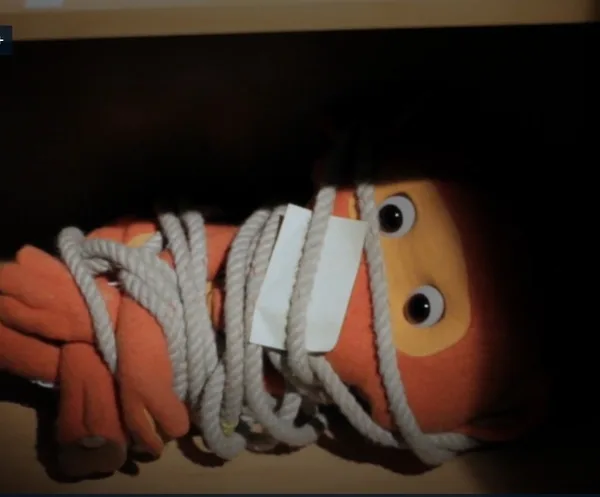
Even the kids get their own Easter crime! In the children’s channel NRK Super, mystery stories are shown every day during Easter. Who sabotaged the cabin trip? Who stole the mascot? Who ate all the chocolate eggs? Clues are dropped, and the kids can try to solve the mysteries. The music is suspenseful, the lightning is darker and the conflict level is often high. In other words, learning to enjoy a chilling Easter mystery starts early in Norway!
Still Perfectly Timed
A century later, the timing hasn’t changed — only the scale.
In March 2026, Netflix released Jo Nesbø’s Harry Hole, once again putting Norway’s most famous crime detective in the international spotlight. All episodes dropped just days before Easter — exactly when Norwegians are most ready for crime.

It’s hard not to see the parallel. In 1923, a fake newspaper headline turned a crime story into a national obsession. Today, a global streaming giant does much the same — releasing its biggest Norwegian crime series at precisely the right moment.
What began as a clever illusion in print has become a carefully orchestrated release strategy.
So this Easter, whether you reach for a yellowed paperback, tune into a familiar NRK crime serial, or open Netflix to the latest Harry Hole, you are taking part in a tradition over a century old.
God påske!
Happy Easter!
Sources
- Påskekrim — Norsk Folkemuseum
- Påskekrim — Wikipedia
- Påskekrim — Store norske leksikon
- Påskekrim — NRK
- Den norske Bokhandlerforeningen
- Jo Nesbø’s Harry Hole — Netflix (2026)
- VG — Norwegian media coverage of Easter crime streaming (2026)