Daisies – Loves Me, Loves Me Not…
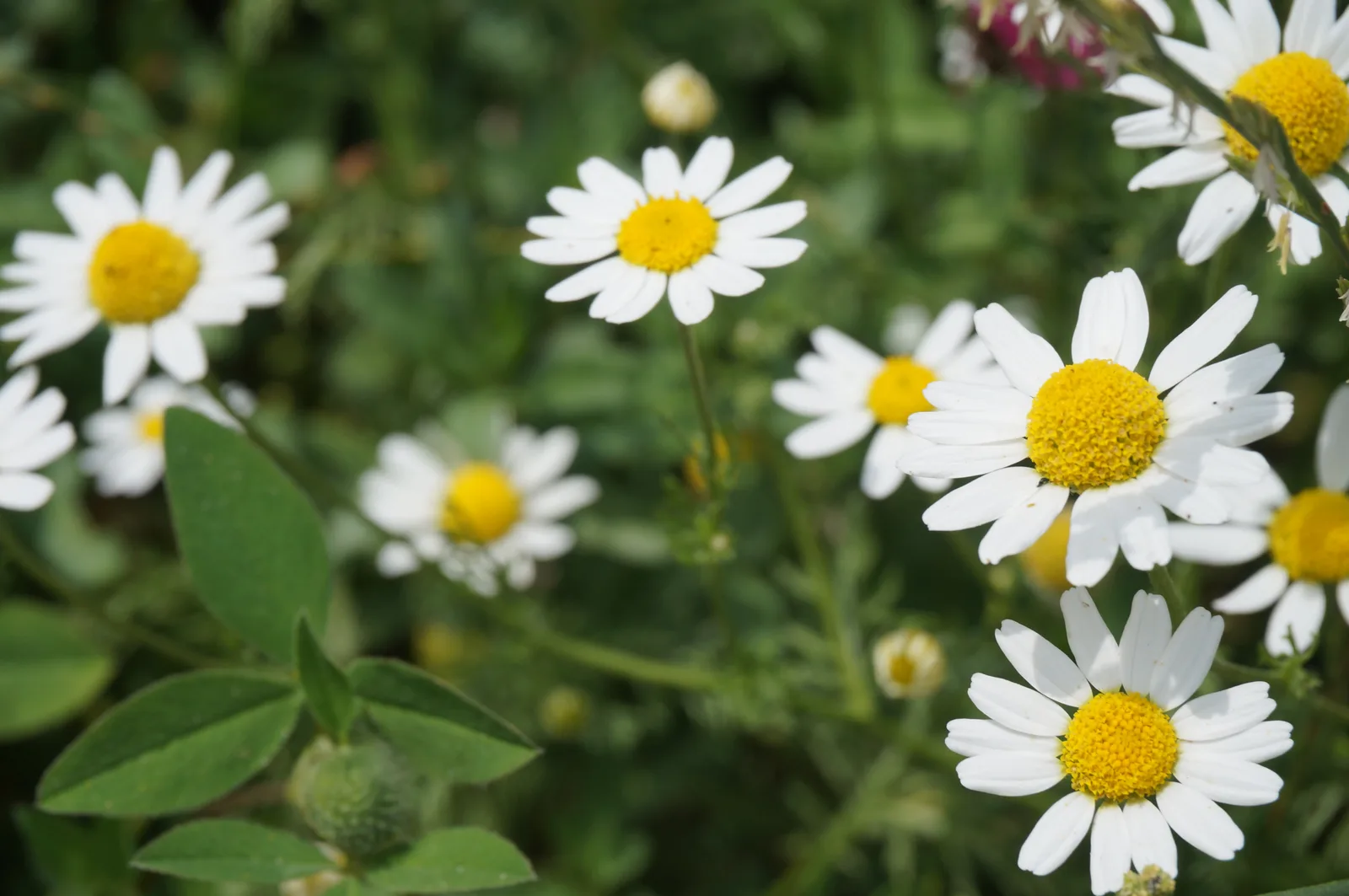
Countless young hearts have plucked the petals of the daisy with someone special in mind. For many Norwegians, this is the ultimate summer flower. Though sadly, it’s no longer as common as it once was.
In the old days, daisies were abundant in dry meadows and pastures, even as far north as Finnmark. But with those habitats disappearing more and more, you’re more likely to spot them growing along roadside verges today.
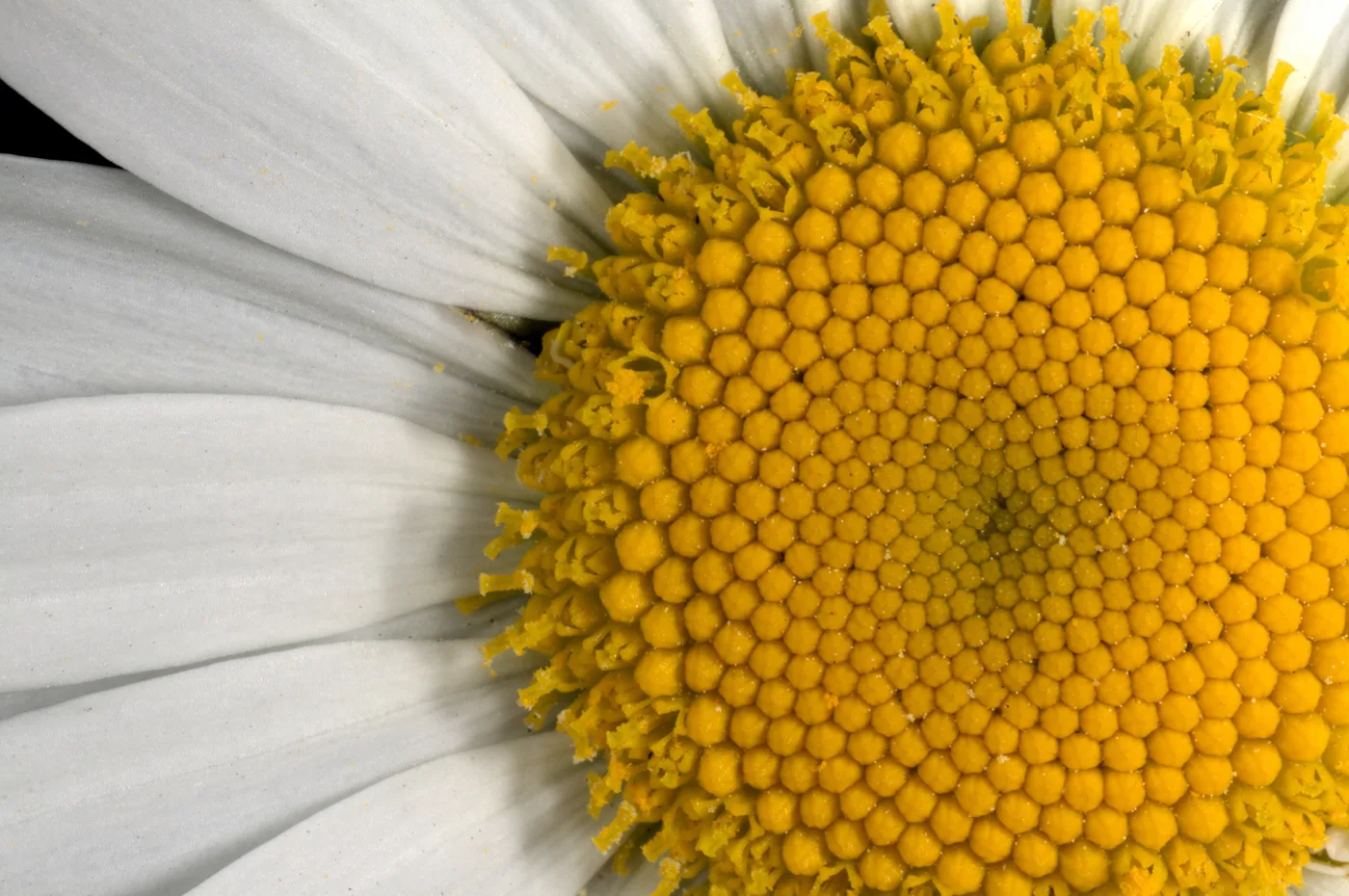
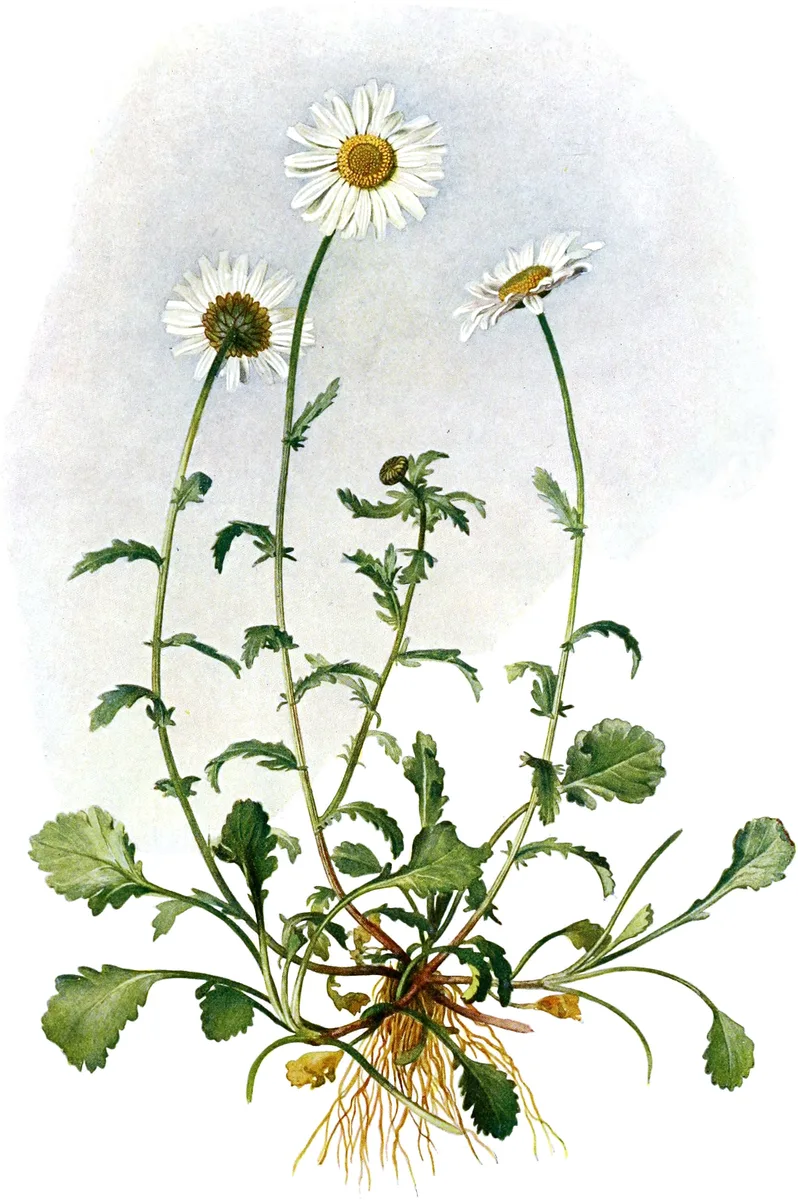
Standing tall at 20 to 70 centimetres, the oxeye daisy takes its time to settle in. So don’t pull it up by the roots. Pretty please. It plays an important ecological role by attracting pollinators like bees and butterflies.
From Folk Remedy to Modern Science
In folk medicine, the daisy was used to treat certain pains. It’s especially known for its diuretic and antispasmodic properties.
Modern research has shown that the daisy contains active compounds like flavonoids and polyynes, which may benefit your health. For example, it can help relieve respiratory symptoms and support the immune system. But if you’re pregnant, skip the daisy tea. While generally safe, high doses can cause nausea.
Thor’s Flower and Other Magic
Long ago, the flower was linked to the Norse thunder god Thor and believed to offer powerful protection against lightning strikes. People would carry a plant during storms or hang the flowers in barns to protect their hay from catching fire. That would be a real catastrophe.
There was even a superstition that a daisy should never be brought into a home where an unmarried woman lived – or she’d never marry. And that was quite a curse back in the day!
Both the leaves and flowers are edible, though the leaves can taste a bit sharp. The blossom, however, makes a cute decoration for cakes or dishes. Nutritionally, the oxeye daisy offers a dose of vitamin C, along with potassium, magnesium, and antioxidants.
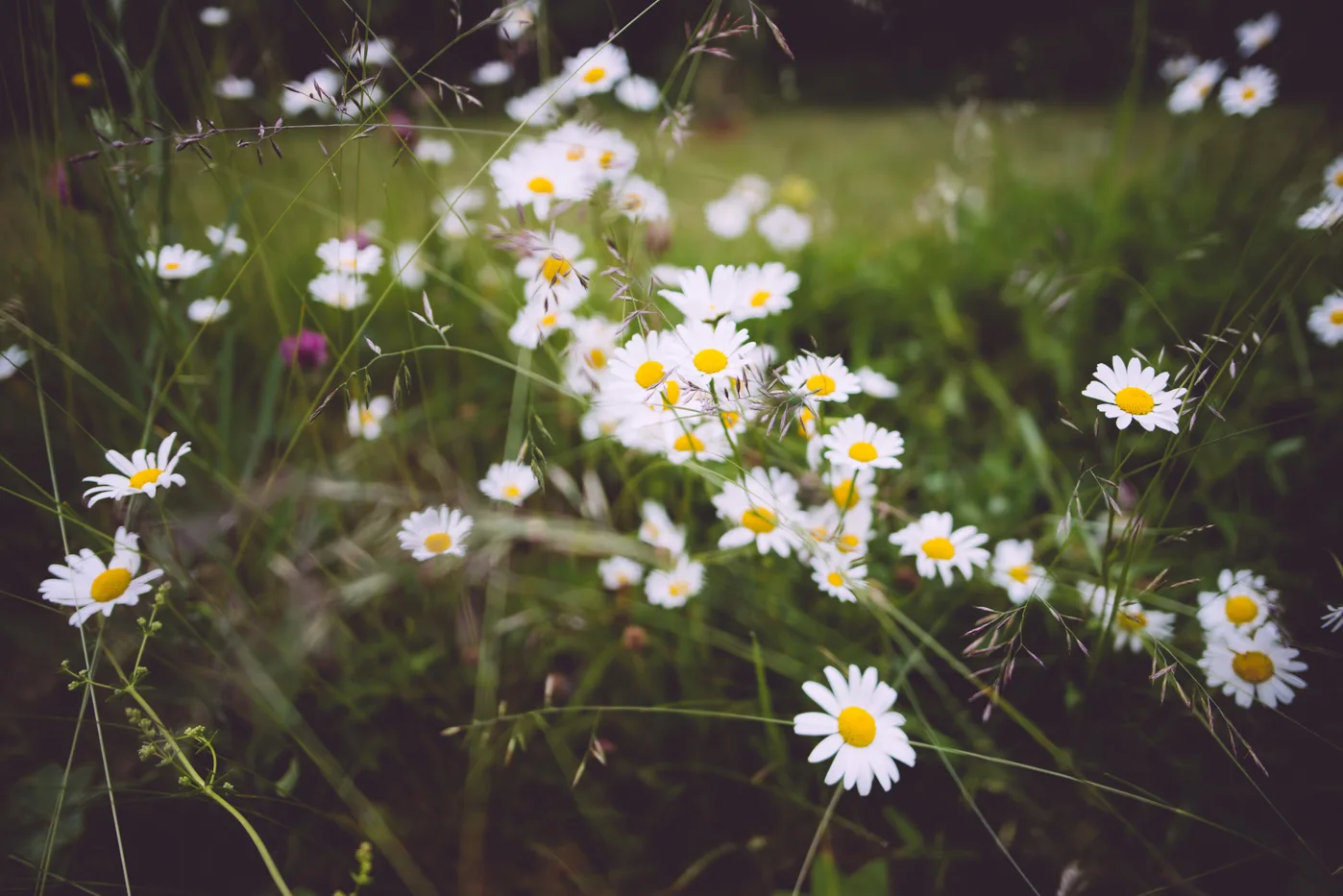
But besides all of it. The daisy is so darn pretty. Romantic. And nostalgic. No wonder it’s considered one of the most beautiful wildflowers!