Brewing Beer with Deep Norwegian Roots
Kveik, tradition, and Setesdal soul in every sip
BYGLAND: A small brewery is making big strides forward, and its secret to success lies in rediscovering nearly forgotten Norwegian traditions. Master brewer Torkjel Austad discovered the power of kveik—a uniquely Norwegian brewing yeast with ancient roots. Today, Bygland Brewery crafts a wide variety of beer styles all using kveik, and its labels are works of art rooted in the culture of Setesdal.
International, but Rooted Locally
Torkjel, the founder of Bygland Brewery, has traveled the globe several times over, but the roots of Setesdal remain ever-present in his heart. Drawing inspiration from the region's culture, Torkjel has incorporated traditional expressions from Setesdal into his beer production—even naming his brews after local dialect words and legends.
He has had a passion for brewing for a long time. Oh, and travelling.
– I've always enjoyed tasting local beers when traveling, Torkjel says. He has lived for several years in Japan and visited over 70 countries.
– It made me realize that what we call Norwegian beer is actually quite foreign, made with international recipes and ingredients. So, what happened to authentic Norwegian beer?
This question spurred Torkjel's deep dive into brewing traditions.
Tradition and Kveik — Norway's Super Yeast
As Torkjel delved into traditional Norwegian brewing, he stumbled upon a forgotten treasure: kveik. This "super-yeast," once nearly lost, wasn't something you could buy in stores.
– An older gentleman in the area taught me traditional brewing, Torkjel says with enthusiasm.
– What we discovered was that many traditional brewers had preserved their own yeast strains instead of succumbing to the convenience of store-bought yeast. This yeast, known as kveik, produces fantastic beer and works exceptionally fast. It ferments at high temperatures, making the process much quicker and more energy-efficient compared to traditional yeasts.
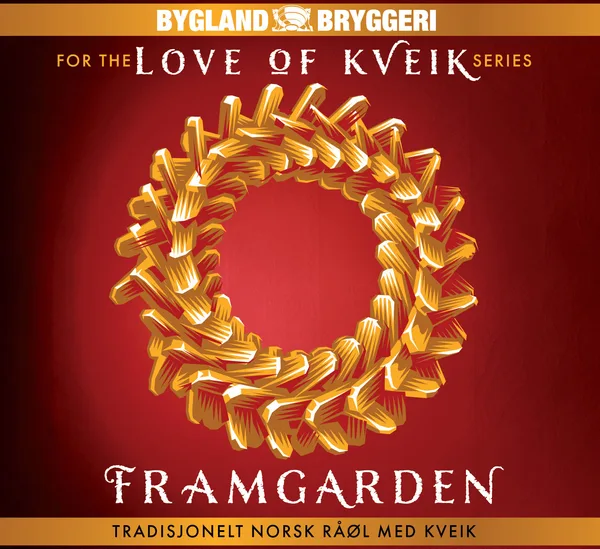
Kveik strains, shaped by Norway's fjords, lakes, mountains, and valleys, evolved uniquely depending on their geographic origins. These genetic differences lend distinct flavors to beer brewed with kveik from various regions. Local ingredients, like hops, herbs, and juniper, further enhance the brews with a distinctive Norwegian character.
Juniper, in particular, has become a favorite ingredient at Bygland Brewery, often featured in their beer varieties.
Kveik — Norway's Ancient Super Yeast
Kveik is a family of Norwegian farmhouse brewing yeasts passed down through generations. Unlike commercial yeasts, kveik ferments at high temperatures (up to 40°C) and works exceptionally fast, often completing fermentation in just 2–3 days. Each farm's kveik strain has a unique genetic profile shaped by local geography, producing distinct flavors that no laboratory yeast can replicate.
Beer Brewing for Ages
– Yeast might just be humanity's oldest domesticated organism, Torkjel notes with a smile.
Beer has been an integral part of cultures worldwide for centuries. Archaeological evidence from Mesopotamia's Euphrates and Tigris rivers shows that beer was brewed from grains over 6 000 years ago. In Norway, the ancient Gulating Law from around the year 1000 mandated (!) that farms brew their own beer for important events. Making beer was not a hobby; it was a community duty.
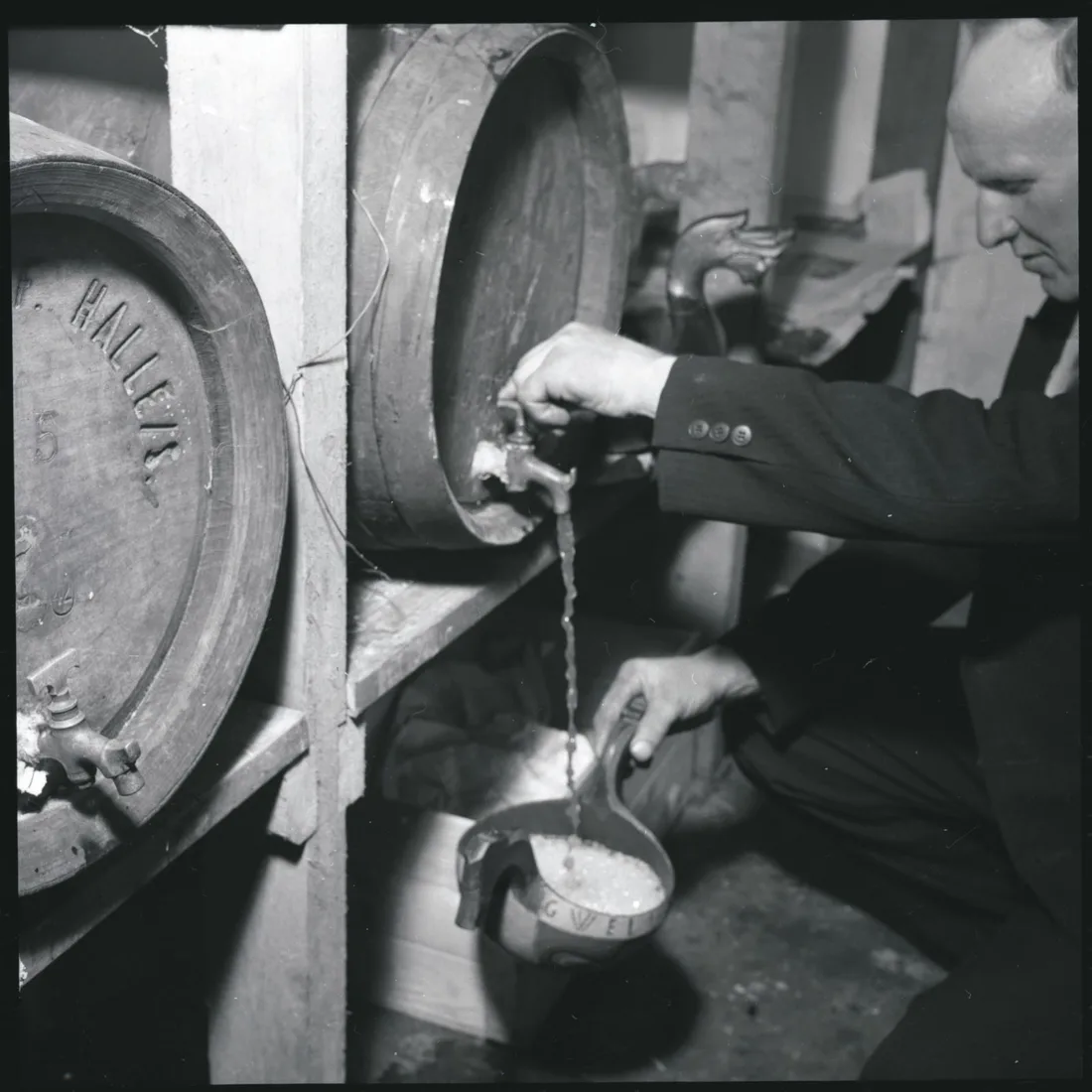
I discovered that we actually have one of the world's oldest brewing traditions, but it was almost extinct. Only a few places, like Voss, Hornindal, the Møre coastline, and Stjørdal, had kept it alive.
— Torkjel Austad
– Ever since humans transitioned from hunting and gathering to farming grains, beer has held a special role. It's been considered divine, used as currency, and central to many rituals. Even here in Norway, brewing was essential for celebrations like Christmas, weddings, funerals, and christenings, says Torkjel.
Strong Roots in Bygland and Setesdal
As a child, Torkjel spent time in Bygland, where his family originates. Though raised in Kristiansand, both his parents and extended family hail from Setesdal.

– As a kid, I didn't always appreciate all these traditions, but as I've grown older, I've come to value them deeply. Bygland and Setesdal have proud brewing traditions. For example, at the farm where my mother grew up in Austad, there are three old brewing vessels, one of which dates back to 1851. We still use one of them to brew our beer!
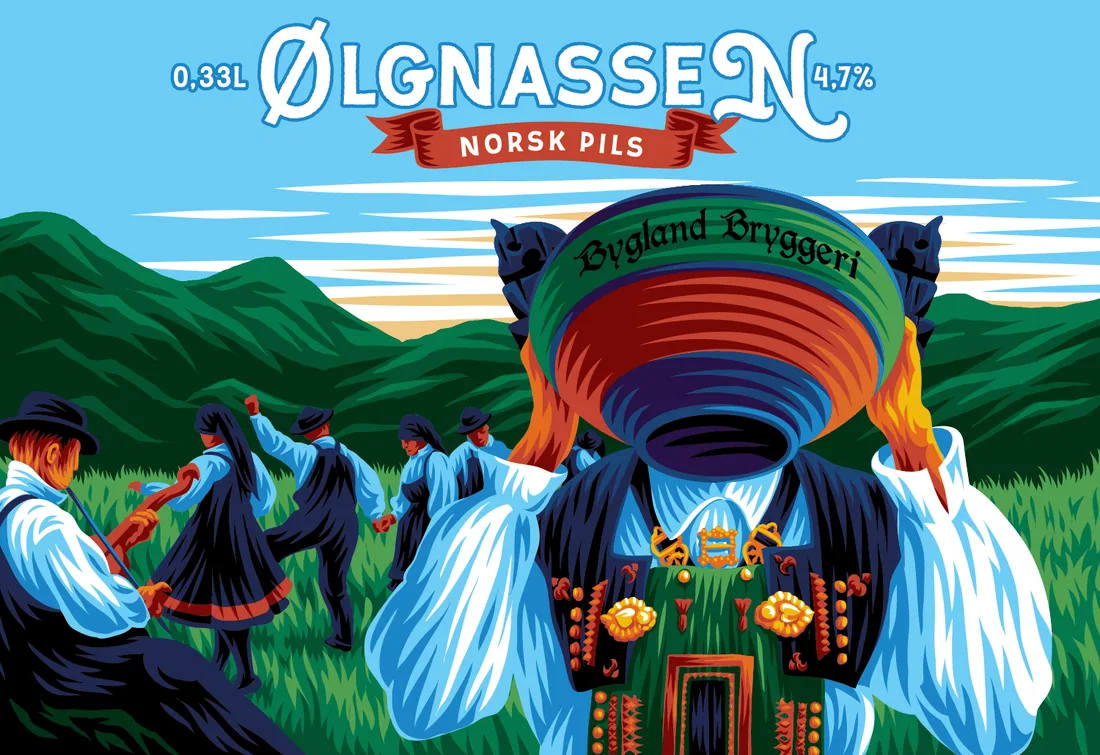
Torkjel is committed to honoring these traditions, reflected in Bygland Brewery's logo, which features a traditional beer bowl, as well as in the beer names and labels, all rooted in Setesdal culture. The brewery's motto, "Innovation with Tradition," perfectly encapsulates its essence, with products and branding deeply embedded in the cultural fabric of the region.
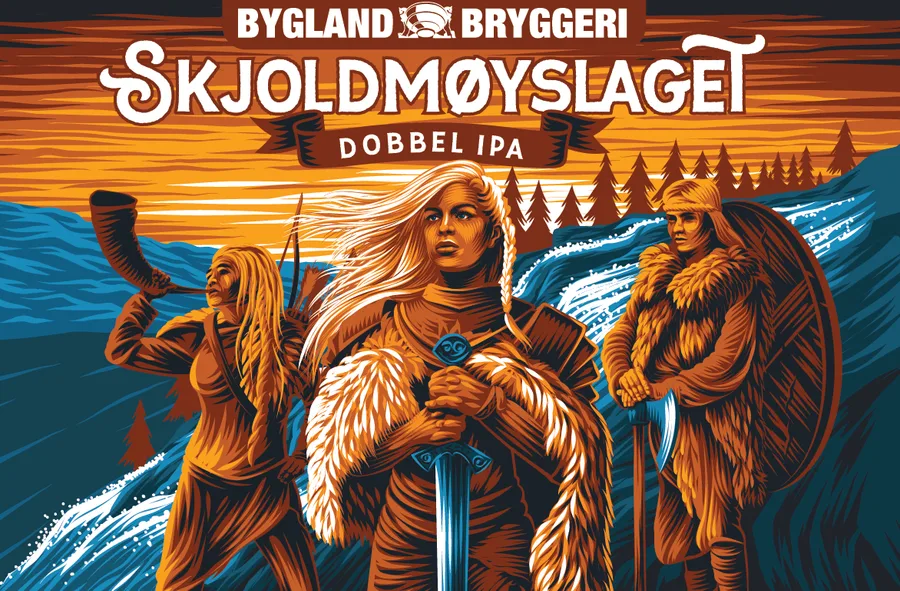
One example: the beer "Skjoldmøyslaget". The story goes like this: The Shield-Maidens once roamed the western highlands of Setesdal. By Reiårsfossen, with a view of Austad Church, they would often sit and play their horns. One particular Sunday, during a church service, their enchanting music reached the congregation, causing people to lose focus on the sermon. The local priest, enraged, cursed them, turning them into stone. To this day, along the ridge above Reiårsfossen, you can see a row of rocks that resemble women standing in a line.
– It's been so rewarding to spotlight Setesdal culture and revive nearly forgotten dialect words. Now they're part of common knowledge again—not just locally but beyond Setesdal.
More Artistic Beer Labels from Bygland Bryggeri
-
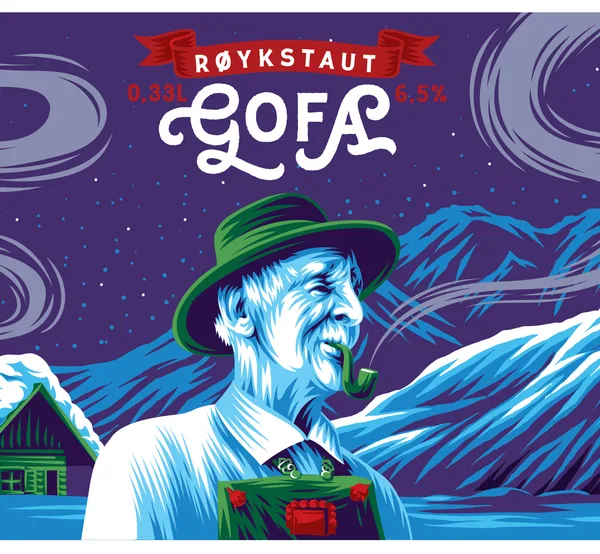
"Gofa" is the old word for "grandpa" in the Setesdal dialect
-
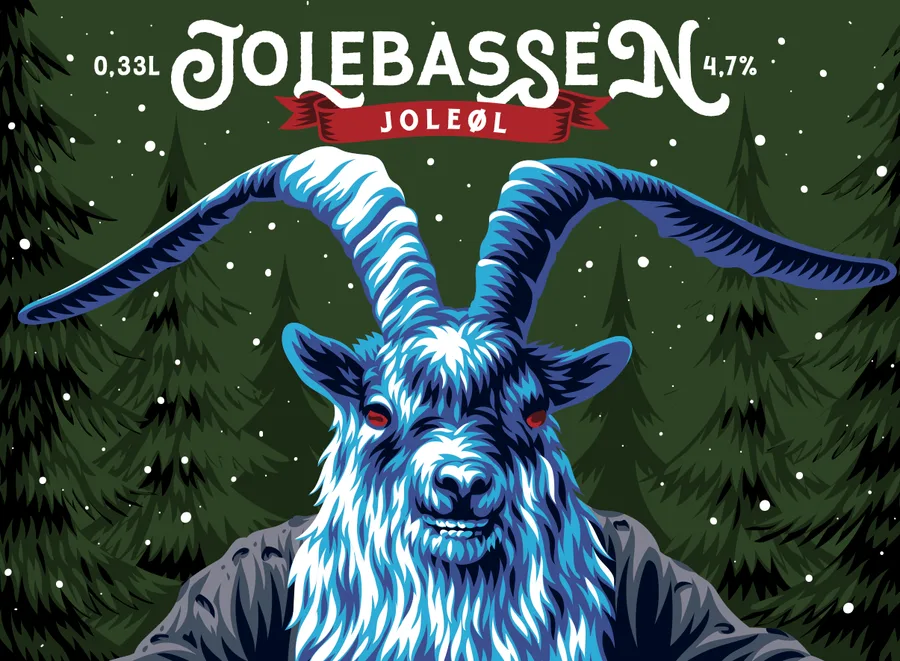
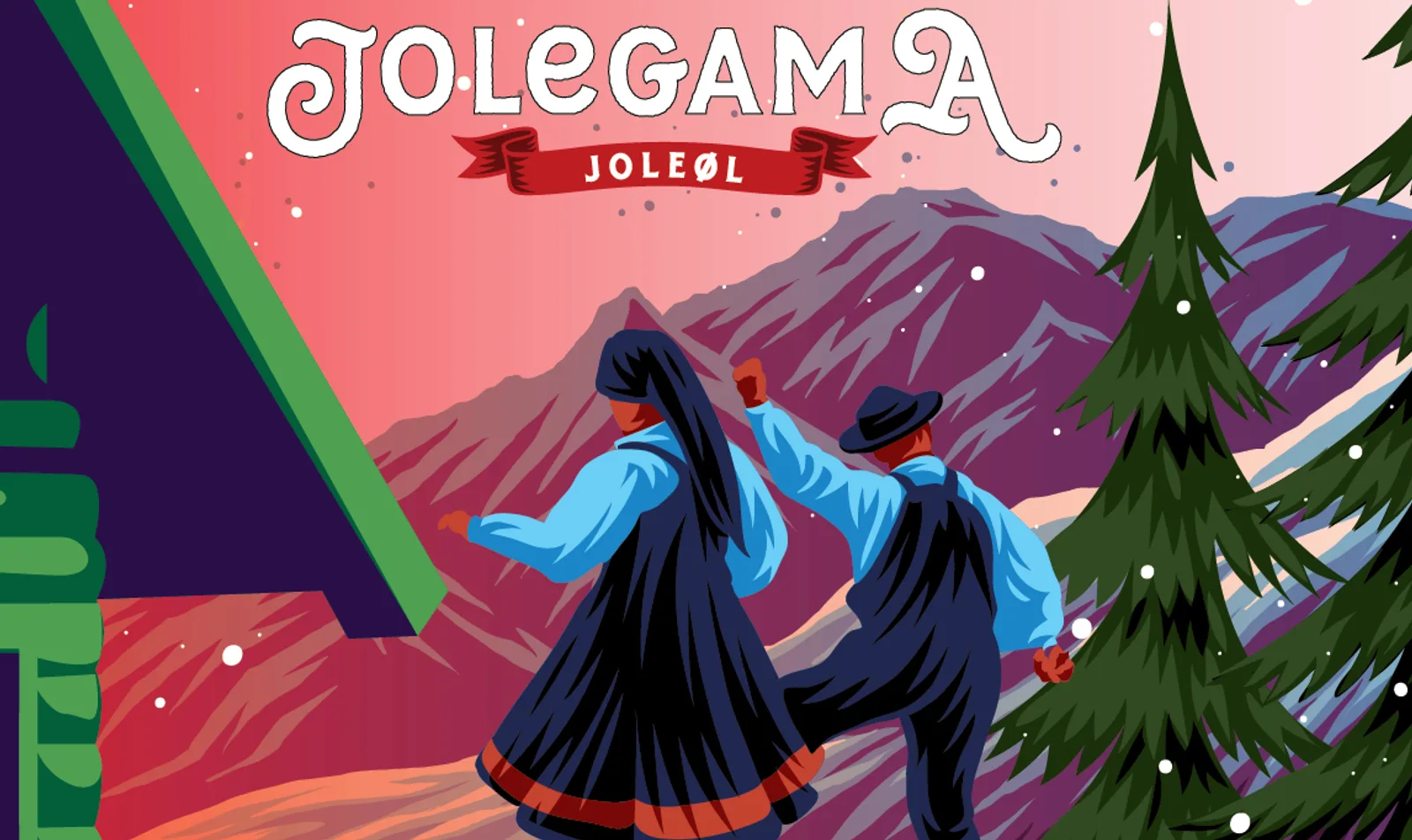
Christmas Beer, Bygland style
-
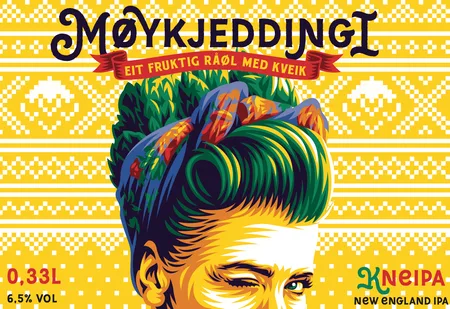
Møykjeddingi — another Setesdal dialect gem

Norway's Only Sake Producer
Blending innovation with tradition has led Torkjel to explore an ambitious new venture: sake production in Setesdal!
With a Japanese wife and years spent in Japan, Torkjel has a deep connection to the country. He traveled there to learn the ancient art of brewing sake, the rice-based alcoholic beverage rooted in Japanese culture. Sake is enjoyed worldwide and is seen as a versatile drink that pairs well with many cuisines, from fine dining to casual meals.
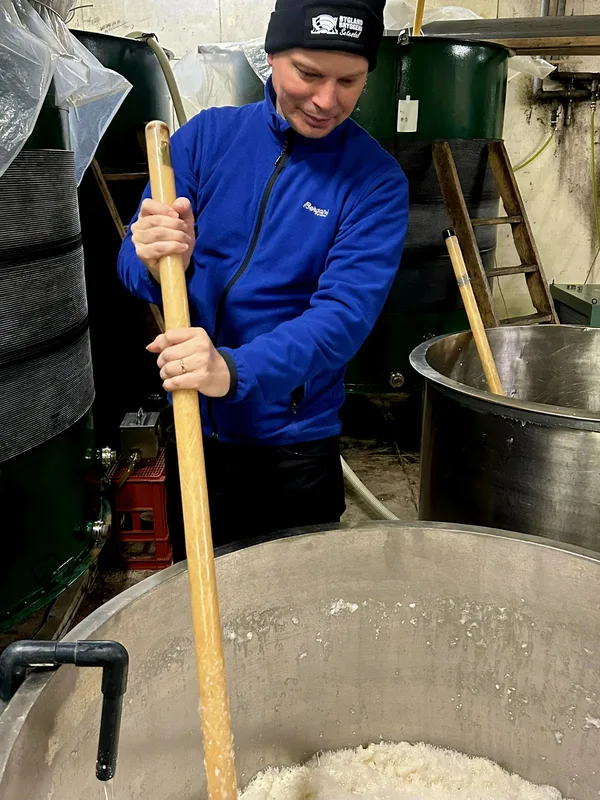
Bygland Brewery now plans to become the only sake producer in all of Scandinavia.
Looking Forward While Honoring the Past
Why not base beer and sake production in a more central location? For Torkjel, this was never a real consideration.
Tying our creations to tradition is one thing but creating something meaningful in a place that needs new initiatives, jobs, and attention—that's what truly gives me purpose. Building something where my roots are and where the region can benefit from it makes it all worthwhile.
— Torkjel Austad, founder of Bygland Brewery