Blossom Beware
Five poisonous plants in Norway
The Norwegian wilderness is generally safe to explore, but a few plants can cause serious harm. Nausea, vomiting, and, in the worst cases, death. Here are five to watch out for.
Norway’s Most Dangerous Plant
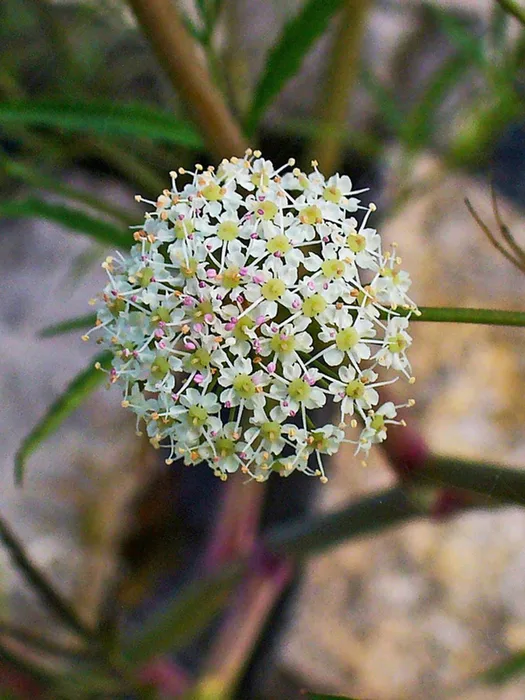
This plant is known as the most dangerous poisonous plant in Norway. There is no antidote, and even a small taste can lead to severe poisoning. The entire plant is toxic, but the root and lower stem contain the highest concentrations of toxins.
Northern water hemlock is a large plant, growing between 50 and 120 centimeters tall. It belongs to the carrot family and has a yellowish-red milky sap. It thrives near forest ponds, as it prefers nutrient-rich water.
Where in Norway: Most common in Eastern Norway, but can also be found in Southern Norway, Hordaland, Sogn, and Trøndelag.
Symptoms
Often appear within an hour of ingestion, sometimes as quickly as 15 minutes. They include vomiting, stomach pain, diarrhea, sweating and drooling, dizziness and lightheadedness, severe and prolonged seizures, unconsciousness, and difficulty breathing.
First Aid
Check for plant remnants in the mouth and remove any that are found. Provide a small amount of water to drink. Immediately contact emergency services (113) or the Norwegian Poisons Information Centre.
Beautiful but Banned
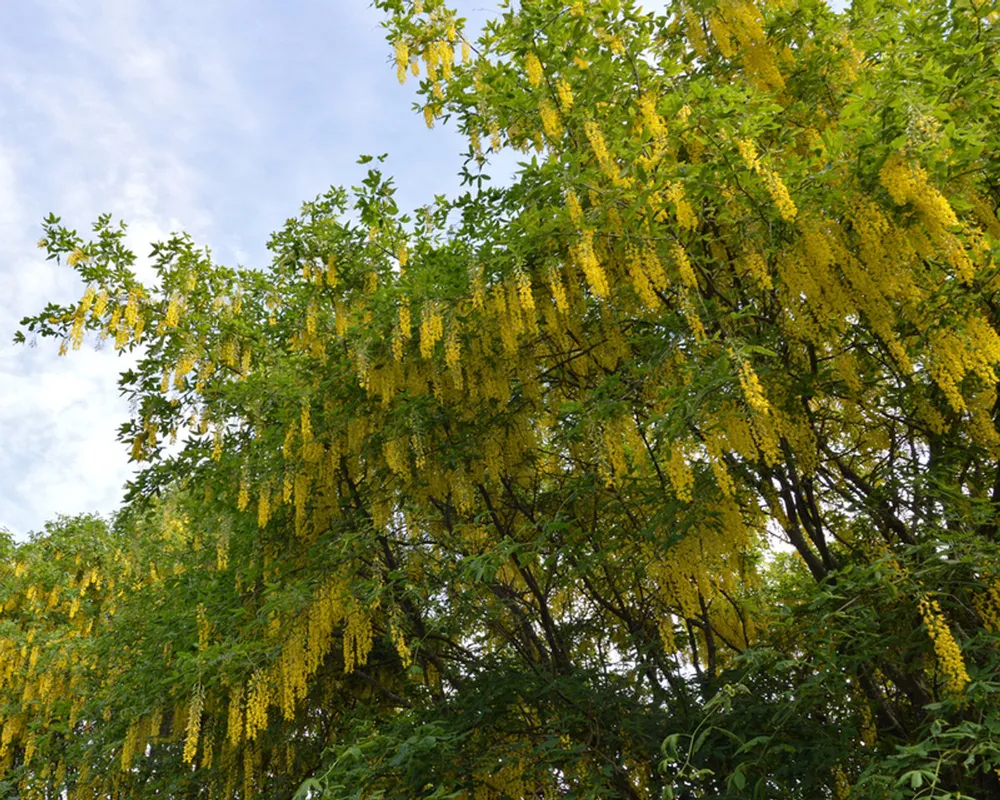
Ah, it’s so beautiful! Due to its spectacular blooming, golden chain tree has been a popular ornamental plant. However, Laburnum is one of the most poisonous plants in the country and can potentially be deadly. It is now banned from being planted, but those already present spread quickly. It grows as trees or small shrubs, and there are many types of Laburnum. In spring, it blooms profusely with clusters of yellow flowers.
The entire plant, especially the seeds, is toxic to humans and animals. This is particularly dangerous because the seeds in pods can be tempting to children.
Where in Norway: Mostly found in Oslo, Trøndelag, Vestfold, and Telemark, but it is also present along the entire coast up to Bodø.
Symptoms
Vomiting, dizziness, hallucinations, palpitations, and dilated pupils.
First Aid
Remove any plant remnants from the mouth and provide something to drink. Contact the Norwegian Poisons Information Centre immediately.
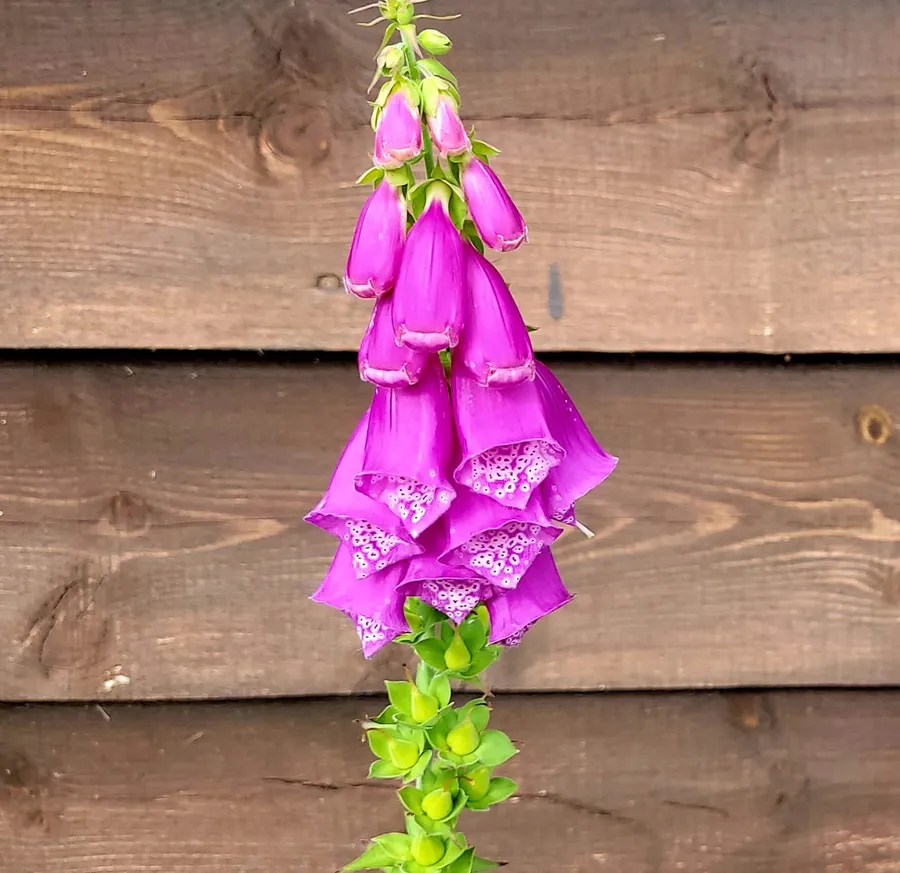
Lady’s Glove
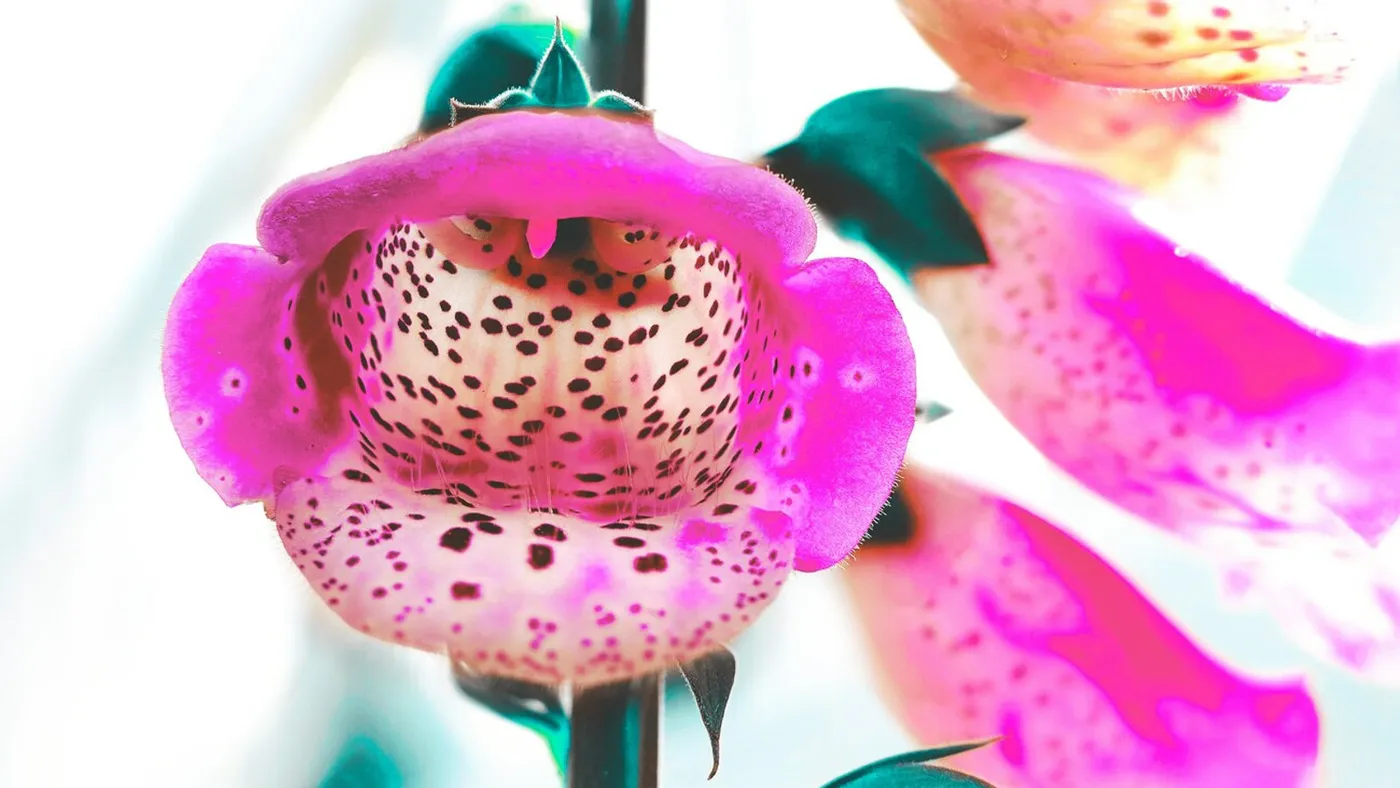
A favorite in Norwegian wildflower bouquets, but don’t eat it! Foxglove is renowned as an important medicinal plant in heart medicine back in the days. However, too much of a good thing can be dangerous, as the entire plant contains potent toxins.
The beautiful flowers are typically purple-red, and occasionally white or light pink. Foxglove often grows over a meter tall and is commonly found on roadsides and pastures. And more and more as garden flowers.
Where in Norway: Foxglove grows wild in coastal and fjord areas in Southern and Western Norway, up to Trøndelag.
Symptoms
Nausea, vomiting, slow pulse, visual disturbances such as altered color vision, and heart rhythm abnormalities. In large doses, the plant can be fatal.
First Aid
Remove any plant remnants from the mouth. Provide a small amount of water to drink. Contact the Norwegian Poisons Information Centre for further guidance.
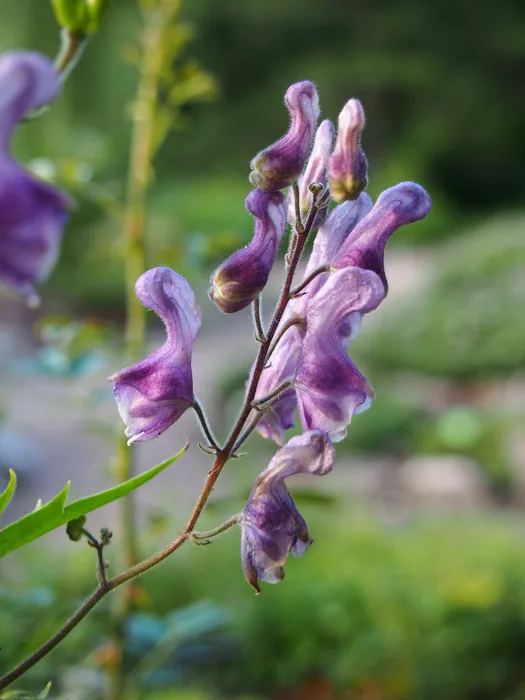
The Wolf Killer
This plant grows between one and two meters tall and has gray-blue, violet, and occasionally yellowish-white helmet-shaped flowers in long clusters. It typically grows in moist forests and slopes. In traditional medicine, Northern Wolfsbane was used in small doses as a pain reliever and to treat lice. As the name suggests, it was also reportedly used to kill wolves.
However, it doesn’t take much for this plant to become dangerous. The entire plant, especially the root, is toxic and contains the alkaloid lappaconitin.
Where in Norway: Found from Telemark to Troms, and in Western Norway—only at the innermost parts of the fjords.
Symptoms
Stomach pain, nausea, vomiting, diarrhea, heart complications, breathing difficulties, and muscle paralysis.
First Aid
Remove any plant remnants from the mouth and provide something to drink. If a child has ingested the plant, administer activated charcoal. Contact the Norwegian Poisons Information Centre or call emergency services (113) if severe symptoms occur.
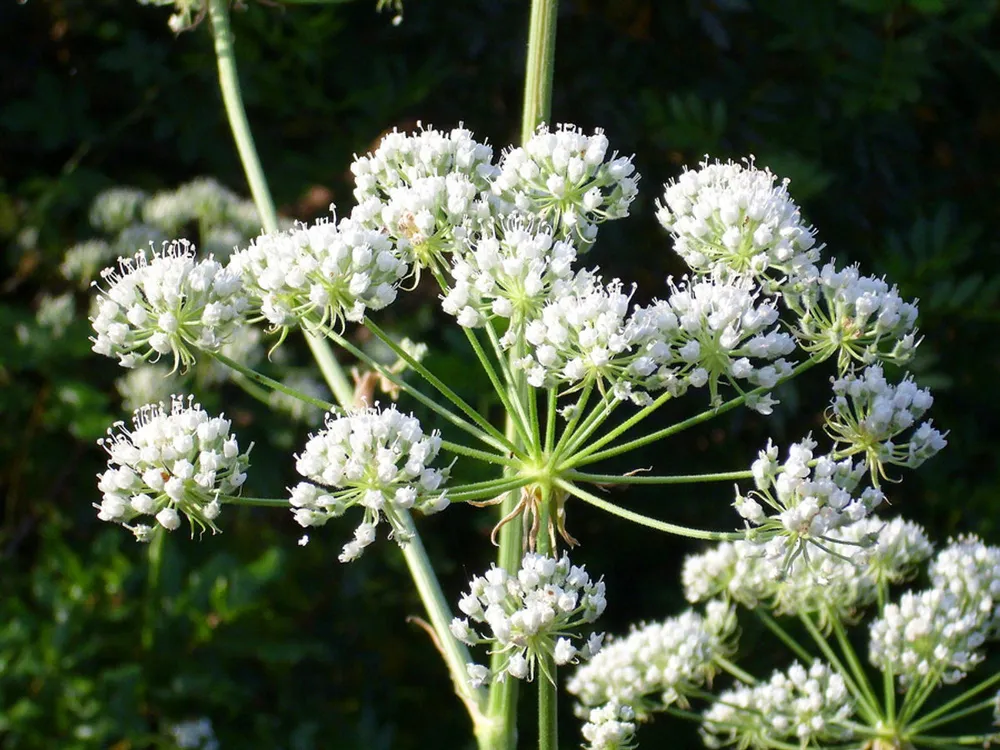
The Plant That Killed Socrates
Originally from the eastern Mediterranean, hemlock has spread to many parts of the world, including Norway. Here, the meter-tall plant is considered a weed. Its distinctive feature is the red-spotted stem, which sets it apart from similar plants.
It doesn’t smell good! Hemlock is extremely poisonous, containing the toxic alkaloid coniine. This is the plant reportedly used in ancient Greece to carry out death sentences, and it is said that Socrates himself was sentenced to commit suicide with hemlock extract. The entire plant is highly toxic, and reactions often occur shortly after ingestion; even a small taste can lead to severe poisoning.
Where in Norway: From southern Norway up to and including Trøndelag.
Symptoms
Burning sensation in the mouth, nausea, vomiting, drooling, thirst, seizures, heart rhythm disturbances, paralysis, and difficulty breathing.
First Aid
Remove any plant remnants from the mouth and give something to drink. Immediately call emergency services (113) or contact the Norwegian Poisons Information Centre.
Norwegian Poisons Information Centre
22 59 13 00Open 24 hours a day, 7 days a week. In case of serious symptoms, always call emergency services at 113 first.