Setesdal's Cultural Heritage Recognized by UNESCO
Traditional music, dance, and song — alive and thriving
Have you heard of stev, sprekleik or Hardanger fiddles playing slåttar? They are examples of true Setesdal treasures. In 2019, the traditional music, dance, and song of Setesdal were inscribed on UNESCO's Representative List of the Intangible Cultural Heritage of Humanity. This recognition highlights the region's vital and evolving cultural traditions, which continue to thrive to this very day.
The Rhythms of Heritage
The cultural expressions of Setesdal are deeply interwoven, with music, dance, and song working together. At the heart of these traditions are stev — Norwegian folk verses with rhyming four-line stanzas — and stevjing or stevleik, an exchange of verses between singers. If the song accompanies a dance, the term is slåttestev. These elements are complemented by the lovely melodies of the Hardanger fiddle and the rhythmic hum of the jaw harp, Norway's national instruments.
Intangible Cultural Heritage
Intangible cultural heritage represents living traditions and traditional knowledge passed down through generations. This knowledge is actively practiced today and transmitted through creative expressions. It encompasses a wide range of forms, including crafts, music, dance, culinary traditions, rituals, oral storytelling, and even understanding of nature and the cosmos.
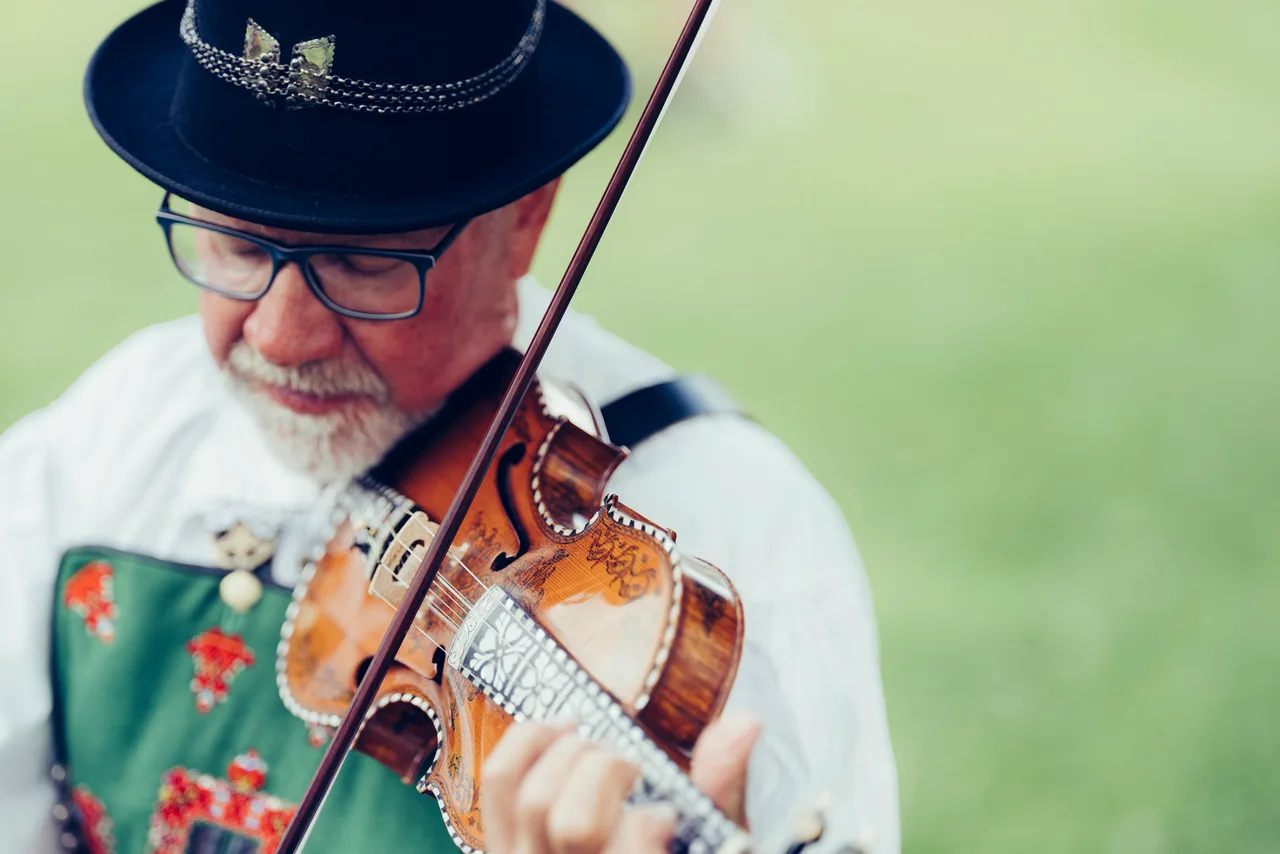
Steving is often taking place if there are no musicians present, though. The practice is both social and performative, often taking place in the breaks between dances or musical performances.
Those Setesdal Moves
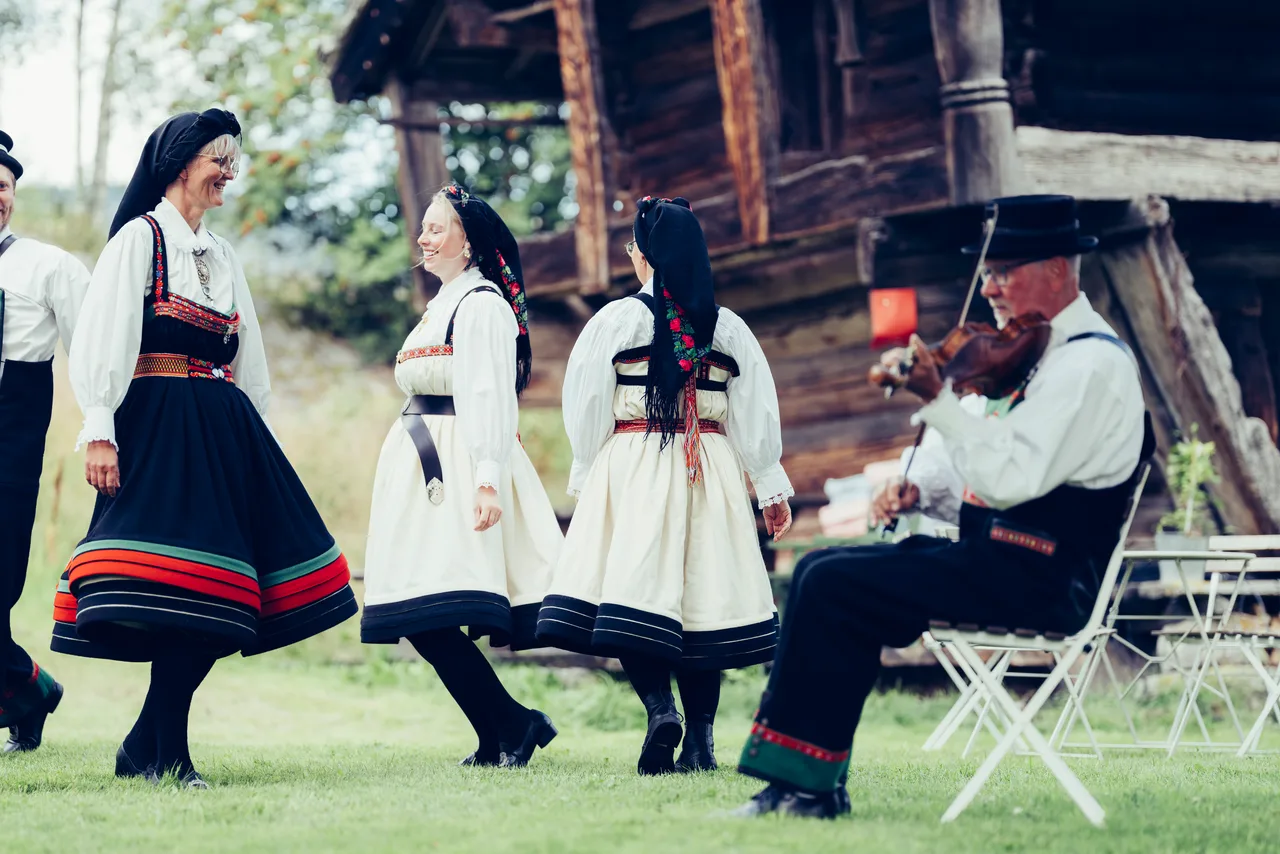
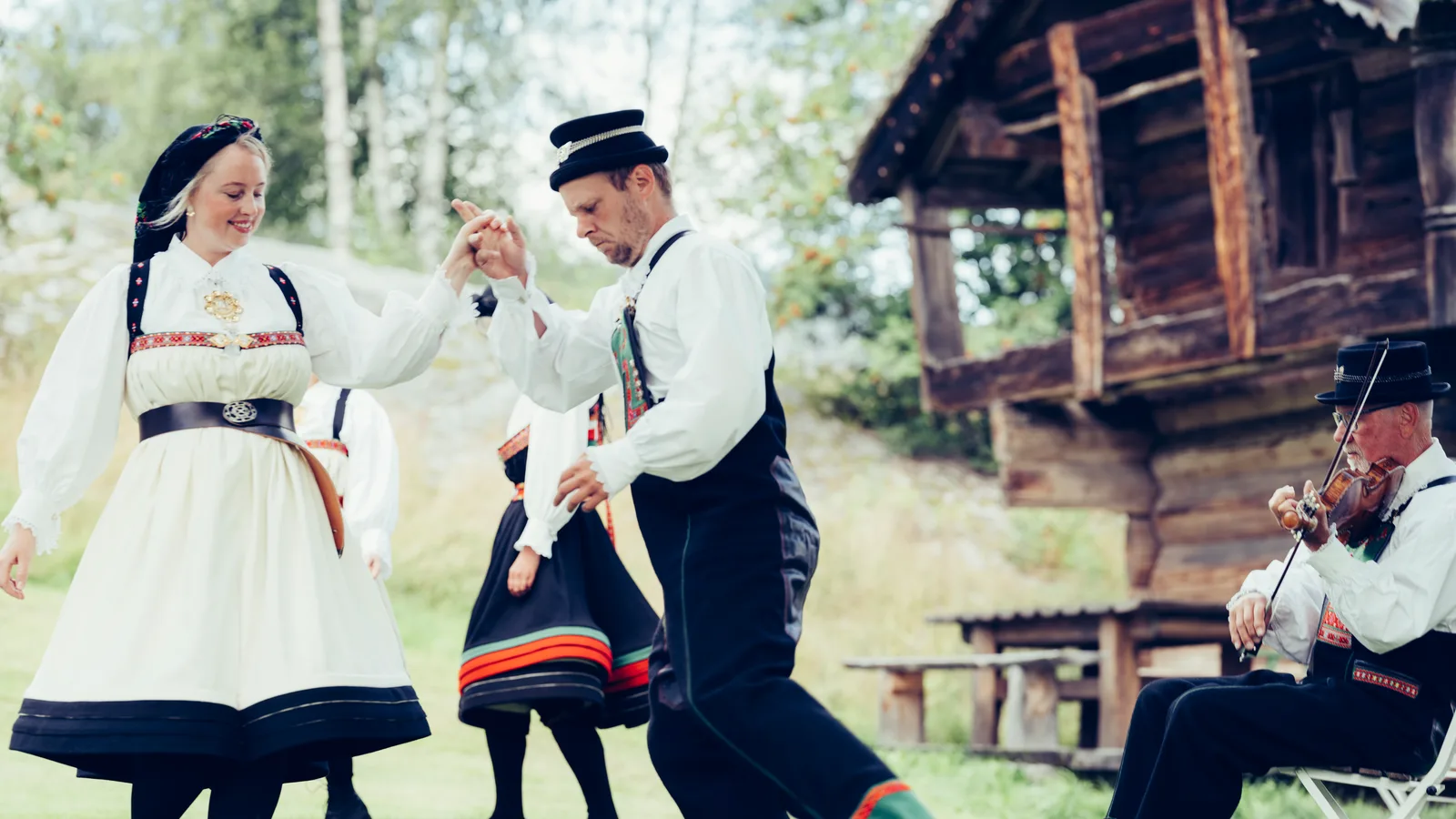
For some of the Setesdal dances, you have be real fit! Making them really cool to watch. The dances of Setesdal, particularly the Setesdalsgangar, are performed either in pairs or in larger circles of couples.
Styles range from the graceful and restrained greileik to the very much athletic sprekleik, which requires a kind of extraordinary stamina for its dramatic leaps and spins.
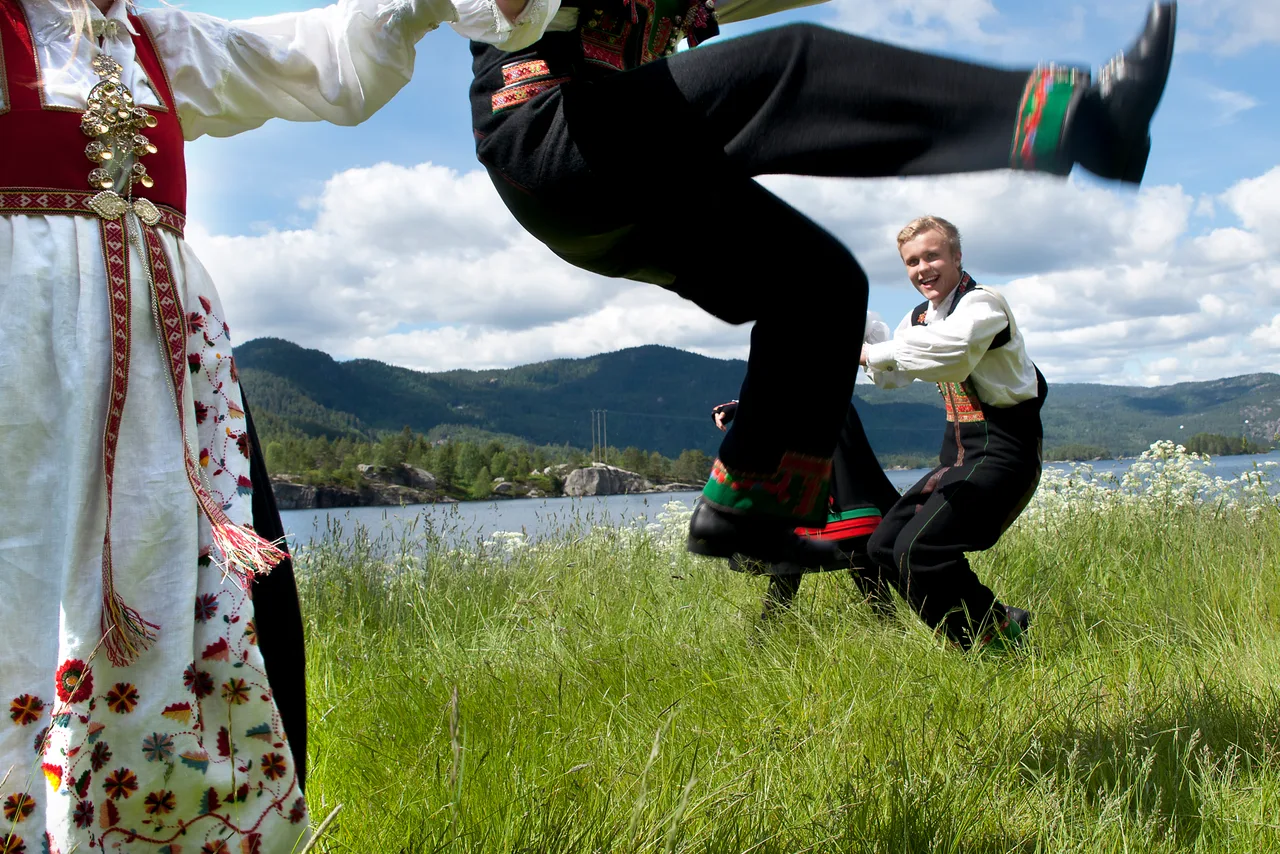
Together, music, dance, and song create a dynamic art form that is so valuable that it ended up with the UNESCO status.
The Soul of Setesdal
Setesdal's cultural heritage has a long history, dating back to at least the 18th century. The traditions were once at risk of fading but have been preserved through the dedication of local practitioners, including the Setesdal Spelemannslag. This group played a key role in gaining UNESCO recognition. Today, the culture remains a cornerstone of identity for the Setesdal community and a source of artistic inspiration for performers across Norway.
The preservation of these practices relies on oral transmission, with skills passed down through social gatherings, family traditions, and cultural education. Setesdal's music, dance, and song are performed not only in formal concerts but also in homes, community centers, and even local pubs, keeping the traditions alive and accessible.
With over 25 000 documented stev and around 40 different melodies, Setesdal's contribution to Norway's intangible cultural heritage is extremely important. The UNESCO status affirms the global significance of these traditions, making sure that the treasure tunes and dances will continue to inspire generations to come. Many young people in Setesdal today are into the local traditions, and several of them have ended up as famous artists in traditional music and dance.